Content Advisory

Content Advisory

This site addresses sensitive topics such as war crimes and contains numerous graphic images depicting injured or deceased individuals.

AA Kitap Logo
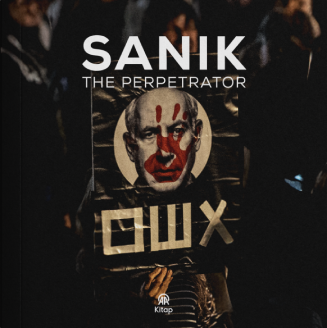
The Perpetrator: A Criminal Dossier of Genocide
Explore The Perpetrator, a comprehensive account presenting full evidence of the crimes committed by the Israeli government and their backers in the Gaza genocide.

Introduction

For more than two years, the Israeli army has carried out a full-scale genocide in Gaza. Despite its killing of hundreds of Palestinian journalists and exclusion of their international colleagues, and despite the overwhelming Western denial of the Israeli military’s atrocities, the world has seen what the Israeli government has done. Nearly seventy thousand bodies counted, more than a hundred thousand wounded, the thousands of child amputees, the starving babies, the suffering of two million people whose homes have been reduced to rubble, the targeted destruction of hospitals and the killing and abduction of doctors: all this and more we have witnessed, as the victims have used their phones and the images and stories have circulated on social media, and increasingly even through mainstream outlets too.

This extensively documented, thoroughly illustrated and legally referenced volume focuses on two crucial questions: who is responsible for these atrocities, and what crimes they have committed. The genocide has been the choice of the Israeli government, implemented by its military commanders and soldiers, and actively supported by many of the country’s Jewish population. This volume identifies the most prominent and culpable of these perpetrators. But it also reminds us that the leaders of Western governments who have enabled the Israeli government’s genocide, by arming and politically supporting it, are also perpetrators, as indeed are many editors and journalists who have, this book shows, actively promoted apologies for the crimes of the Israeli government.

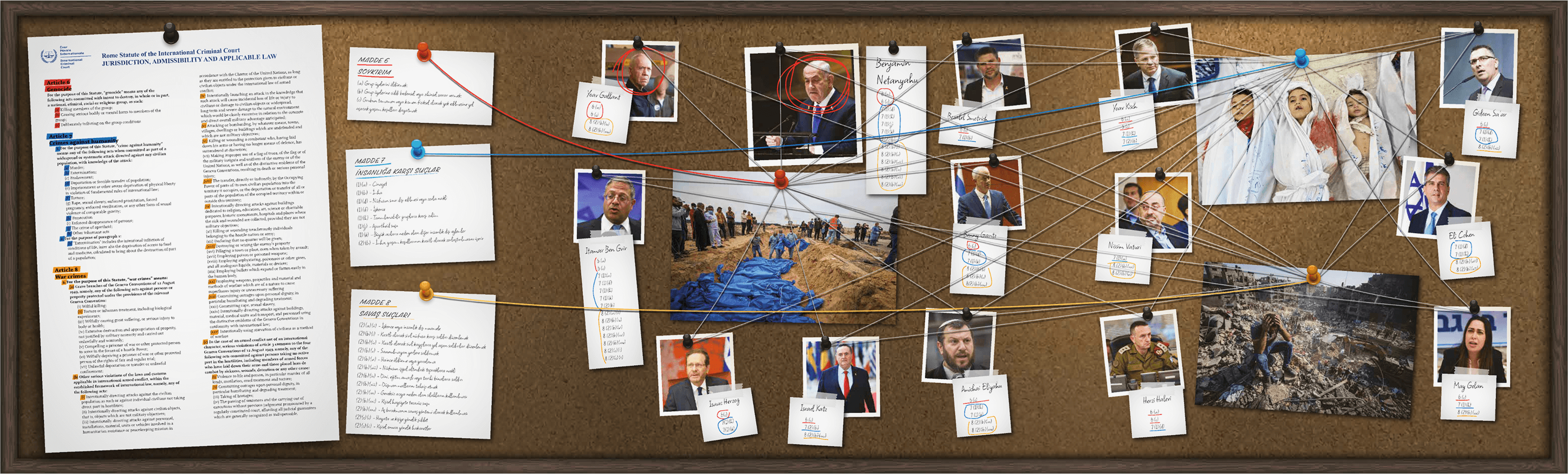
This book identifies the specific crimes that may have been committed by individual perpetrators under the Rome statute of the International Criminal Court (ICC). But as the ICC noted when issuing its warrants against Benjamin Netanyahu and Yoav Gallant, the many different infractions have been part of “a widespread and systematic attack on the civilian population of Gaza”. Therefore, the specific war crimes and crimes against humanity that are alleged can also be considered as components of the overarching crime of genocide, through the intent to destroy the Palestinian society in Gaza widely expressed in the statements of Israeli leaders that the editors present here. Although the ICC has not brought genocide charges against Israeli leaders, this is more likely to be because of the aggressive campaign against the Court by the United States, and the failure of other countries to actively defend it, than for a lack of evidence of genocide - which is everywhere in these pages. The International Court of Justice (ICJ) will eventually rule on this issue, in response to the case that South Africa has brought against Israel. But states have a duty to prevent genocide before the ICJ rules, and there is ample evidence here that action is urgently needed.

This book underlines the complicity of international leaders with the Israeli government’s genocide. But it is worth recalling that, under Article III of the Genocide Convention, there is an even more serious charge: conspiracy. The extent of the US involvement in directing the Israeli campaign, together with the active coordination of other states in supporting it, raises the question of whether their leaders’ responsibilities go beyond even complicity.

The Gaza genocide shames not only the people identified here, but the whole world. This volume is an important step towards accountability and deserves to be widely read.

Martin Shaw
Senior Research Professor at Institut Barcelona (IBEI) and Emeritus Professor of Sussex University

The Perpetrator: The Events in Gaza and the Necessity of Accountability

Prelude to Genocide

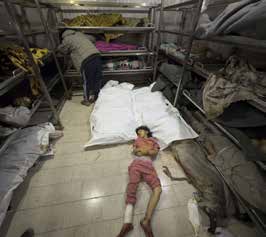
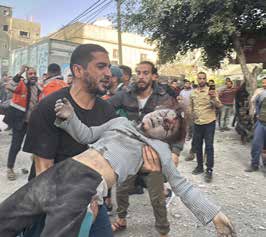
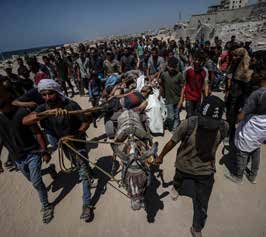
The harrowing images of death, destruction, and human suffering in Gaza since October 7 is a fitting tribute to the victims, witnesses, and experts that the Anadolu Ajansı has gathered in this volume, vividly memorializing these grim events. In the past two years, Israel’s relentless attacks have assaulted the moral sensibilities of persons of conscience throughout the world. In the process, it has illuminated the tragic experiences of the long-victimized 2.3 million Palestinian residents living together in the overcrowded, impoverished conditions of the Gaza Strip. A grotesque feature of these events comes with the awareness that more than 75% of the Gazan population were refugees since 1948 (or descendants of refugees) forced by Israeli militias to flee from their homes and villages in what became Israel in 1948. The collective trauma of this massive, forced expulsion of more than 700,000 Palestinians has been memorialized by Palestinians as ‘the Nakba,’ (translated as catastrophe), solemnly observed each year.

Unlike natural disasters such as earthquakes or hurricanes, the horrifying carnage in Gaza is a product of deliberate human design by the leaders of Israel. As such, these bloody attacks, carried out with the explicitly stated intentions of Israeli political leaders and military commanders, seemed to objective observers to be both vindictive and territorially rapacious. These individuals, who induced the government of Israel to these dark undertakings, are -without serious question- the most notorious perpetrators of the international crimes graphically depicted and commented upon throughout this volume. However, they rarely implement the policies they propose; these bloody tasks are delegated to nameless subordinates who remain unknown unless identified by journalists, photographers, and investigators as personally responsible for participating in documented atrocities.

The existential identification of perpetrators is not to be confused with legal, moral, and political modes of identification, each of which can be rationalized, making the subject-matter of perpetrators almost inevitably controversial and seem arbitrary. The range of criminality is considerable even if genocide is put to one side temporarily, although most genocide experts by now believe that the elements of this crime of crimes are sufficiently present, even if not in a definite form to justify treating illegally complicit enablers as perpetrators. As the Chief Prosecutor of the International Criminal Court (ICC), Karim Khan, emphasized in his Statement, recommending that the empowered judges of the ICC sub-chamber of judges issue arrest warrants for two Israeli leaders: Benjamin Netanyahu and the former Minister of Defense Yoav Gallant. The ICC Prosecutor of these high-profile perpetrators were accused of a series of international crimes, including Crimes Against Humanity, but not genocide. The statement of the Prosecutor set forth the following enumerated crimes as the basis of issuing arrest warrants for these two mentioned Israeli leaders on the ground that it is ‘reasonable’ to believe that the evidence available links their leadership to the following crimes:

‘Starvation of civilians as a method of warfare as a war crime contrary to article 8, 2-b (xxv) of the Statute;

Willfully causing great suffering, or serious injury to body or health contrary to article 8, 2-a (iii), or cruel treatment as a war crime contrary to article 8, 2-c (i);

Willful killing contrary to article 8, 2-a (i), or Murder as a war crime contrary to article 8, 2-c (i);

Intentionally directing attacks against a civilian population as a war crime contrary to articles 8, 2-b (i), or 8, 2-e (i);

Extermination and/or murder contrary to articles 7, 1-b and 7, 1-a, including in the context of deaths caused by starvation, as a crime against humanity;

Persecution as a crime against humanity contrary to article 7, 1-h;

Other inhumane acts as crimes against humanity contrary to article 7, 1-k.’

(References to Rome Statute that provides the legal framework within which the ICC works)

The relevant conclusion here is that even if it is granted that it is the plausibility of the genocide allegation that accounts for the intensity of controversy generated by Israel’s behavior in Gaza, there are also sufficient other serious international crimes present to identify perpetrators whose actions justify ICC arrest warrants. Even if the ICC itself refrain from issuing arrest warrants, the Prosecutor’s statement makes the case that these individuals have engaged in behavior that makes their identification as perpetrators appropriate. This is where the images of atrocity provide sufficient evidence, as reinforced by journalists, photographers, and documentary filmmakers who have witnessed and helped chronicle these incidents, to draw the central conclusion that Israel’s leaders (possibly among others) should be viewed as perpetrators. For instance, IDF snipers and their commanding officers that lethally target properly identified journalists are never punished, or even disciplined, for such acts of murder and their coverup.

There is a neglected subsidiary question. The ICC Prosecutor’s statement also recommended that arrest warrants be issued for three Hamas leaders for which there seemed to him ‘reasonable’ grounds for believing that they were responsible for planning the October 7 attack, which was widely reported as carried out in ways that resulted in war crimes and crimes against humanity. Were these Hamas leaders Perpetrators in the same sense as the Israeli leaders even if it is granted that what Hamas is alleged to have done on October 7 is consistent with independent accounts? In my judgement, it is a political and moral mistake to have merged the two sets of incriminating allegations. What makes reasonable the legal process against Israeli leaders is their genocidal language articulated at the outset of their response to the October 7 attack, the prolonged nature of their devastating attacks on civilian population and vital infrastructure of Gaza, and the growing suspicion that Israel was not primarily motivated by the announced goal of destroying Hamas but seized the occasion to expand the territorial sovereignty of Israel in ways that will incorporate occupied Palestine into sovereign Israel.

This analysis does not question the possible validity of arrest warrants issued for Hamas leaders for alleged crimes committed as part of the October 7 attacks, but it does recommend a prior international investigation to establish what actually happened and what extenuating circumstances might have existed. Most of all, it questions the equivalence implied by the merger of the two sets of allegations, viewing the genocidal context of the Israeli two-year-long assault as creating a distinctive call for accountability—one given far greater political weight when considering that Gaza is not a foreign state but land seized by Israel in the 1967 War and administered as Occupied Palestinian Territory ever since, supposedly within the framework of the Fourth Geneva Convention governing belligerent occupation.

Israel has continuously defied these legal constraints on its occupation over the course of 57 years, establishing a harsh and discriminatory regime of control that has been condemned in a series of independent reports by respected international human rights organizations (including Human Rights Watch and Amnesty International, as well as Israel’s own B’Tselem) as constituting the international crime of apartheid. Additionally, Israel has been widely characterized by a group of UN Human Rights Council Special Rapporteurs—who are independent human rights experts—as a post-colonial example of ‘settler colonialism.’ The most relevant and convincing rationale for this delegitimizing status is the array of official and informal Israeli efforts to make Palestinians feel like persecuted strangers in their own homeland. This has left Palestinians with a stark choice: submit to Israel’s apartheid rule or seek refuge in a neighboring country, holding onto the dream of exercising their internationally recognized right of return.

Under these circumstances, the Hamas attack should be treated as a justifiable form of the right of resistance that immunizes armed struggle by an oppressed people from legal accountability. Hamas would still be accountable for international crimes if such allegations are professionally documented by impartial evidence and verified by an internationally appointed investigative commission. If such a process takes place, it might then become acceptable to recommend arrest warrants not only for Israeli leaders—for their roles in inciting violent resistance—but also for Hamas leaders for authorizing and committing prohibited acts of resistance, including hostage-taking.

Considering these events from the viewpoint of ICC practice toward perpetrators, it seems convincing to conclude that October 7 should have received entirely separate treatment from the Israeli assault that followed, with both Israeli and Hamas leaders potentially subject to arrest warrants. The retaliatory assault initiated by Israel on October 8-9 should focus on whether Israeli leaders are identifiable perpetrators to be held accountable, given their own expressions of dehumanizing and extremist intentions and the ongoing, unprecedented devastation of all aspects of Palestinian viability in Gaza—a destruction that poses a mounting threat to the collective and individual survival of all Gazans. Possessing such evidence, there is no acceptable excuse for delaying a maximum effort to proceed coercively—through legal and political means—to discredit and hold accountable Israeli perpetrators. Such legal action need not await an ICJ decision on genocide, however important that decision may be for the development of international law.

It should be noted that U.S. President Joe Biden was outraged by the ICC’s treatment of Israel’s retaliatory violence as equivalent to the terrorist attack by Hamas. This reaction reverses the pictorial narrative that emerges from a perusal of this volume, which leaves the reader with the strong impression that it is Israel’s crimes that have been principally responsible for the human suffering and the genocidal intensification of political violence. This context highlights the error of the ICC Prosecutor in placing the allegations against Hamas on the same level as those against Israel and its complicit aiders and abettors.

The Relevance of Complicity

There are perpetrators beyond the three identified in the still unresolved ICC drama prompted by the proposed arrest warrants for Israeli leaders. Other sovereign governments have facilitated Israel’s actions by providing indispensable material and symbolic support. Many government officials outside of Israel—as well as certain international institutions, such as the European Commission—knowingly and openly offered complicit support to Israel over the past two years, despite having access to incriminating evidence and numerous witnesses, including journalists on the ground in Gaza. This should have provided full awareness of the criminal—and quite possibly genocidal—character of the Gaza assault. Such individuals are certainly Perpetrators in the realistic sense of engaging in actions that contribute to the commission of international crimes.

The identification of Israel’s leaders as primary Perpetrators cannot be disconnected from these secondary Perpetrators whose complicity by way of aiding and abetting facilitates the underlying pattern of criminality. It can be said from the outlook of street protests, there is no doubt that a strong consensus of activists and civil society experts regard the political leaders of the US, Germany, France, and the UK as Perpetrators of genocide from political and moral perspectives with more doubts surrounding whether such individuals should be treated as legal Perpetrators.

The identification of Israel’s leaders as primary perpetrators cannot be disconnected from these secondary perpetrators, whose complicity—through aiding and abetting—facilitates the underlying pattern of criminality. From the perspective of street protests, there is little doubt that a strong consensus among activists and civil society experts regards the political leaders of the U.S., Germany, France, and the UK as perpetrators of genocide in political and moral terms, though it is doubtful whether these individuals should also be treated as legal perpetrators.

The symbolic capstone of U.S. complicity in the crimes against the Palestinian people was the formal invitation and institutional welcome extended to Benjamin Netanyahu during a celebratory event in Washington on July 24, 2024, highlighted by an invited speech delivered to a joint session of the U.S. Congress, honoring the Prime Minister of Israel—depicted in this volume as the prime Perpetrator. Should the leaders of the two Congressional chambers who issued the invitation not also be treated as perpetrators, despite their distance from the direct implementation of Israel’s criminal policies?

At the same time, the motivation to hold individuals internationally accountable for crimes associated with governments and intergovernmental actors appears predominantly symbolic—aimed at encouraging the repudiation of certain patterns of behavior—and only secondarily focused on punishing individuals for their wrongdoing. The Nuremberg and Tokyo War Crimes Trials after World War II chose to limit the accountability of perpetrators to surviving political and military leaders over whom they had custody, and in secondary prosecutions targeting those substantively engaged in wrongdoing, rather than those who merely framed or implemented broad policy directives. In essence, ideological supporters of German racism or Japanese imperial policies were not formally treated as perpetrators. The practical justification for limiting accountability in this way was to avoid criminalizing the entire nation of Germany or Japan—an outcome the victors believed would complicate the transition from war to peace. Such reasoning supports the argument for placing strong limits on the legal identification of perpetrators.

A Concluding Remark

It is my hope that the publication of this volume of chilling images of atrocity and suffering will strengthen the struggle of the residents of Occupied Palestine to survive and, at the very least, exercise their right of self-determination. I also hope that such imagery will help people everywhere make use of this compelling evidence to identify and discredit the perpetrators of Israel’s integrated criminal assault, without being distracted by individual atrocity incidents—however horrifying they may be—or by false narratives of self-defense and security.

It is equally important to grasp the genocidal context of Israel’s response, even in the absence of a formal legal finding to that effect. Political and moral perceptions—shaping the most reliable public discourse—reached this conclusion months ago. When the International Court of Justice (ICJ) eventually delivers its ruling on whether the crime of genocide is attributable to Israel, it will shape how legal proceedings move forward against individuals confirmed as perpetrators. Given the urgency and magnitude of the humanitarian catastrophe in Gaza, there is every reason not to wait for the slow processes of the ICJ. We already possess the evidence needed for a responsible campaign against both primary and secondary perpetrators, and to support the expectation that they will not be replaced by individuals who continue to endorse Israel’s policies of the past two years. We should also remember that the Genocide Convention is concerned not only with punishment but with prevention and the prohibition of incitement to commit genocide—a responsibility that extends beyond governments and the UN to people the world over.

Prof. Richard Falk
Former UN Special Rapporteur on Human Rights in Occupied Palestine

Chapter One

The Architects and Implementers of Genocide
This section, which scrutinizes the decision-makers and implementers behind Israel’s genocide in Gaza, presents a detailed profile of the current Israeli government— the latest link in a 75-year history of criminality. It documents the individual responsibility and decision-making roles of each official in the Netanyahu cabinet, while also addressing the systematic violence and legal dimensions of settler colonialism. Supported by infographics, timelines, and comprehensive crime maps, the analysis exposes the planned and systematic nature of the genocide.
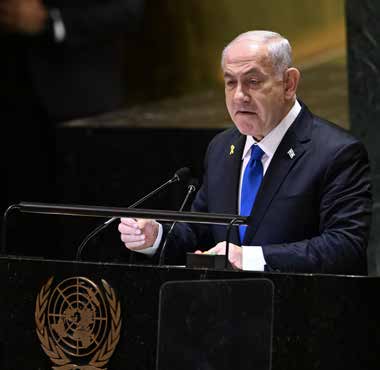
Benjamin Netanyahu
Benjamin Netanyahu
Prime Minister of Israel
Yoav Gallant
Yoav Gallant
Former Israeli Defense Minister
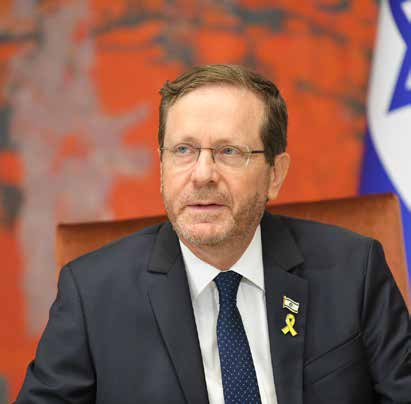
Isaac Herzog
Isaac Herzog
President of Israel
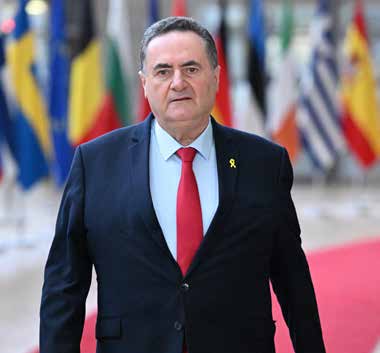
Israel Katz
Israel Katz
Minister for Defence
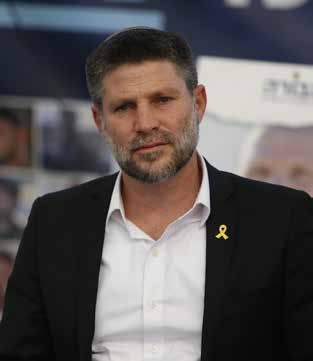
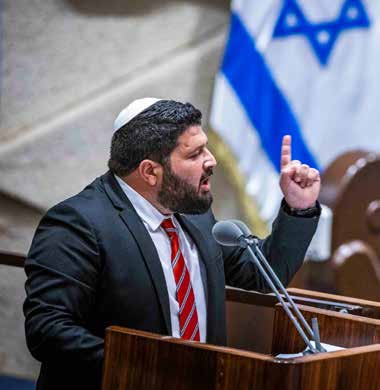
Bezalel Smotrich
Bezalel Smotrich
Minister of Finance of Israel
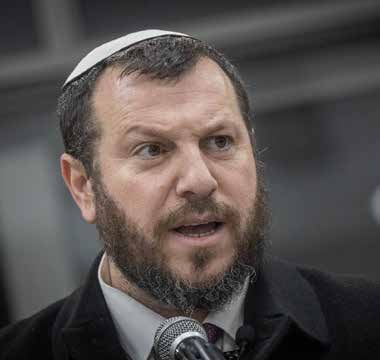
Amichay Eliyahu
Amichay Eliyahu
Israeli Minister of Cultural Heritage
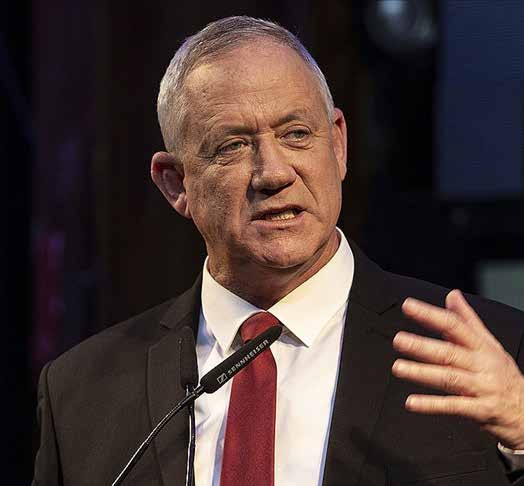
Benny Gantz
Benny Gantz
Former Israeli Minister without Portfolio, Former Israel’s War Cabinet Member
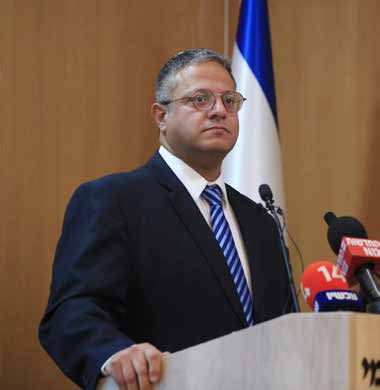
Itamar Ben-Gvir
Itamar Ben-Gvir
Israeli National Security Minister
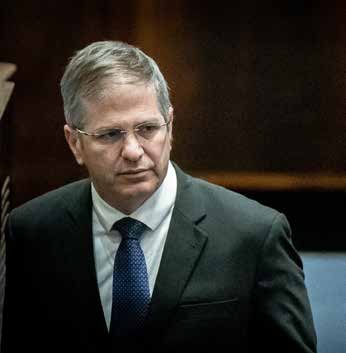
Yoav Kisch
Yoav Kisch
Israeli Minister of Education
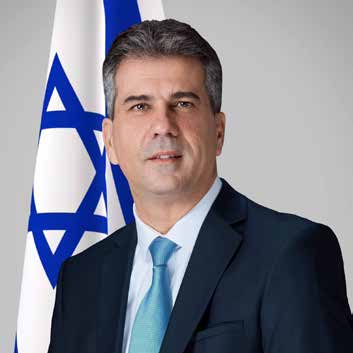
Eli Cohen
Eli Cohen
Israeli Minister of Energy and Infrastructure
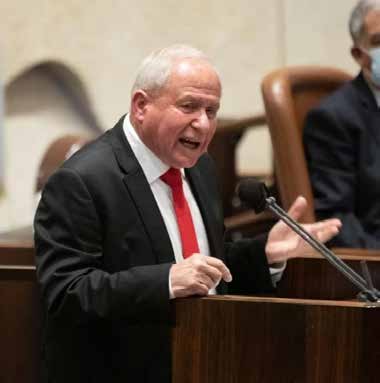
Avi Dichter
Avi Dichter
Israeli Minister of Agriculture
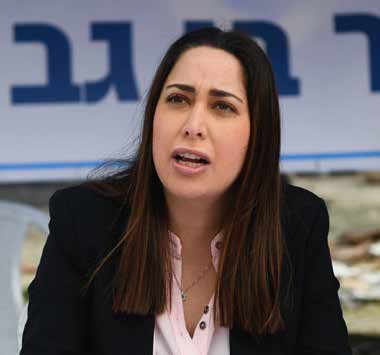
May Golan
May Golan
Israeli Minister of Social Equality and the Advancement of the Status of Women
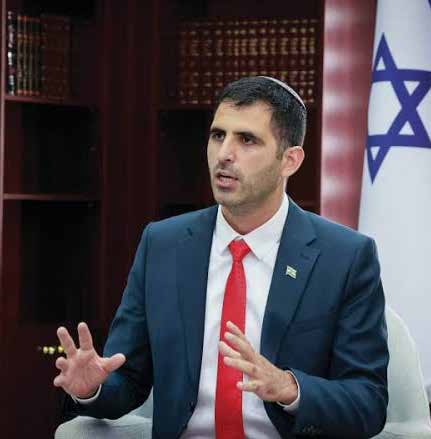
Shlomo Karhi
Shlomo Karhi
Israeli Minister of Communications
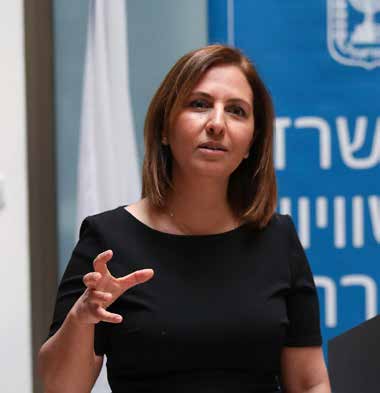
Gila Gamliel
Gila Gamliel
Israeli Minister of Intelligence / Science and Technology
Almog Cohen
Almog Cohen
Far-right Israeli Otzma Yehudit (Jewish Power) Party Member of Knesset
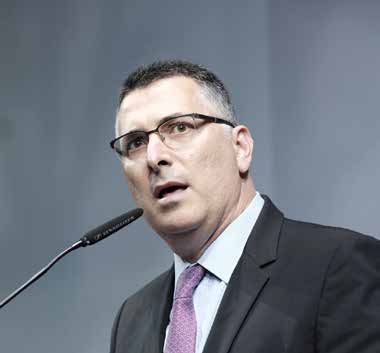
Gideon Sa’ar
Gideon Sa’ar
Israeli Foreign Minister
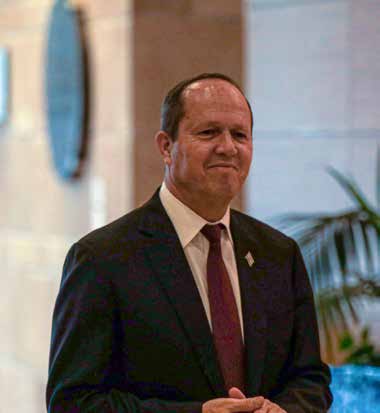
Nir Barkat
Nir Barkat
Israeli Minister for Economy and Industry
Nissim Vaturi
Nissim Vaturi
Deputy Speaker of the Israeli Parliament - Likud
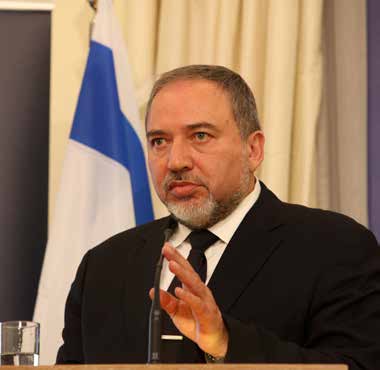
Avigdor Lieberman
Avigdor Lieberman
Former Israeli Defense Minister and Chairman of the Yisrael Beytenu Party
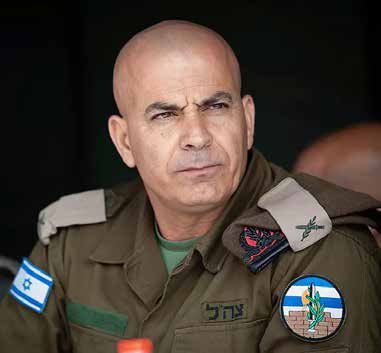
Ghassan Alian
Ghassan Alian
Coordinator of Government Activities in the Occupied Territories (COGAT)
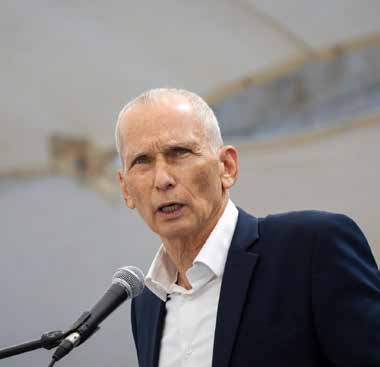
Omer Bar-Lev
Omer Bar-Lev
Former Israeli Minister of National Security
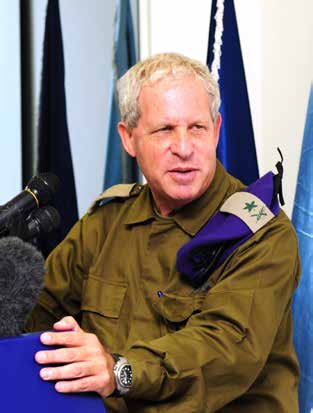
Giora Eiland
Giora Eiland
Former Head of the Israeli National Security Council
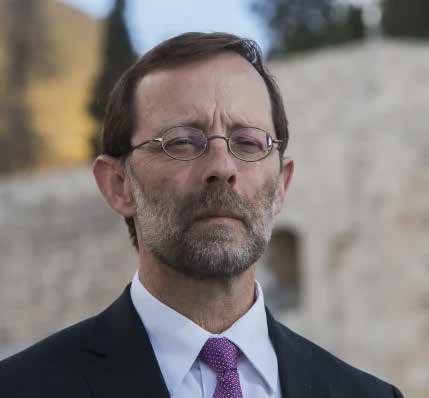
Moshe Feiglin
Moshe Feiglin
Leader of the Zehut Party
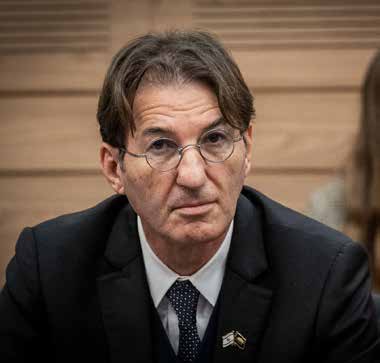
Boaz Bismuth
Boaz Bismuth
Member of the Israeli Parliament - Likud
Ariel Kallner
Ariel Kallner
Member of the Israeli Parliament - Likud
Revital Gotliv
Revital Gotliv
Member of the Israeli Parliament - Likud
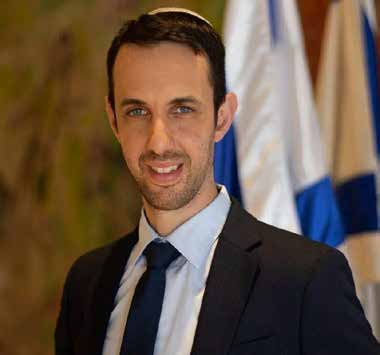
Amit Halevi
Amit Halevi
Member of the Israeli Parliament - Likud
Galit Distel Atbaryan
Former Israeli Minister of Information Member of the Israeli Parliament - Likud
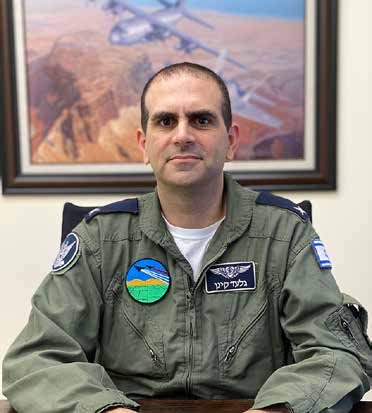
Gilad Keinan
Gilad Keinan
Head of Israeli Air Force Air Operations, Brigadier General
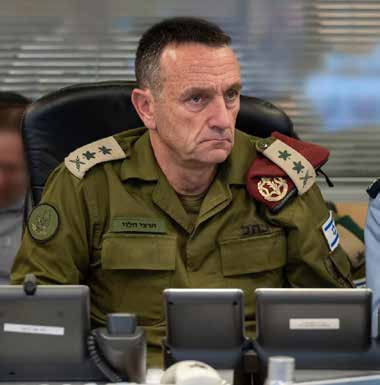
Herzi Halevi
Herzi Halevi
Former Chief of Staff of Israel
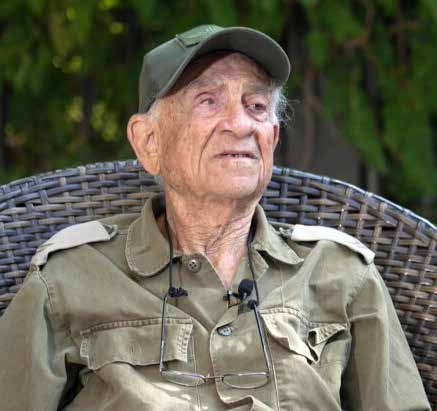
Ezra Yachin
Ezra Yachin
95-year-old Israeli army reservist and veteran of the Deir Yasin massacre during the 1948 Nakba
Galit Raguan
Galit Raguan
Israel’s Counsel at the International Court of Justice
Article

Chapter Two

Global Complicity in Genocide: Arms, Capital and Diplomatic Shielding
This section demonstrates that the genocide in Gaza is not an act Israel could have carried out alone. It examines the role of global partners under two main headings.
The first part provides a detailed analysis of the military and financial support extended to Israel. It explores the scope of military and economic aid—primarily from the United States and other Western countries—along with the roles of corporations and the financial mechanisms involved.
The second part focuses on the diplomatic dimension of this support. It uncovers the political shielding of the genocide, covering a wide spectrum that includes the influence of lobbying groups like AIPAC on U.S. politics, the broader pro-Israel stance of the Western world, and obstruction mechanisms within international organizations.
Joint Statement of Western Leaders for Unequivocal Support for Israel

Our countries will support Israel in its efforts to defend itself and its people against such atrocities. We further emphasize that this is not a moment for any party hostile to Israel to exploit these attacks to seek advantage.

Joseph R. Biden
Joseph R. Biden
Former President of the United States
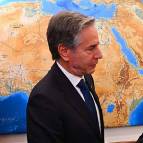
Antony J. Blinken
Antony J. Blinken
Former Secretary of State of the US
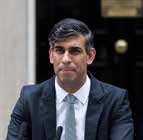
Rishi Sunak
Rishi Sunak
Former Prime Minister of United Kingdom
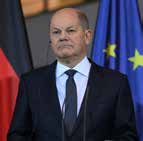
Olaf Scholz
Olaf Scholz
Former Chancellor of Germany
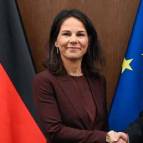
Annalena Baerbock
Annalena Baerbock
Former German Foreign Minister
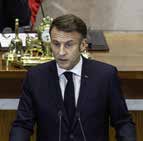
Emmanuel Macron
Emmanuel Macron
President of France
Georgia Meloni
Georgia Meloni
Prime Minister of Italy
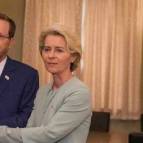
Ursula von der Leyen
President of the European Commission
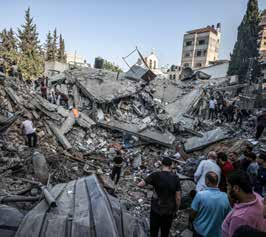
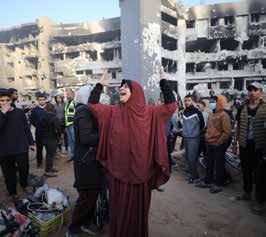
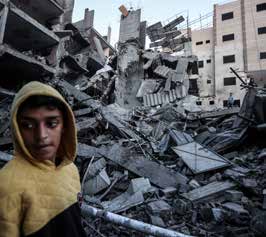
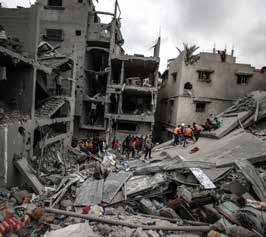
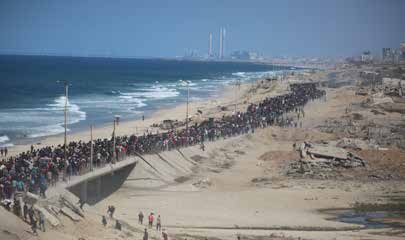
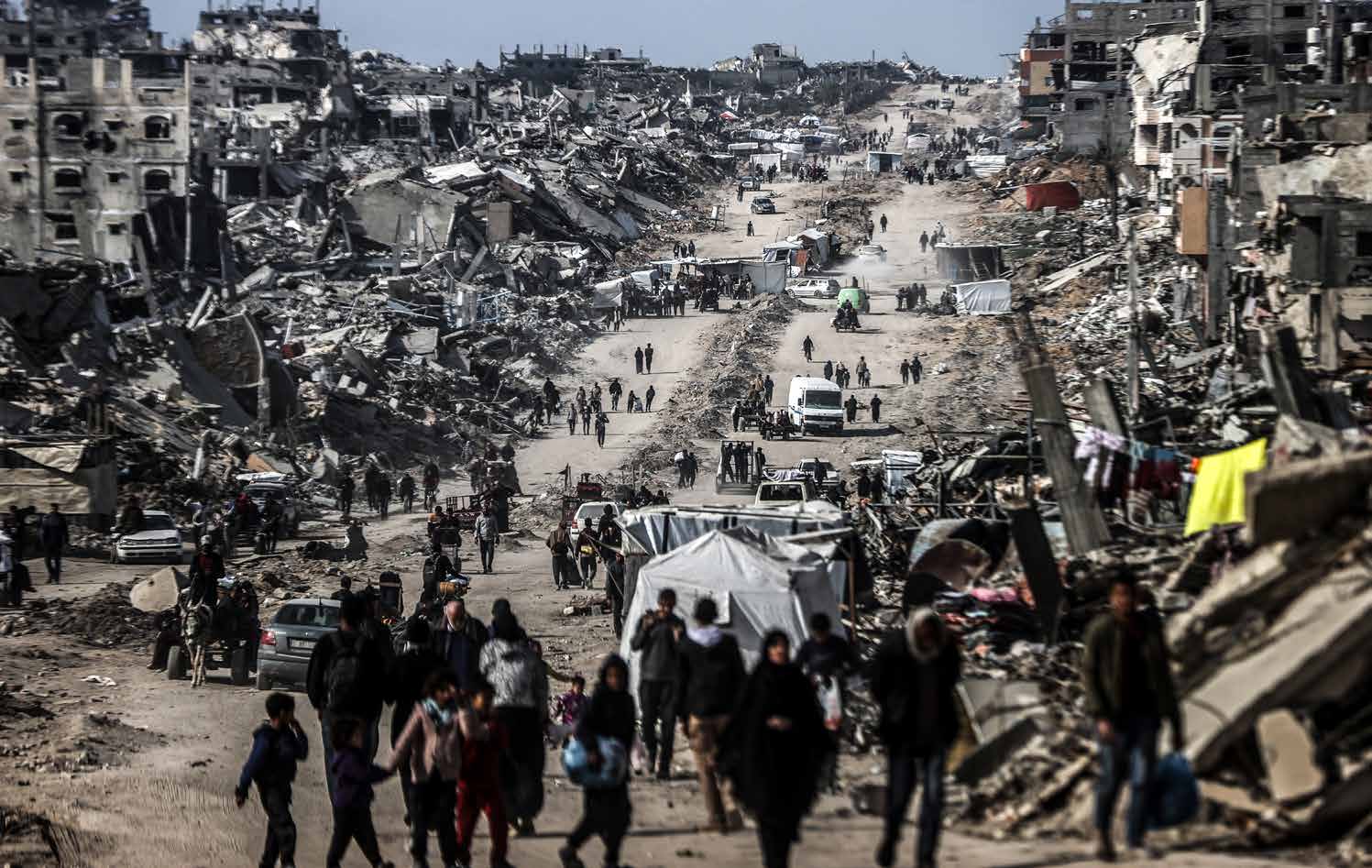
Amid widespread destruction and the near-total collapse of infrastructure in Gaza City and northern parts of the Gaza Strip, Palestinians are struggling to survive among the ruins. In its assaults on Gaza, Israel has deliberately targeted not only residential buildings but also United Nations facilities sheltering civilians, as well as schools, hospitals, mosques, churches, and numerous historical sites. Despite the devastation caused by Israeli attacks, displaced Palestinians continue to return from the south to their homes in the north.
February 3, 2025, Gaza-Palestine (AA - Ali Jadallah)
Amid widespread destruction and the near-total collapse of infrastructure in Gaza City and northern parts of the Gaza Strip, Palestinians are struggling to survive among the ruins. In its assaults on Gaza, Israel has deliberately targeted not only residential buildings but also United Nations facilities sheltering civilians, as well as schools, hospitals, mosques, churches, and numerous historical sites. Despite the devastation caused by Israeli attacks, displaced Palestinians continue to return from the south to their homes in the north.
Articles

Chapter Three

The Cultural Front of Genocide: The Silence of Academia, Media, and The Arts
The perpetuation of genocide depends not only on those who actively support it but also on those who remain silent. This section explores how silence and inaction across three critical spheres have contributed to complicity. First, it examines the pressures and forms of resistance within academia, focusing on how expressions of solidarity with Palestine have been suppressed on university campuses and how the boundaries of academic freedom have been tested. Second, it analyzes the pro-Israel editorial policies of mainstream media, the use of disinformation tactics, and the functioning of censorship mechanisms. Finally, it investigates the silence, complicity, and divisions within the world of culture and the arts, assessing how the artistic community has responded —or failed to respond— to this profound human tragedy.
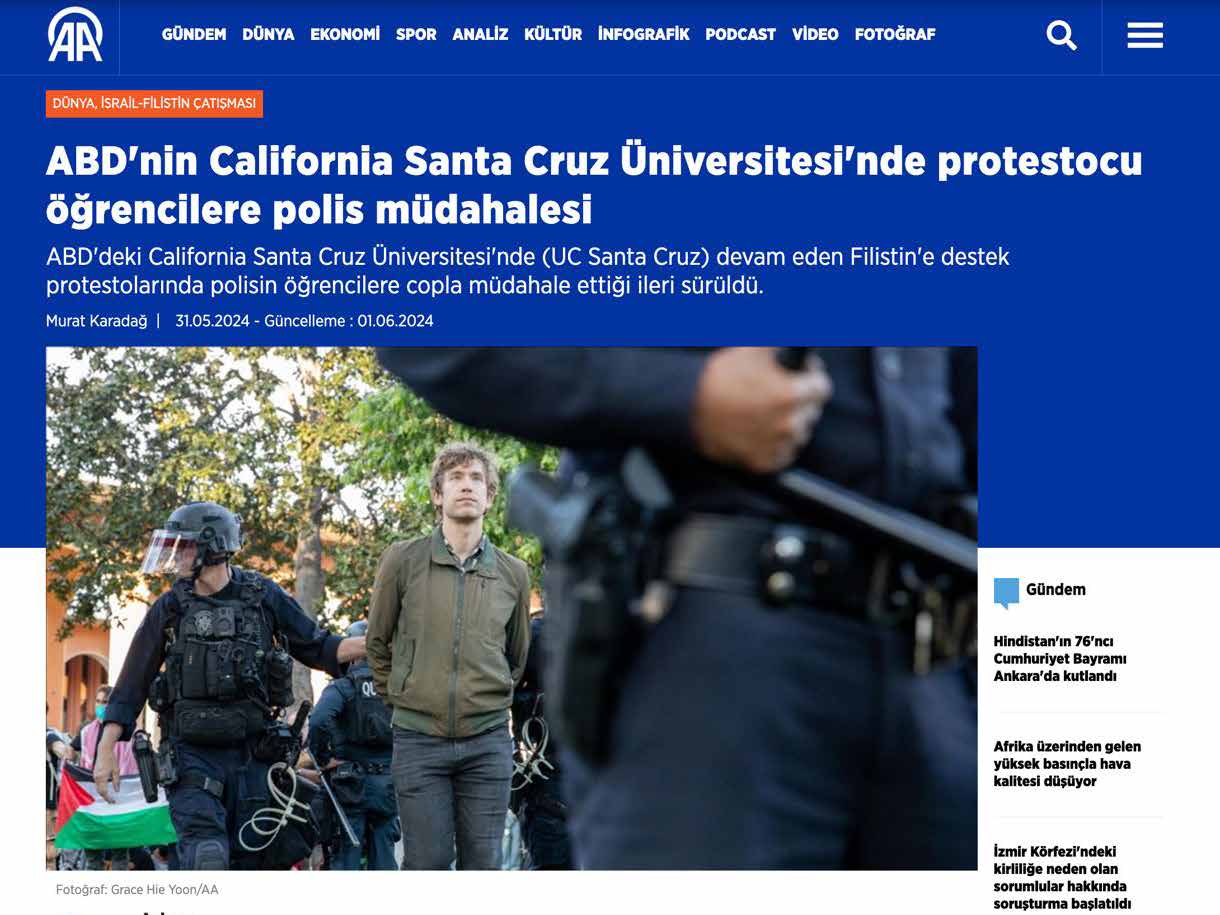
In its article titled “Campus Protests Give Russia, China and Iran Fuel to Exploit U.S. Divide,” The New York Times frames pro-Palestine demonstrations as an internal threat being exploited by foreign powers.
Articles
frame

The Israeli Military’s Systematic Attacks Since October 2023

Between October 2023 and January 2026

The toll of Israel's attacks on Gaza

Palestinians were killed by the Israeli army in Gaza

Palestinians were killed by the Israeli army in Gaza

people missing

people missing

people injured

people injured

460 Palestinians, 154 of them children, died of starvation

460 Palestinians, 154 of them children, died of starvation

In Gaza, 1015 infants under he age of one have died, including 311 who were born after October 7 and lost their lives shortly thereafter.

In Gaza, 1015 infants under he age of one have died, including 311 who were born after October 7 and lost their lives shortly thereafter.

children with one or both parents killed

children with one or both parents killed

children killed

children killed

women killed

women killed

people displaced

people displaced

55%
of victims are children and women
medical workers killed

medical workers killed

civil defense workers killed

civil defense workers killed

journalists killed

journalists killed

cases of arrest of healthcare personnel

cases of arrest of healthcare personnel

journalists detained or arrested

journalists detained or arrested

The Israeli Military’s Systematic Attacks
17.10.2023
Al-Ahli Baptist massacre
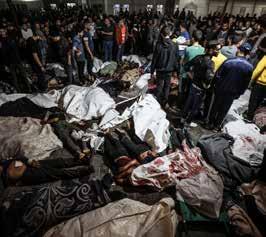
On October 17, 2023, Israel bombed the courtyard of Al-Ahli Baptist Hospital in Gaza City, killing over 500 Palestinians, most of whom were women and children. At the time, Israeli Prime Minister Benjamin Netanyahu claimed that Palestinian groups were responsible for the hospital explosion.
20.10.2023
Saint Porphyrius Church massacre
On October 20, 2023, an Israeli military strike targeted the Saint Porphyrius Greek Orthodox Church in Gaza, killing 20 people, including 18 Christian Palestinians. The church, originally built in 425 AD, had provided shelter to hundreds of displaced Christians and Muslims fleeing Israeli attacks.
31.10.2023
Jabalia massacre
Jabalia massacre
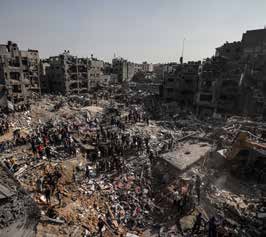
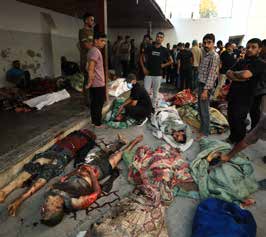
On October 31, 2023, Israeli warplanes targeted a densely populated area of the Jabalia Refugee Camp in northern Gaza, killing and injuring around 1,000 Palestinians, the majority of them women and children.
18.11.2023
Al-Fakhoura School massacre
On November 18, 2023, the Israeli army bombed Al-Fakhoura School in the Jabalia Refugee Camp in northern Gaza. The school, run by the United Nations Relief and Works Agency for Palestine Refugees in the Near East (UNRWA), was sheltering large numbers of displaced people. More than 200 people were killed in the attack.
29.02.2024
Nablus Intersection massacre
On February 29, 2024, the Israeli military targeted Palestinians waiting for humanitarian aid at the Nablus Intersection on Rashid Street, which connects northern and southern Gaza. The attack, involving both bombings and gunfire, killed 118 people and injured 760 others. The massacre, also referred to as the “Flour Massacre,” drew widespread condemnation.
08.03 - 01.04.2024
Shifa Hospital massacre
Between March 8 and April 1, 2024, Israeli forces besieged Shifa Hospital in Gaza City for two weeks. During this period, 400 Palestinians were killed in and around the hospital complex. After the Israeli withdrawal, three mass graves were discovered within the hospital grounds.
26.05.2024
Rafah massacre (tent fires)
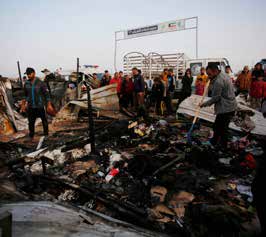
On May 26, 2024, despite an International Court of Justice (ICJ) ruling ordering Israel to halt attacks, the Israeli military struck tents sheltering displaced Palestinians in the city of Rafah in the Gaza Strip. The attack killed 45 Palestinians..
08.06.2024
Nuseirat Refugee Camp massacre
On June 8, 2024, in the Nuseirat Refugee Camp in Deir al-Balah, Israeli forces carried out a deadly operation. Disguised as Palestinians and using two civilian vehicles, Israeli soldiers launched an assault that, while reportedly rescuing four Israeli hostages, resulted in the deaths of 274 Palestinians—including 64 children and 57 women. An additional 698 people were injured, including 153 children and 161 women.
13.07.2024
Mevasi katliamları
Mevasi katliamları
On July 13, 2024, the Israeli military launched a horrific attack on the Al-Mawasi area of Khan Younis in the Gaza Strip, which had previously been declared a “safe zone” for displaced Palestinians. At least 90 people—mostly women and children—were killed, and 300 others were injured. In a second assault on Al-Mawasi on September 10, 2024, 40 Palestinians were killed and 60 wounded.
10.08.2024
Al-Tabaeen School massacre
On August 10, 2024, Israeli warplanes carried out another major massacre, targeting Al-Tabaeen School in Gaza’s eastern Daraj neighborhood. The school, where thousands of displaced civilians had taken shelter, was struck during the morning prayer, killing at least 100 people, including many women and children, and injuring dozens more.
27.09.2024
Israel’s attacks on Lebanon
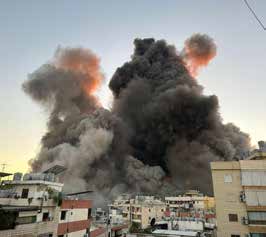
Since October 8, 2023, Israel has carried out numerous attacks on Lebanon. As a result, 4,037 people have been killed—including 1,106 women and children, and 222 healthcare workers—while 16,638 others have been injured, and approximately 1.9 million displaced (including 624,000 who fled to Syria). Although a ceasefire was declared on November 27, it has been repeatedly violated by Israel, with 14 additional Lebanese casualties reported. During this period, Hezbollah leader Hassan Nasrallah was also killed in an attack in Beirut on September 27.
10.2024
Nuseirat Camp attack
In December 2024, the Israeli military launched a new ground operation against the Nuseirat Refugee Camp in central Gaza. The assault, carried out with 17 vehicles and a large number of soldiers, resulted in the death or injury of over 50 civilians, most of them women and children. At least 20 buildings were completely destroyed. This marked the fifth Israeli attack on the camp’s Al-Jadid area since October 7, 2023. More than 100 Palestinians have been killed in attacks on this part of the camp alone.
08.12.2024
Israel’s attacks and occupation of Syria
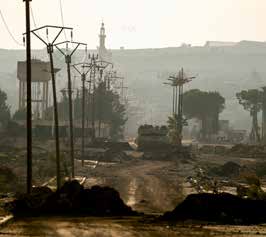
Following intensified clashes in Syria after November 27, Israeli attacks surged alongside the collapse of the 61-year-old Ba’ath regime on December 8. The Israeli army began destroying the remnants of the regime’s military infrastructure and expanded its occupation in the Golan Heights, which began in 1967. Israeli forces entered the buffer zone defined by the 1974 Disengagement Agreement and advanced as far as 25 kilometers from the Syrian capital, Damascus.
20.01.2025
Airstrikes on Jenin
Airstrikes on Jenin
Despite a ceasefire declared in Gaza on January 20, 2025, Israeli forces have continued their operations in Jenin, in the West Bank. Since October 7, 2023, Israeli violence has steadily escalated in the West Bank and East Jerusalem. During this period, 860 Palestinians have been killed, and over 14,300 have been detained in raids. Most recently, 20 more individuals—including two women and several former detainees—were arrested during operations in Nablus, Hebron, Qalqilya, and Ramallah.
21.01.2025
Attacks on Tulkarm in Northern West Bank
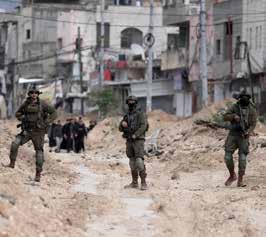
Following the Gaza ceasefire on January 19, Israel escalated its military operations in the West Bank. A total of 898 checkpoints were established in the region. On January 21, attacks that began in Jenin spread to Tubas and Tulkarm. In Jenin, 20,000 people were displaced, and 25 people—including a 2-yearold child—were killed. In Tulkarm, an 11-year-old child and a woman eight months pregnant were among the dead. Since the beginning of 2025, 75 Palestinians, including 11 children, have been killed in the West Bank.
18.03.2025
Israel’s ceasefire-breaking attacks
Despite the ceasefire that came into effect in Gaza on January 19, 2025, the Israeli army resumed heavy assaults on the morning of March 18. In the first three months following the renewed attacks, 1,652 Palestinians— mostly the elderly, women, and children—were killed, and 4,391 were injured.
23.03.2025
Killing of medical and civil defense personnel
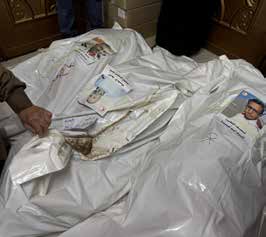
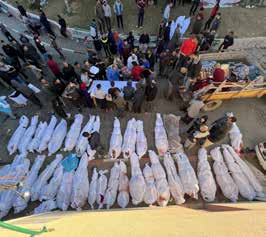
On March 23, 2025, the bodies of 15 medical, emergency, and civil defense workers—including a staff member from a United Nations agency—were recovered from a mass grave in Gaza on the first day of Eid al-Fitr. The victims were found still wearing their uniforms and gloves. Among the dead were 8 members of the Palestinian Red Crescent, 6 from the Palestinian Civil Defense, and 1 UN employee.
03.04.2025
Dar Al-Arqam School massacre
On April 3, 2025, Israeli warplanes launched an airstrike on Dar Al-Arqam School in Gaza, where displaced Palestinians had taken shelter. The attack killed 31 Palestinians, including several children.
09.04.2025
Shuja’iyya massacre
Shuja’iyya massacre
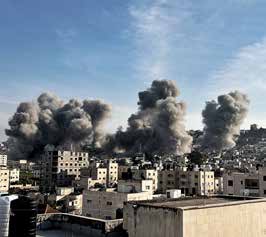
On April 9, 2025, Israeli warplanes bombed a residential area along Baghdad Street in the Shuja’iyya neighborhood in eastern Gaza City using high-impact explosives. The strike completely destroyed 10 homes, killing more than 35 Palestinians and injuring over 85 others. Most of the victims were children, women, and the elderly, and many people remained trapped under the rubble.
27.05-06.10.2025
Attacks at aid distribution points
Footage from distribution points controlled by the U.S.-backed, Israeli-supported “Gaza Humanitarian Foundation” (GHF) showed random gunfire targeting Palestinians seeking aid. Between May 27 and October 6, 2025, systematic attacks at these so-called aid distribution points killed 2,610 people and injured 19,143. The UN High Commissioner for Human Rights announced that Israeli forces killed at least 410 Palestinians attempting to obtain supplies from GHF points.
13-25.06.2025
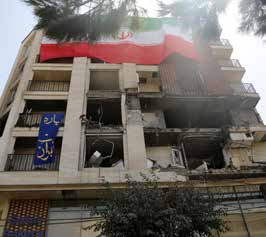
Israel-Iran conflict
In the 12-day conflict initiated by Israel against Iran on June 13, with subsequent U.S. involvement, 627 people were killed and at least 4,870 were injured, according to Iran’s Ministry of Health. Israeli forces targeted and killed at least 25 senior Iranian commanders and 11 scientists.
11.08.2025
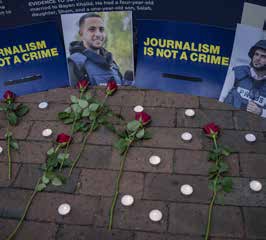
Attack on journalists’ tent
The Israeli army attacked a tent housing journalists near Al-Shifa Hospital in Gaza City, killing 6 journalists, including 2 Al Jazeera correspondents. Since October 7, 2023, the number of journalists killed by Israel in Gaza has reached 238.
15.08.2025
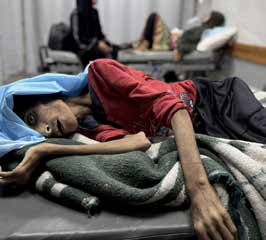
Starvation as a weapon
The Integrated Food Security Phase Classification (IPC), supported by the United Nations, reported that as of August 15, famine in Gaza had reached Phase 5—the most severe level. Due to the systematic starvation policy imposed by the Tel Aviv administration, 460 people—including 154 children—died from malnutrition in the Gaza Strip between the start of the genocide and October 6, 2025.
09.09.2025
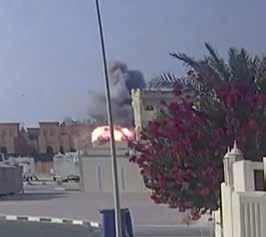
Israel’s attack on Doha
On September 9, Israeli warplanes struck a building in Doha, Qatar’s capital, housing Hamas’s negotiating delegation. While Hamas’s senior leadership survived, 6 people were killed: the son of Hamas Political Bureau member Khalil al-Hayya, 4 Hamas members, and 1 Qatari police officer. It was alleged that Israel had informed the U.S. beforehand and that the Al-Udeid Air Base—the largest U.S. base in the region—may have “turned a blind eye” to the attack.
01.10.2025
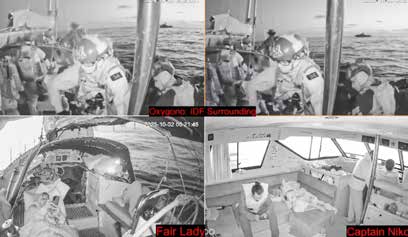
Attack on the Global Sumud Flotilla
The Global Sumud Flotilla, which set sail to deliver humanitarian aid and break Israel’s blockade on Gaza, was attacked by Israeli forces on the evening of October 1 as it approached Gaza waters. The Israeli military illegally seized dozens of boats and ships, detaining hundreds of passengers. The flotilla was the largest collective effort to date aimed at delivering humanitarian aid to Gaza.
09-10.10.2025
Gaza Ceasefire Agreement
A ceasefire in the Gaza Strip came into effect at 12:00 p.m. local time on October 9, following an agreement reached in Egypt with the participation of Türkiye. The Israeli army began a partial withdrawal from several occupied areas. Gaza’s Ministry of Health reported that, in the 24 hours preceding the ceasefire, Israeli attacks killed 17 people and wounded 71 others.
frame

The Perpetrator

Sadly, those responsible for the genocide in Gaza are legion. They include the obvious perpetrators of Israel’ s genocidal war ranging from Netanyahu, his military leaders, cabinet and President to his bureaucrats, soldiers and settlers. But they go further to include accomplices in crime ranging from Presidents and Prime Ministers of many western countries and the European Union to Israeli lobbies and media outlets that have deliberately suppressed news. And then there are the countless people in the world who have turned a blind eye and denied the existence of a genocide conjuring up memories of Nazi extermination policies and practices. History will judge them unkindly. Their denials that they know not what is happening in Gaza are refuted by THE PERPETRATOR. Its vivid portrayal of the genocide of Gaza and accusations of complicity stand as an indictment of the many who in some way have contributed to this genocide..
John Dugard
Professor, advocate and former UN Special Rapporteur on the Situation of Human Rights in the Occupied Palestinian Territory (2001-2008), The Hague, May 2025
Perpetrators of Genocide
As horrifying and deeply unsettling as the Netanyahu administration’s attacks on civilians in the Gaza Strip have been—defying all moral, humanitarian, and legal boundaries, and recognized by international judicial bodies as reaching genocidal proportions—perhaps even more disturbing has been the silence and indifference of the international community in the face of this uninterrupted violence since October 7, 2023.
The cries of Palestinians—most of them women and children—who fled relentless bombardments only to be targeted, killed, burned, or maimed in the makeshift tents where they sought refuge, failed to stir the conscience of the so-called “free and civilized world.” This silence and apathy, which deepened as the brutality escalated, emboldened the Netanyahu government and paved the way for further massacres.
With THE PERPETRATOR, Anadolu Ajansı completes a trilogy on the Gaza genocide following THE EVIDENCE and THE WITNESS, assembling a comprehensive criminal dossier. This final volume focuses primarily on the Netanyahu administration, which bears the foremost responsibility for the violence and devastation in Gaza. Composed of fanatical figures—some of whom would be considered criminals even under Israeli law—this administration’s depraved mindset is laid bare in all its darkness: one that sees the killing of children, the destruction of civilian homes, and even the burning of trees as victories to be celebrated.
The book also documents the broader network of complicity—from politics and business to academia and the arts—whose military and political support has kept Netanyahu’s machinery of mass violence running. It does so with the resolve and hope that one day, all those directly or indirectly linked to this genocide will be held accountable and forced to confront this collective shame.