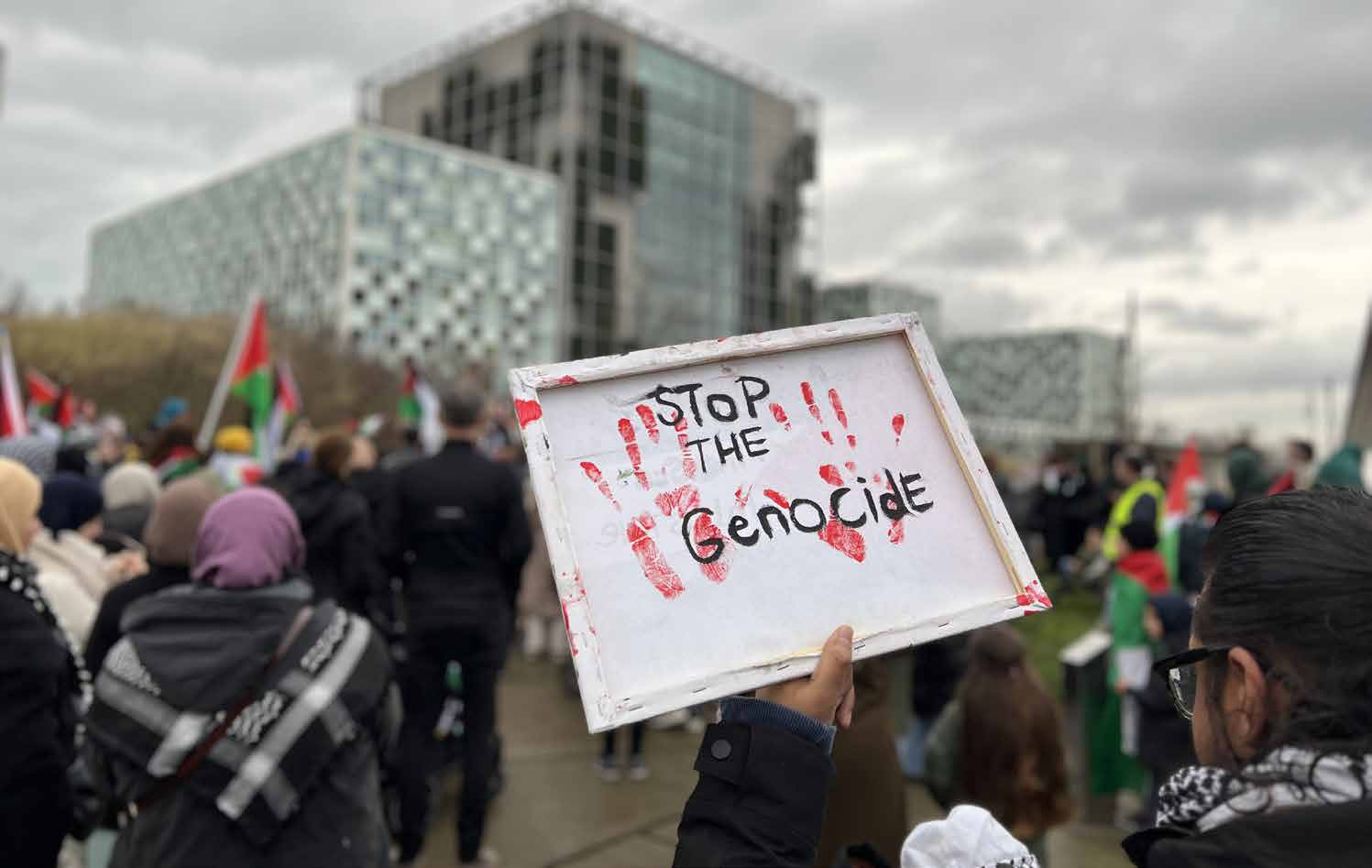
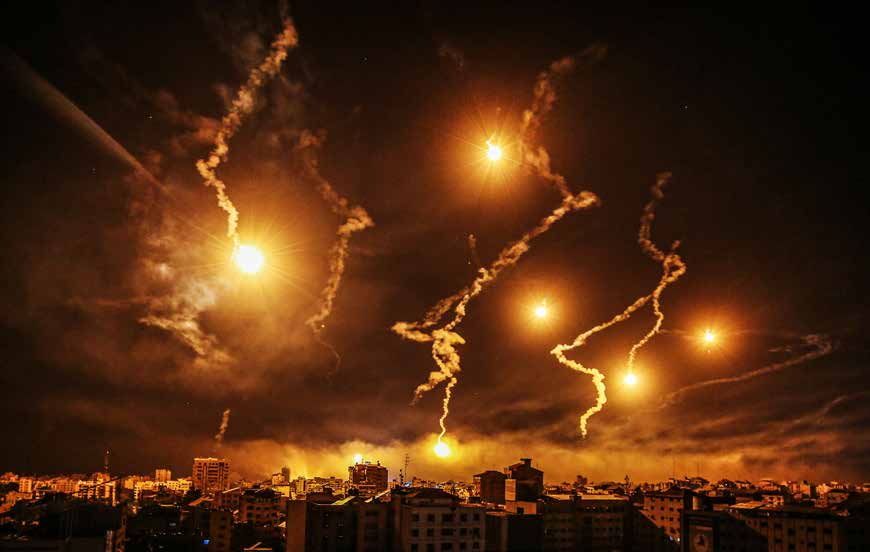
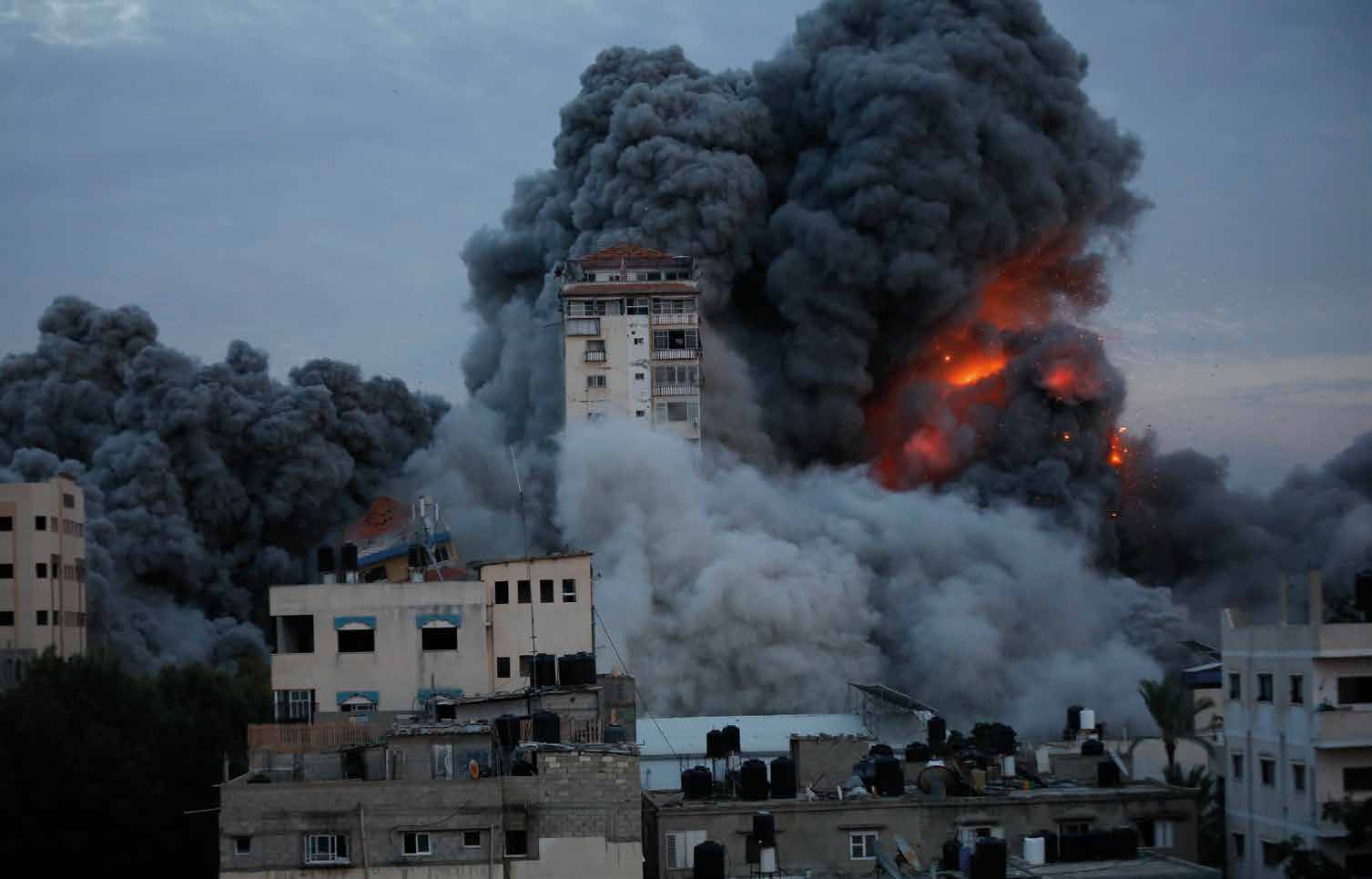
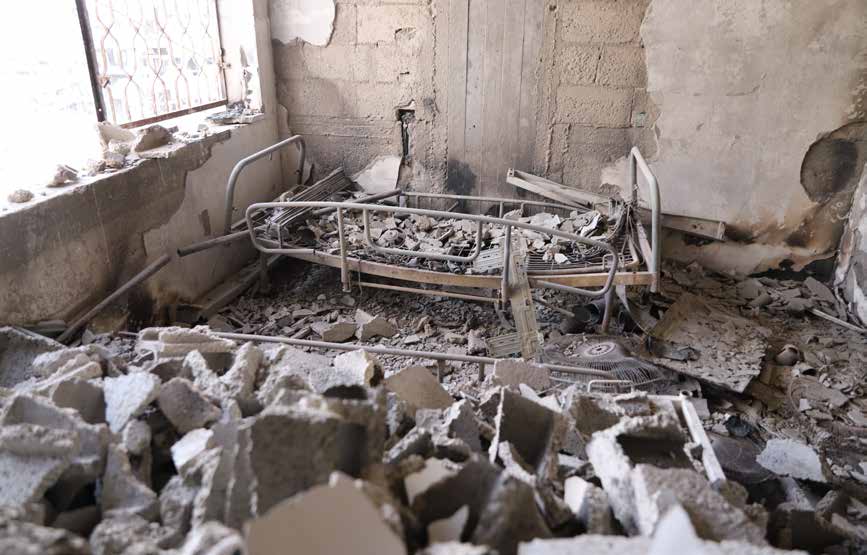
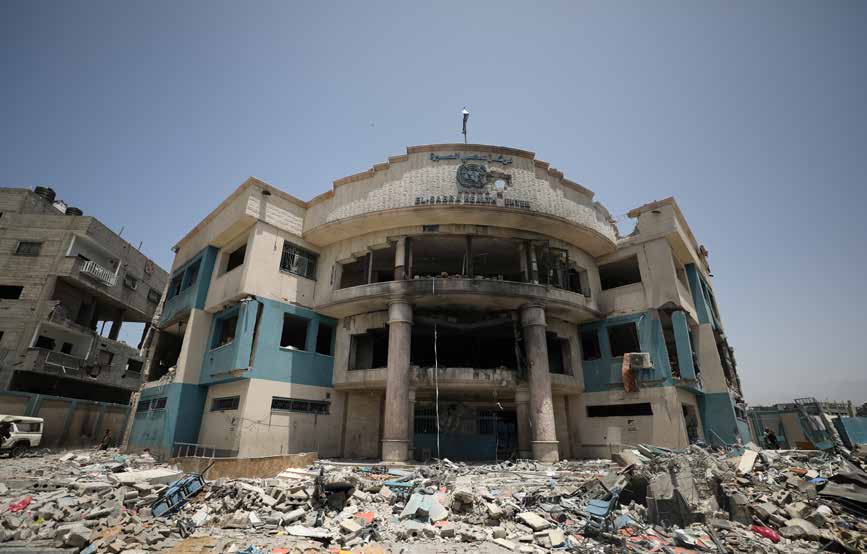
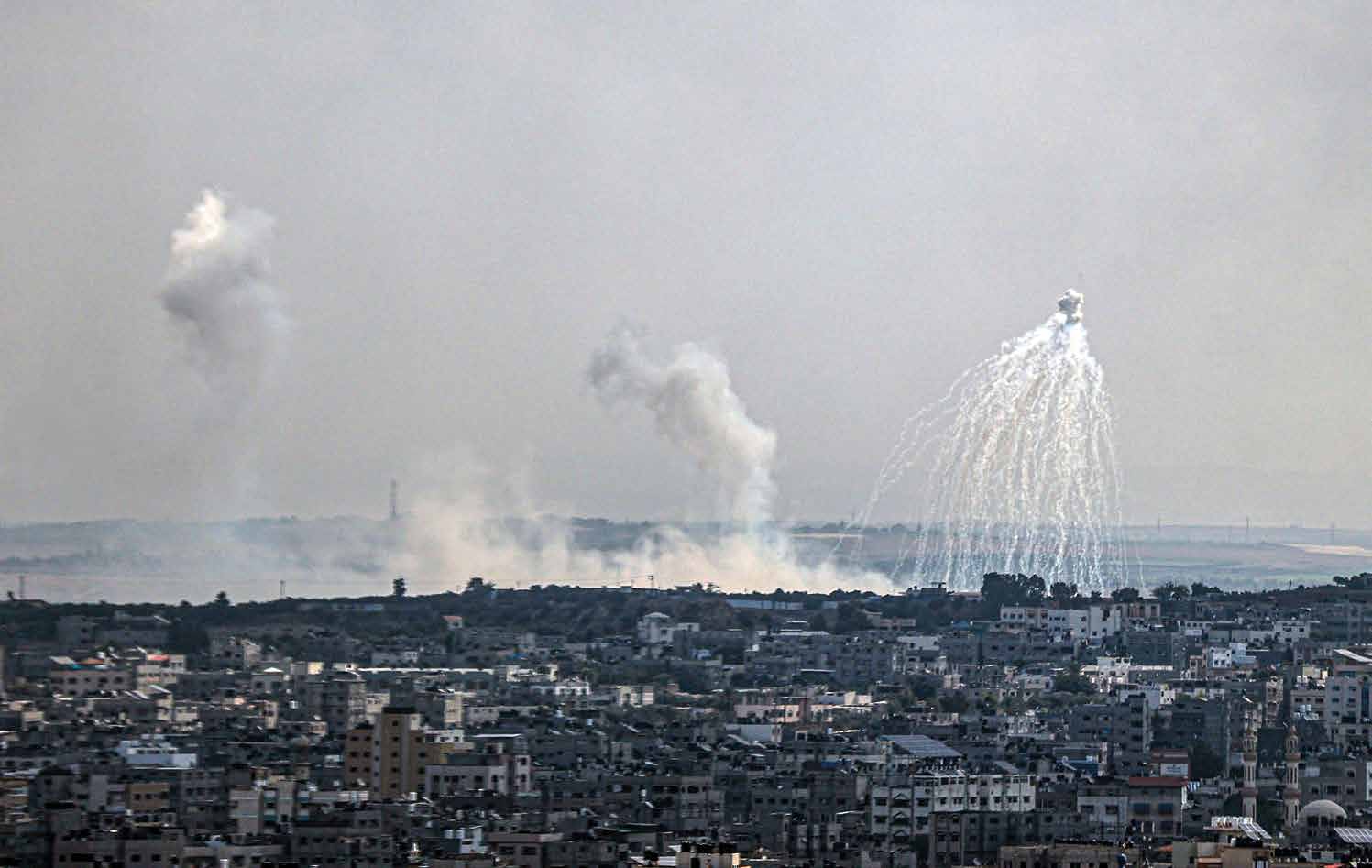
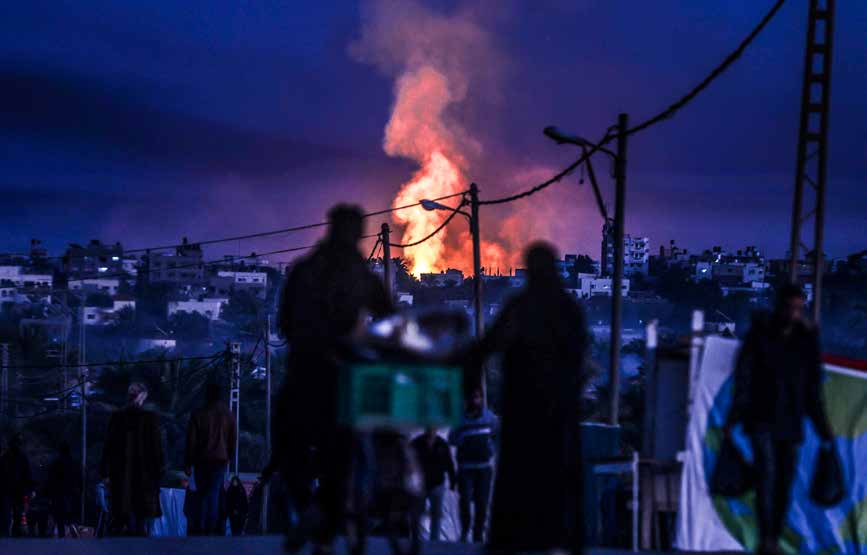
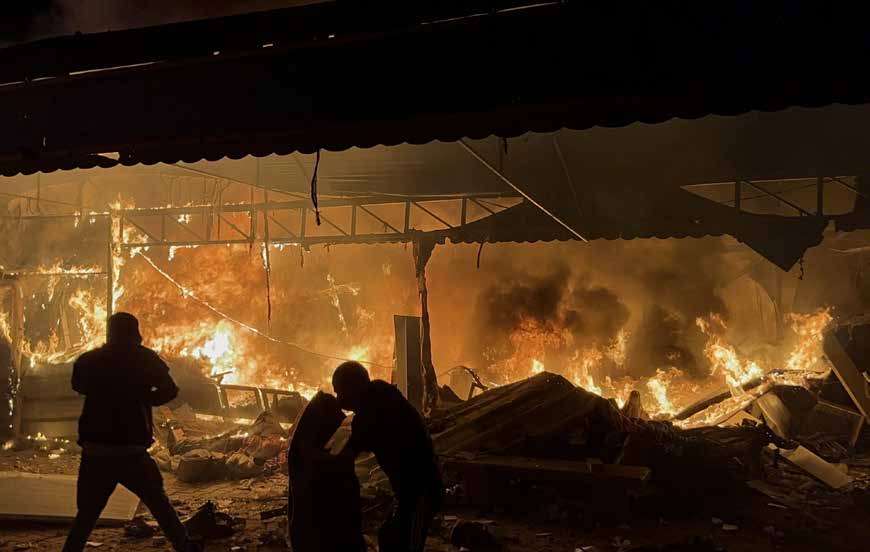
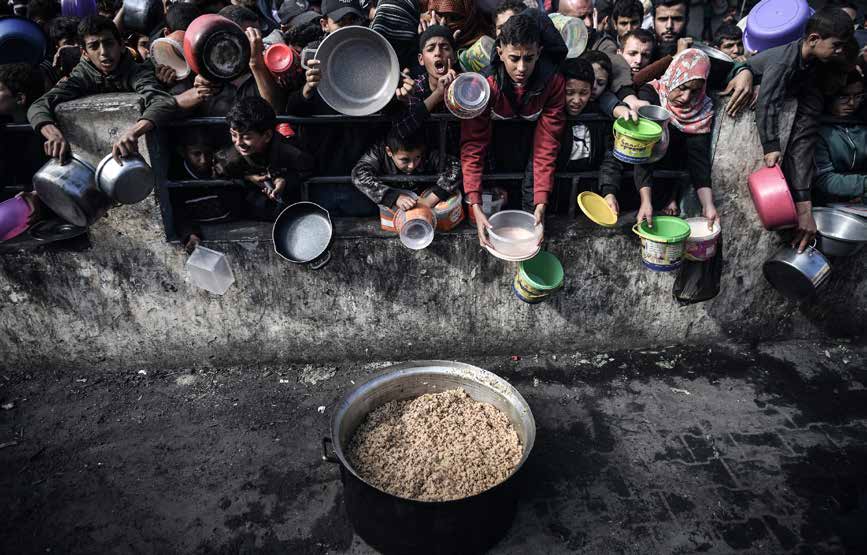
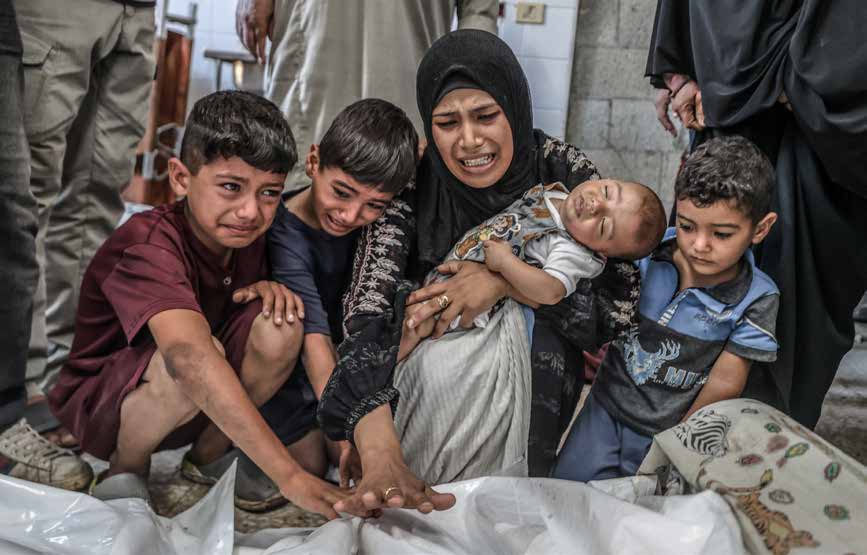
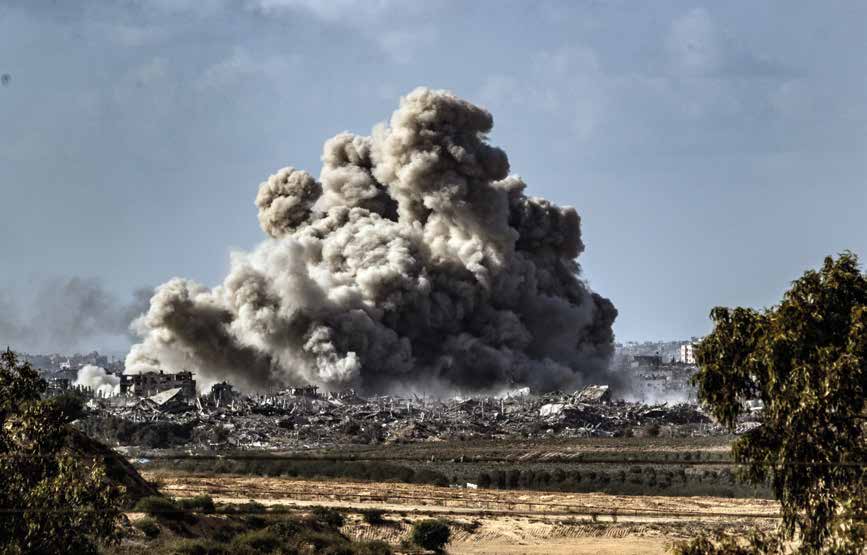
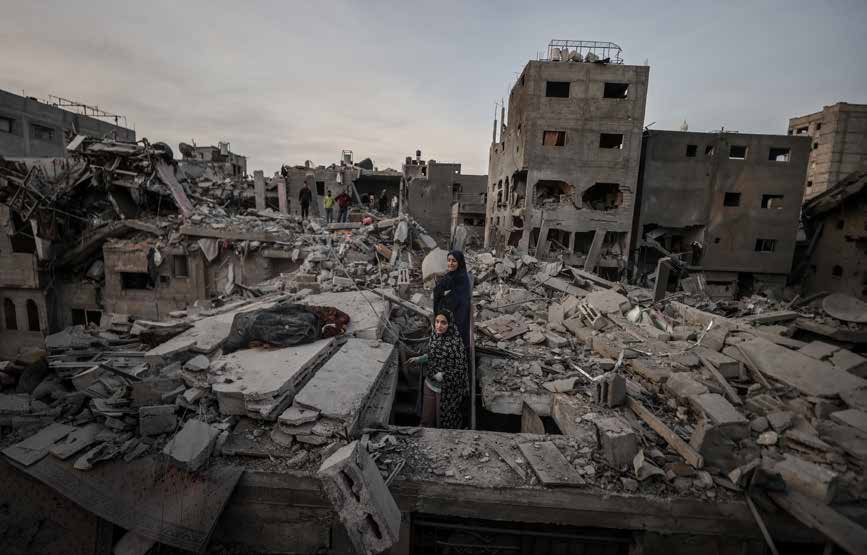
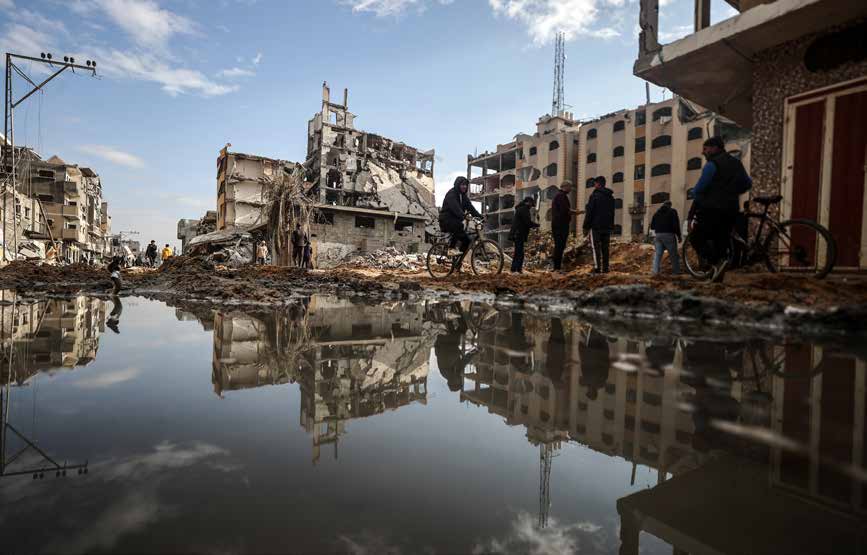
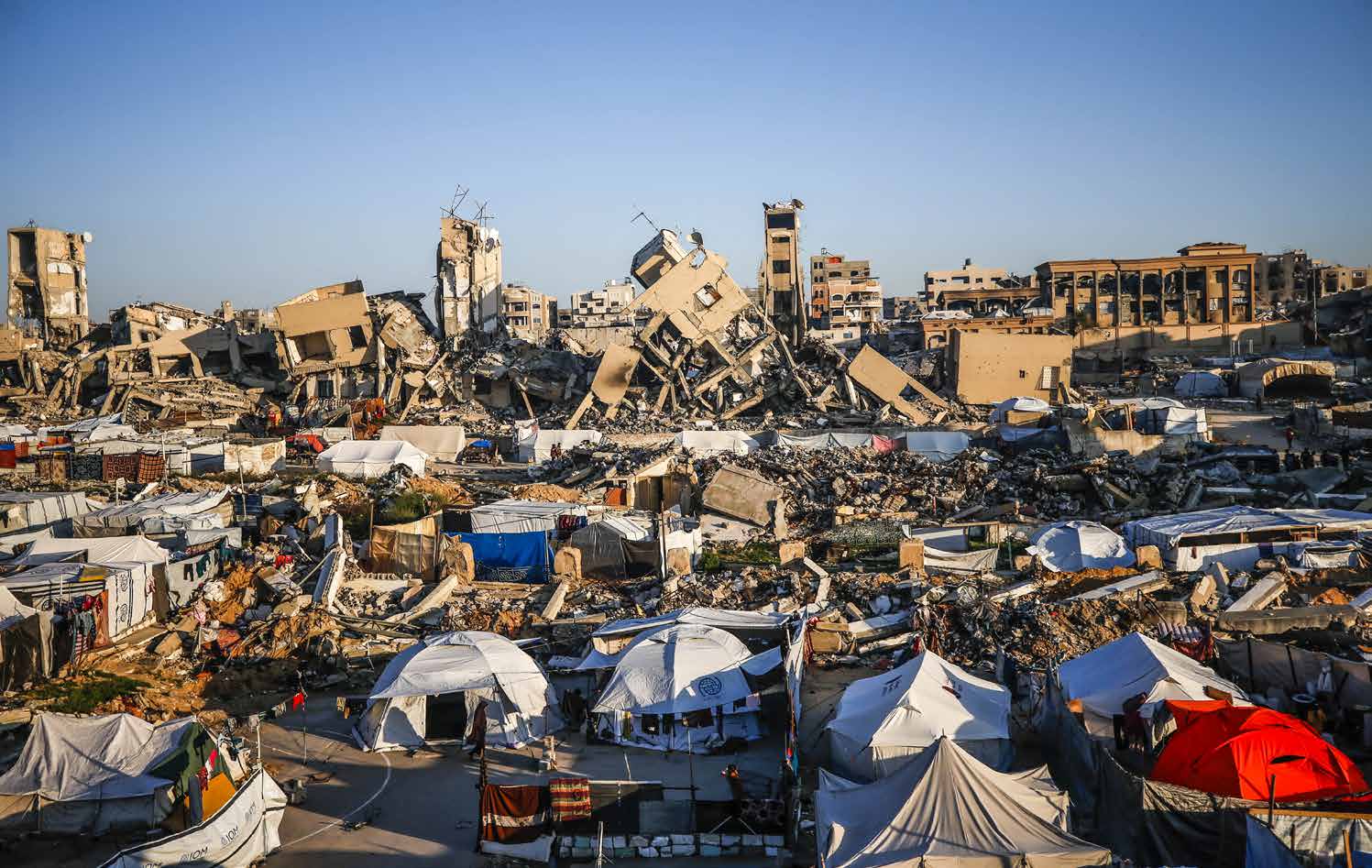
Israel’s policy of occupation, displacement, and eradication directed at the Palestinian people has continued for 76 years, but since October 2023 it has reached an unprecedented level. While earlier phases of this policy often aimed to render Palestinians invisible and condemn them to a slow death, from this date onward, the severity of the oppression escalated to a level that has been widely characterized by human rights experts and organizations as genocide. Subsequently, in the case brought by South Africa against Israel at the International Court of Justice (ICJ), the claim that Israel’s massacres in Gaza constituted violations of the Genocide Convention was deemed plausible by the Court. Even while the case remains ongoing, the Court ordered a series of provisional measures to be implemented without delay.
This ruling not only reaffirmed the humanitarian and moral responsibilities of states regarding the massacres being committed in Gaza, but also established their legal obligations. Specifically, the Genocide Convention not only prohibits the commission of genocide but also imposes an obligation on third-party states to refrain from aiding or abetting such crimes. Furthermore, based on the Convention and the Court’s previous jurisprudence, states are required to take all measures within their capacity to prevent the commission of genocide. However, let alone preventing these atrocities, some states have continued their long-standing political, military, and economic support for Israel, while others have even escalated their support since October 2023. The most prominent of these states and the most striking forms of support they have provided to Israel are as follows:
United States
The United States, Israel’s most significant ally since its founding, has not only maintained but further solidified this position since October 2023. Many experts agree that without the nearly unconditional material, military, and political support the United States has provided —often in violation of its own domestic laws—, Israel’s massacres in Gaza would have come to an end within a very short period.
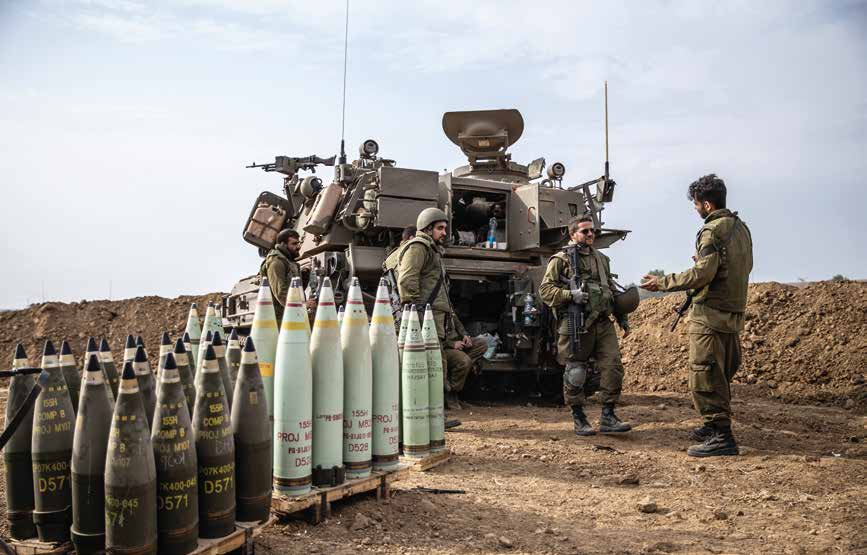
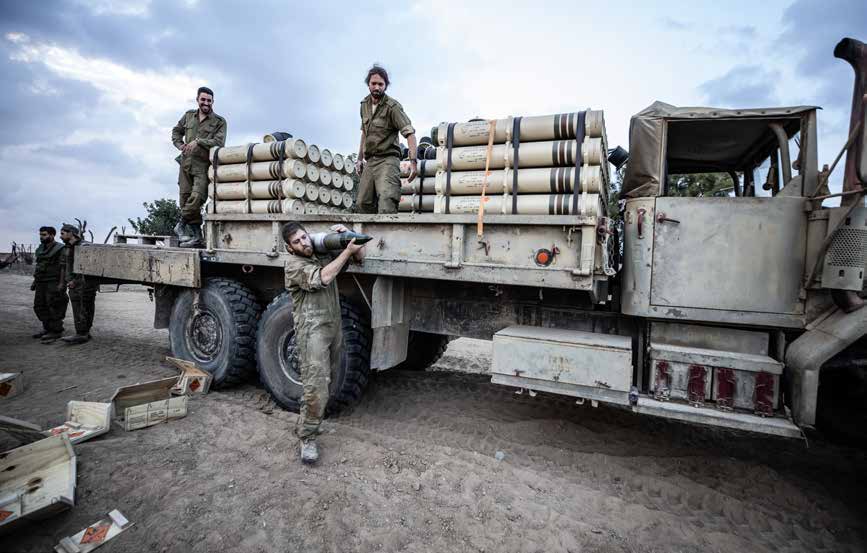
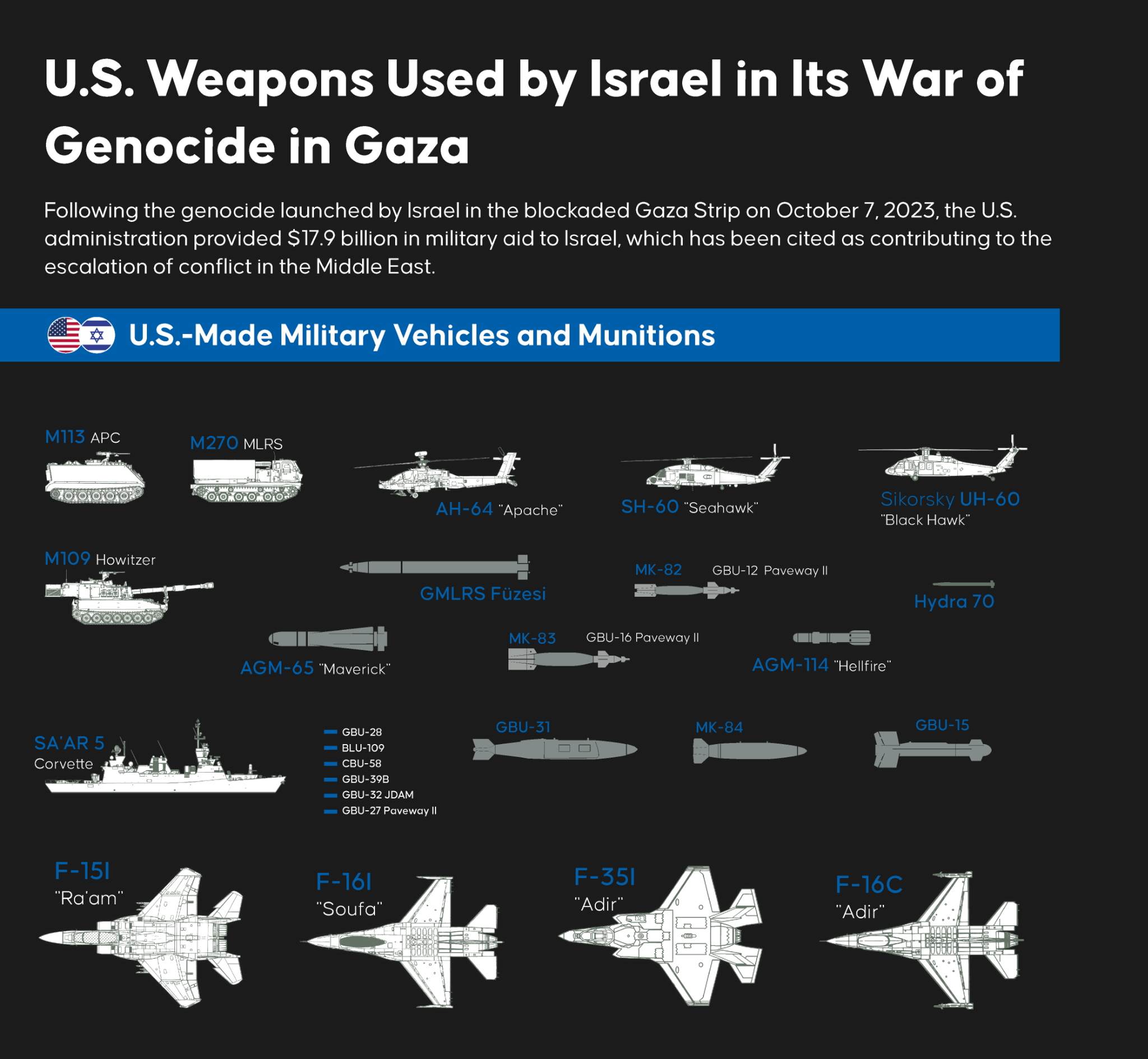
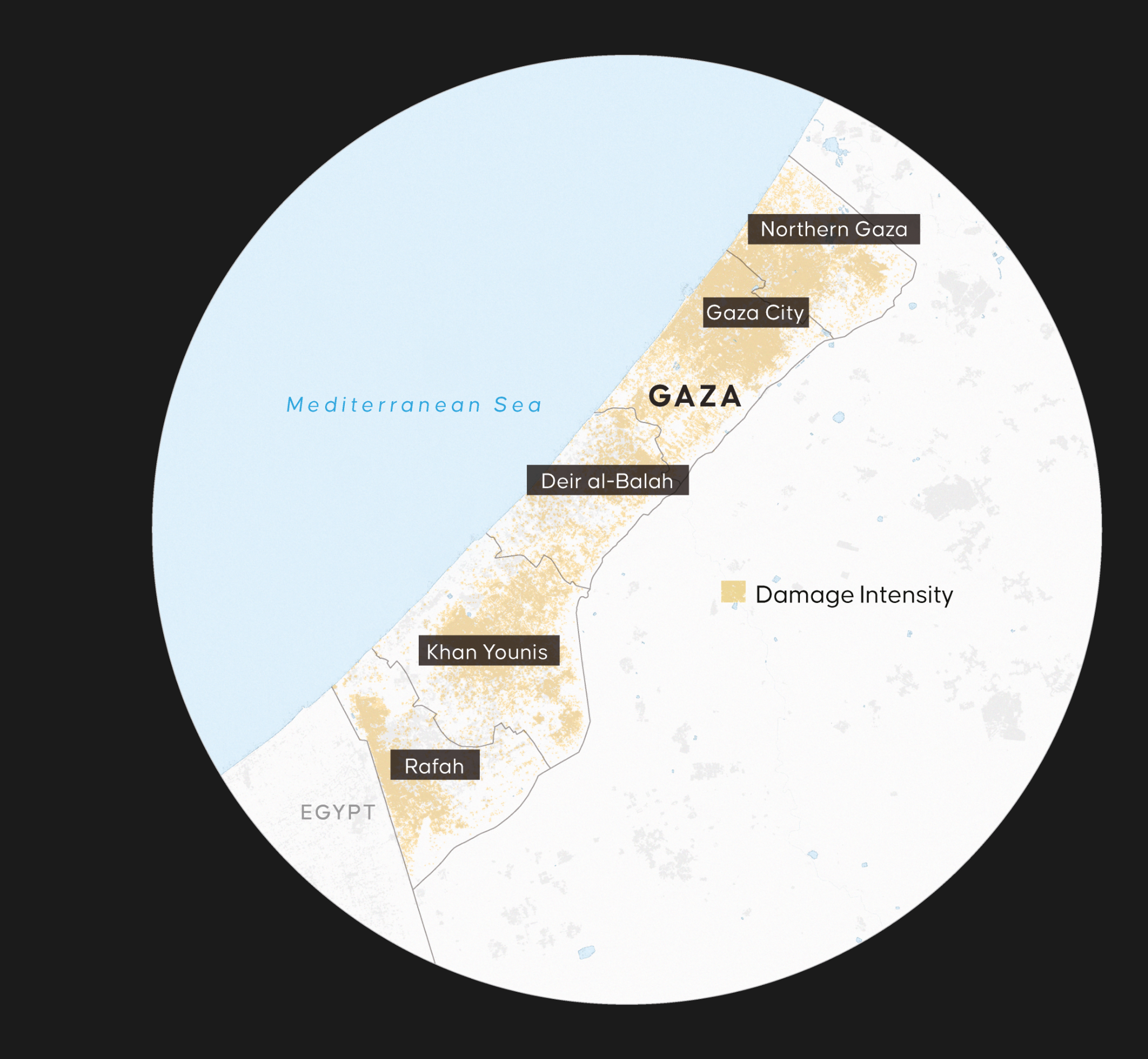
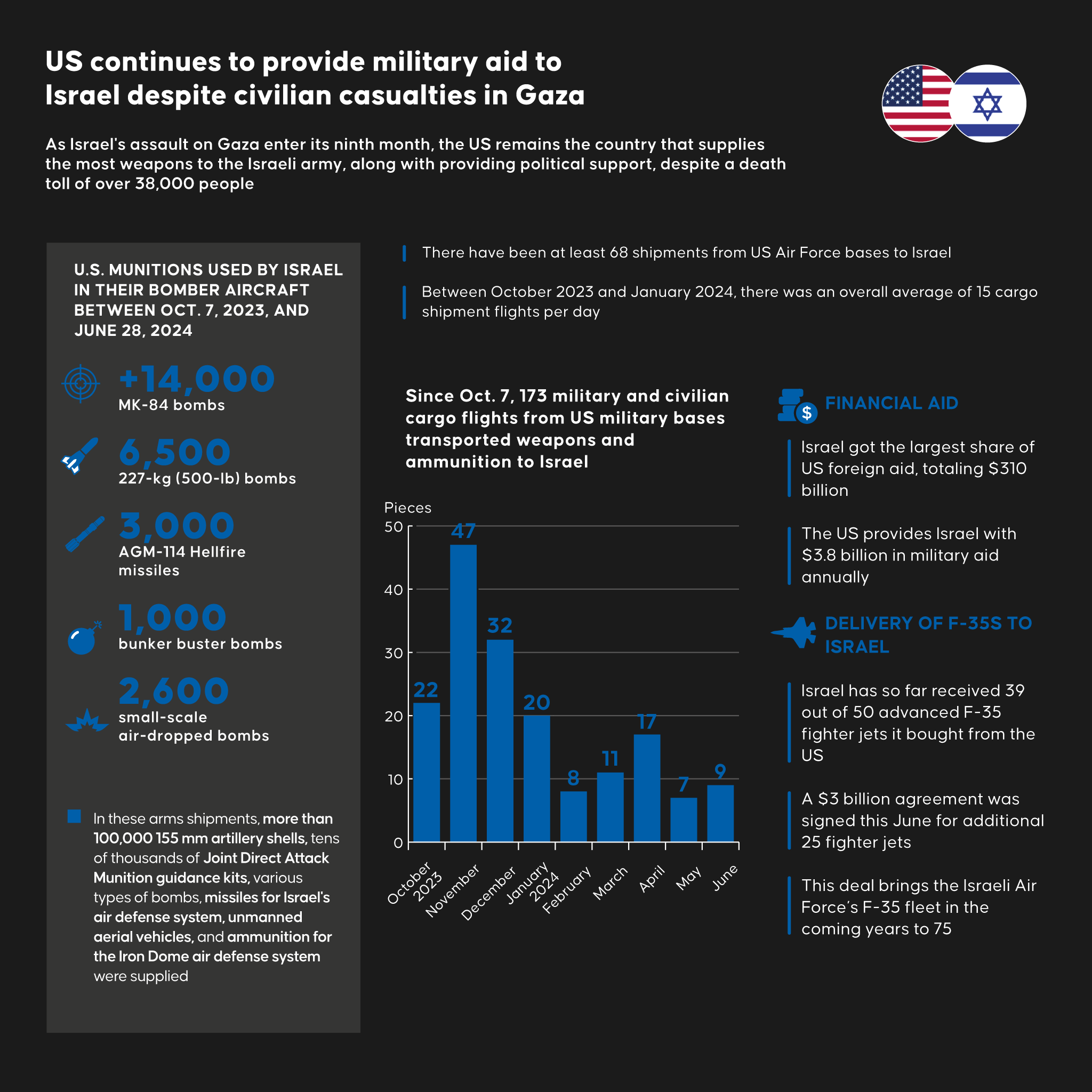
To date, the U.S. has provided Israel with approximately $310 billion in economic and military aid. Under an existing 10-year military assistance agreement, the U.S. had already been providing $3.8 billion in annual aid. Between 2019 and 2023, 69% of Israel’s imported weapons originated from the United States. Since October 7, this support has not only continued but accelerated. According to U.S. officials, over 100 military shipments have been made to Israel, although only a small portion of these have been disclosed publicly. Among the most notable weapons included in these shipments are tank and artillery shells, precision-guided munitions, various types of bombs, bunker-busting explosives, and jet fuel for fighter aircraft. The shipments have included thousands of 2,000-pound (900 kg) bombs, which are so powerful that they are lethally effective within a 350-meter radius. The extensive use of such high-impact bombs in densely populated areas like Gaza has been one of the primary causes of the mass casualties and widespread destruction witnessed there.
Moreover, in August 2024, the Biden administration approved an arms sale to Israel totaling $20 billion, which includes F-15 fighter jets, upgrade kits, and large quantities of tank and artillery ammunition.
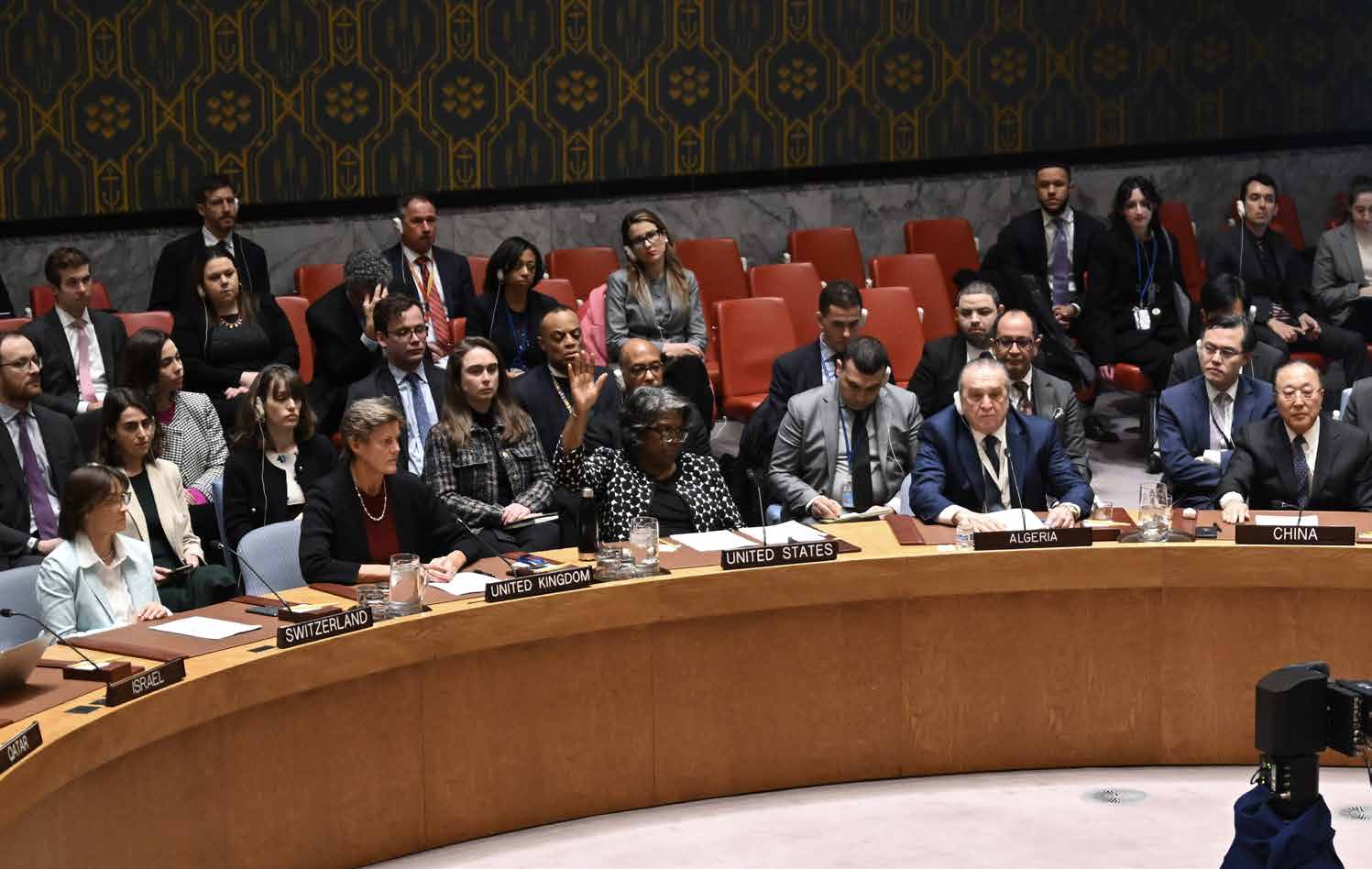
In addition to this extensive military and economic support, the United States has also provided Israel with unwavering political and diplomatic backing. Since October 2023, three separate United Nations Security Council resolutions aimed at halting or suspending Israel’s assault on Gaza have been vetoed by the U.S. representative—citing reasons such as the resolutions’ failure to mention Israel’s “right to self-defense” or the risk that they might “jeopardize ceasefire negotiations.” Similarly, another resolution proposing full UN membership for Palestine was also vetoed by the U.S., thereby preventing its adoption.
Following the request by the Prosecutor of the International Criminal Court (ICC) for arrest warrants against Prime Minister Benjamin Netanyahu and Israeli Defense Minister Yoav Gallant, the Biden administration vehemently opposed the move, calling it misguided and shocking. Some members of the U.S. Senate went as far as to threaten the ICC, its prosecutor Karim Khan, and its staff, pledging to impose sanctions. In fact, the U.S. Congress passed a bill that included sanctions such as asset freezes and visa bans targeting ICC personnel.
The U.S. opposition to the ICC dates back to the 2002 “American Service-Members’ Protection Act,” and continued under the first Donald Trump administration through Executive Order 13928.
Although this order was rescinded by the Biden administration in 2021, the passage of new legislation ahead of the second Trump term demonstrates the U.S.’s persistent and unconditional support for Israel.
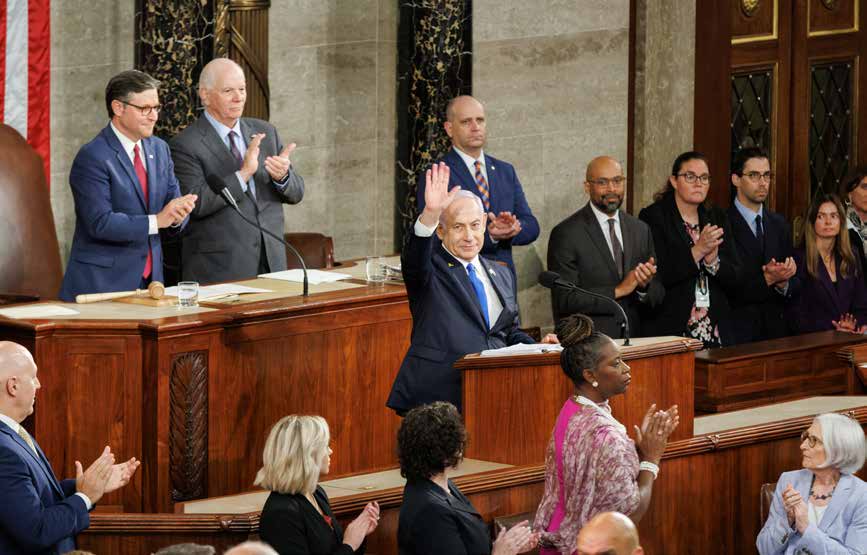
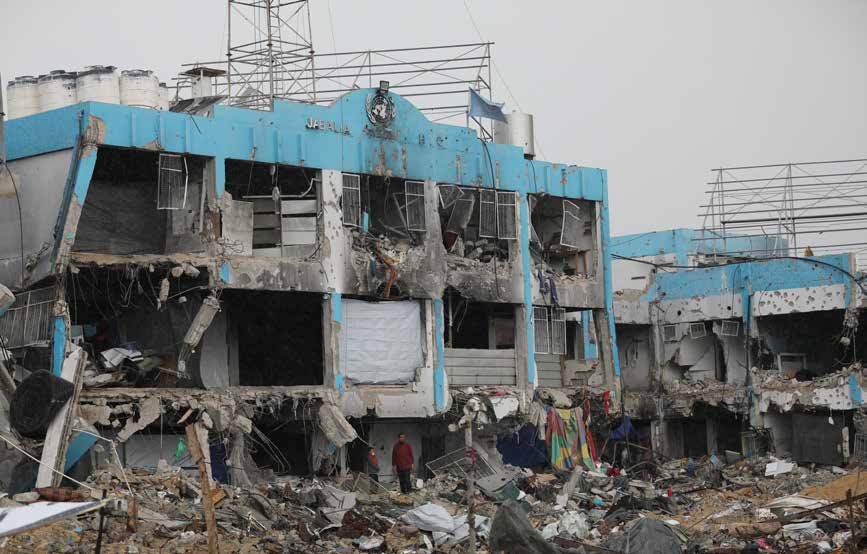
The support of U.S. legislative bodies for Israel has reached such an overt and absurd level that Netanyahu’s speech—delivered in July before a joint session of Congress at the invitation of the legislature—was interrupted dozens of times with standing ovations from Senators and Representatives, despite being filled with misinformation. Furthermore, based on unverified allegations that Israel has not publicly substantiated with evidence, both the Senate and the House passed legislation cutting off funding to the United Nations Relief and Works Agency for Palestine Refugees (UNRWA)—the main humanitarian agency operating in Gaza— effectively halting U.S. contributions until at least March 2025.
European Countries
Broadly speaking, since October 2023, the European Union has politically and materially supported Israel’s atrocities in Gaza, aligning itself with the United States, and has failed to take any concrete steps to halt the crisis. Although there have been some differences of opinion among EU leaders, the stance of Commission President Ursula von der Leyen has been decisive in shaping the EU’s approach. From the outset, von der Leyen emphasized Israel’s “right to self-defense” and declared the EU’s solidarity with Israel, effectively legitimizing the atrocities committed. In fact, at a time when Israel had already killed nearly 2,000 Palestinians within just a few days of launching its assault, she traveled to Israel and posed for photos with Netanyahu, thereby reaffirming the EU’s full and explicit support.
Similarly, the European Council failed to respond adequately to the massacres. At times, it was unable to reach consensus due to disagreements over a single letter in draft statements, and only after nearly 30,000 Palestinians had been killed did it issue a call for a ceasefire.
Although the European Parliament did call for a ceasefire at an earlier stage, it nonetheless rejected—by a wide margin—a draft resolution that proposed a concrete measure such as an arms embargo on Israel.
The legal framework governing EU-Israel relations is the EU-Israel Association Agreement, one of whose fundamental provisions is mutual respect for human rights. Despite this, the EU has remained silent in the face of Israel’s long-standing human rights violations against Palestinians—violations that have escalated to unprecedented levels since October 7. Not only has the agreement not been suspended, but a formal review has not even been considered. Likewise, the EU has imposed no economic, trade, political, or other forms of sanctions on Israel, nor has it introduced any restrictions on the use of EU territory in facilitating U.S. arms shipments to Israel.
Despite the numerous atrocities committed by Israel, EU institutions have demonstrated a clear political will to maintain relations with Israel in much the same way as before October 2023. For instance, project funding under the Horizon Europe program has continued uninterrupted since October 7. As of June 2024, a total of €126 million in funding had been allocated to 130 projects involving Israeli partners. Among these partners are the Israel Aerospace Industries (one of the country’s largest weapons manufacturers) as well as several ministries of the current Israeli government.
Likewise, certain European arms companies that manufacture weapons or components used by Israel in Gaza have also been beneficiaries of substantial EU funding—amounting to hundreds of millions of euros. One notable example is the German arms manufacturer Rheinmetall, which supplies tank ammunition to Israel and has received over €160 million in EU funds.
While the EU institutions have acted generously and eagerly when it comes to financial support for Israel, they have shown an equally hasty and restrictive approach when it comes to assistance for Palestine and related humanitarian bodies. Just days after October 7, the relevant EU Commissioner announced that the EU would suspend its development aid to Palestine. This decision, however, was later reversed following objections from several EU leaders and member state governments.
Similarly, in response to Israeli allegations—offered without public evidence—against the United Nations Relief and Works Agency for Palestine Refugees (UNRWA), the European Commission initially suspended funding to the agency in January. However, following subsequent remedial measures and assurances from both the UN and UNRWA, the EU reversed its decision in March and announced that financial support for the agency would resume.
United Kingdom
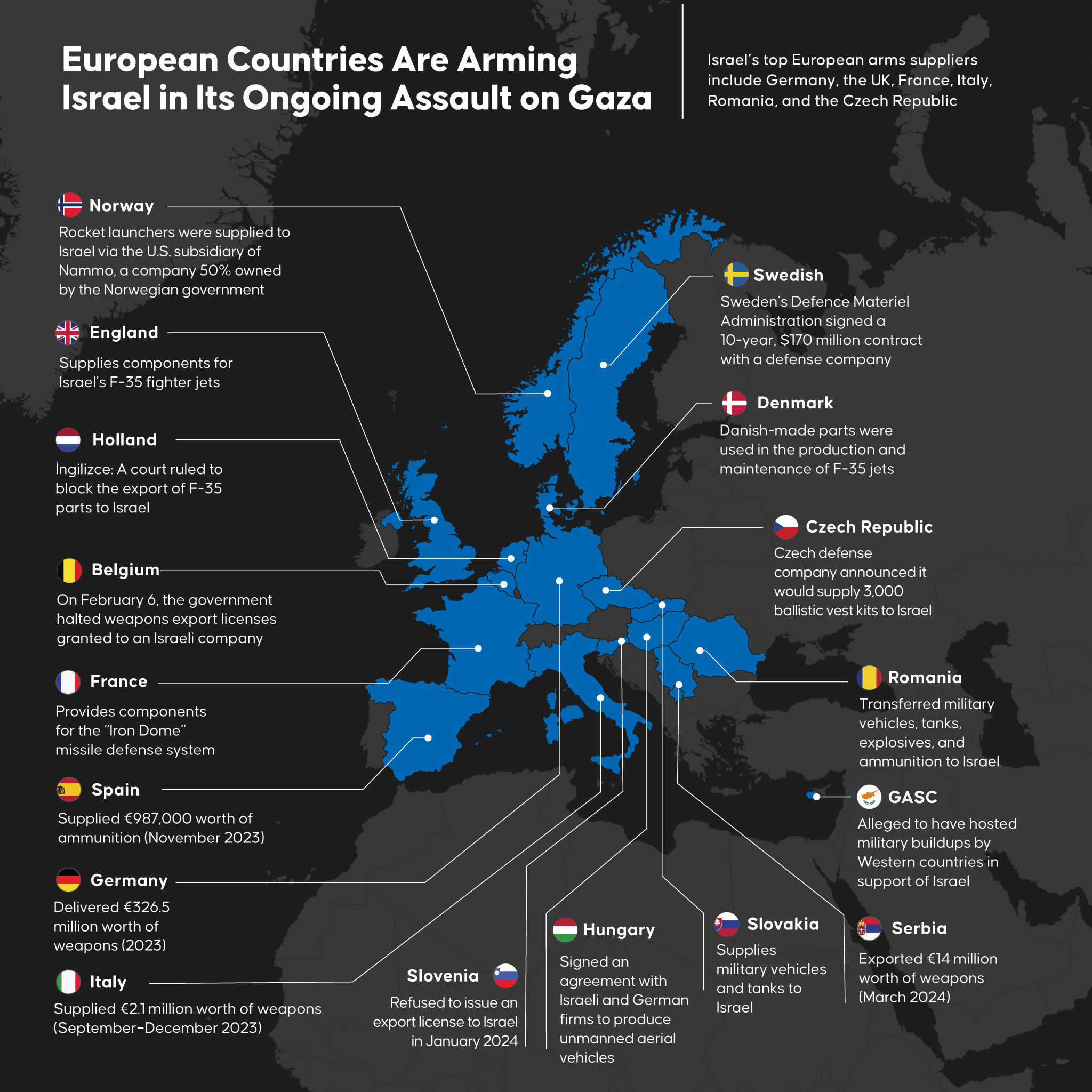
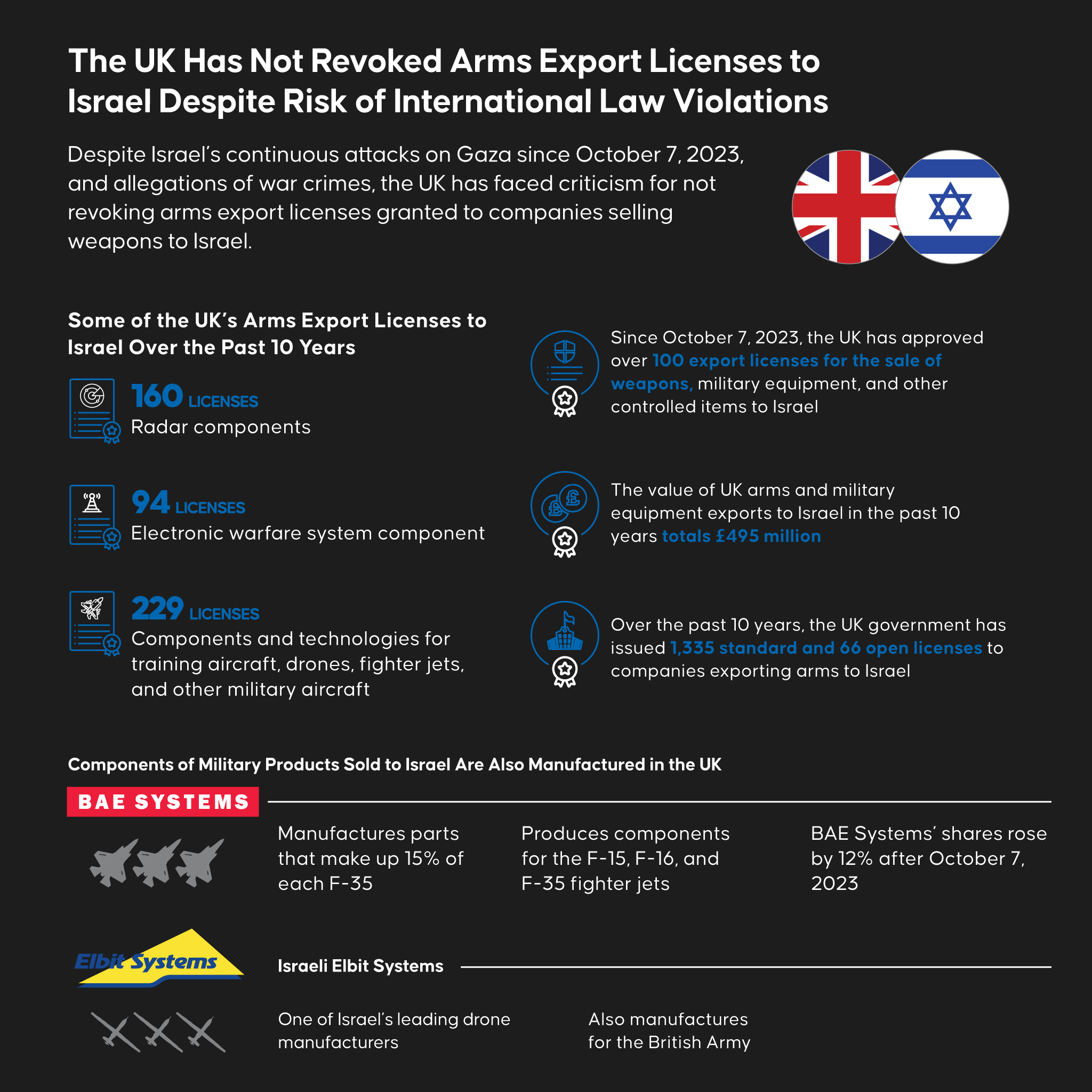
The United Kingdom is another country that has expanded its political, diplomatic, and military support for Israel, both prior to and especially following October 7. Since 2008, the UK has issued export licenses for arms and military equipment worth over £500 million to projects and companies supplying Israel. Notably, these exports include components essential to F-35 fighter jets, which have been widely used in the attacks on Gaza.
The UK’s military support for Israel has played a significant role in the context of the atrocities committed in Gaza. In particular, the British military bases located on the island of Cyprus have become a key logistical hub—serving both U.S. aircraft transporting arms to Israel and British intelligence operations supporting Israeli actions.
For instance, although such flights had not occurred in previous months, during the onset of the massacres in October, dozens of military cargo planes reportedly departed almost daily from these bases to Israel. While the UK government has not provided clear information regarding the contents of these shipments, testimonies from Cypriot workers employed at the bases indicate that the cargo included weapons and ammunition.
Due to their geographic proximity to Israel, these bases have also played a crucial role in facilitating U.S. arms and troop transfers to Israel, effectively turning them into international military hubs that support Israel’s campaign in Gaza.
In addition, these same bases have been used by British surveillance and intelligence aircraft conducting regular reconnaissance flights over Gaza. For example, intelligence provided by the UK is reported to have played a key role in the Israeli hostage rescue operation carried out in the Nuseirat refugee camp, during which hundreds of Palestinians were killed. Although the UK has recently suspended the export of certain weapons to Israel in response to human rights concerns, its provision of intelligence support continues without interruption.
Since October 7, the United Kingdom has supported Israel also politically and diplomatically, as it has done before. Rishi Sunak, the prime minister of the previous conservative government, paid a visit to Israel in the first days of the massacres to show their support, and in the following period, the government almost never withheld its support. For example, the UK government opposed South Africa’s lawsuit at the ICJ, stating that the allegations there were unfounded and detrimental to ceasefire efforts. The government also took a similar stance against the ICC prosecutor’s requests for the arrest of Netanyahu and Gallant, and deliberately prolonged the process of their acceptance by the Court by filing appeals to the ICC against this request. In addition, the United Kingdom abstained from voting on some UN Security Council resolutions that envisaged a ceasefire in order to deliver humanitarian aid to Gaza.
Germany
As a contemporary manifestation of its historical responsibility, the German state regards its support for Israel not only as a moral obligation but as a matter of national interest—one of the cornerstones of its foreign policy. This stance became even more explicit following the events of October 7. Since that date, Germany has undoubtedly emerged as the most prominent political, diplomatic, and military supporter of Israel within the European Union. Immediately after October 7, while Israel’s assault on Gaza intensified at full speed, German Chancellor Olaf Scholz and Foreign Minister Annalena Baerbock were among the first European officials to visit Israel and express their unreserved support. Throughout the process, German officials repeatedly emphasized that Germany stands firmly by Israel’s side and is prepared to provide whatever support may be required. Domestically, German security institutions have exerted significant effort to suppress any expression of solidarity with Palestine or criticism of Israel’s actions—actions widely characterized as genocidal—by conflating such dissent with anti-Semitism, often citing Baerbock’s public statements as justification.
Germany is the second-largest supplier of weapons to Israel after the United States. Between 2019 and 2023, 30% of Israel’s arms imports came from Germany. In 2023 alone, Germany’s arms exports to Israel increased tenfold compared to the previous year, surpassing $300 million and including deliveries of advanced military equipment and weaponry. Of the 218 export licenses granted for arms sales to Israel in 2023, 185 were approved after October 7.
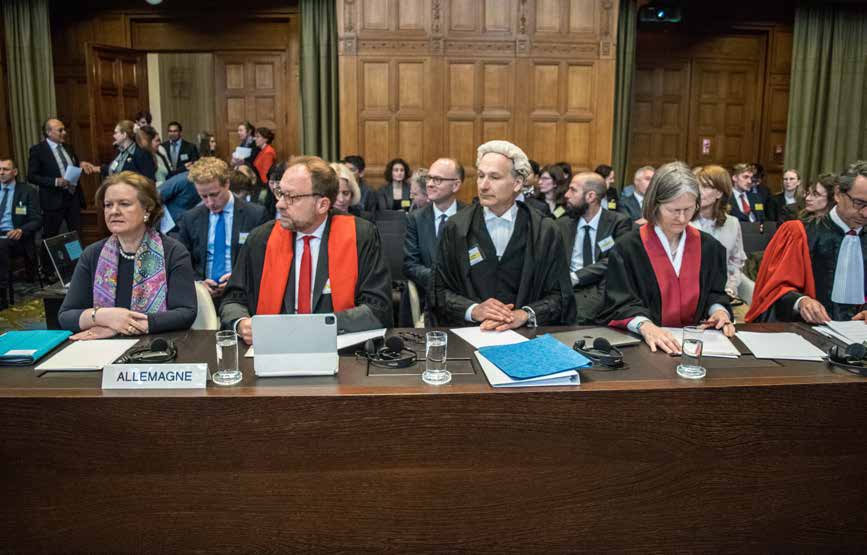
Moreover, German officials have extended their support for Israel within international institutions, including the United Nations and judicial bodies. At the UN General Assembly, Germany has regularly abstained from votes it perceived as unfavorable to Israel, including resolutions calling for a ceasefire. Even when addressing the humanitarian catastrophe in Gaza, German representatives have frequently avoided mentioning Israel by name or acknowledging its role. In relation to South Africa’s genocide case against Israel at the International Court of Justice (ICJ), the German government dismissed South Africa’s claims as unfounded, framing the proceedings as a politicization of the Court. Germany further expressed its intention to intervene in the case on Israel’s behalf.
Germany’s extensive support for Israel has, in fact, placed it, symbolically at least, in the defendant’s seat as an alleged enabler of genocide, a role with which Germany is historically all too familiar. In a separate case brought before the International Court of Justice (ICJ), Nicaragua accused Germany of violating its obligations under the Genocide Convention by providing military and financial assistance to Israel while it was committing acts of genocide. Although the Court did not issue provisional measures against Germany, it also declined to dismiss the case outright, rejecting Germany’s request for the case to be dropped. As a result, the proceedings are ongoing.
Italy
Between 2013 and 2023, Italy was the third-largest supplier of arms to Israel after the United States and Germany. Although some Italian ministers claimed that arms exports to Israel had ceased following October 7, there is evidence that shipments of weapons and ammunition from Italy to Israel continued—albeit in smaller quantities—through the final months of 2023. Italian authorities have asserted that these exports were licensed prior to the escalation and did not include materials that could be used against civilians. However, the fact that arms exports to Israel in December 2023 were nearly three times higher than in the same month of the previous year raises serious doubts about the credibility of these claims.
Italy was also among the countries that swiftly suspended donations to UNRWA following Israel’s unsubstantiated allegations against the agency. After the United Nations and UNRWA provided certain assurances and carried out internal reviews, Italy later decided to resume its contributions.
In addition, Italy abstained—alongside several other EU member states—in United Nations General Assembly votes held in October and December, which called for a ceasefire in Gaza, humanitarian aid access, and the release of hostages.
Canada
In January 2024, Canada suspended the issuance of new arms export licenses to Israel. However, in 2023, it had already approved nearly 200 licenses for the sale of weapons, including bombs, torpedoes, rockets, and other explosive devices. Additionally, in the final months of 2023, Canada authorized over $20 million in arms exports. It is important to note that the deals approved in 2023 are unaffected by the recent suspension of new licenses and are expected to proceed as planned. Canada also abstained in various United Nations General Assembly votes that called for a ceasefire in Gaza and outlined a future for the Palestinian state.
It should also be noted that several EU member states—including Spain, Bulgaria, Belgium, and Slovakia—carried out arms and military equipment exports to Israel between 2014 and 2022, amounting to tens of millions of euros. Furthermore, the F-35 fighter jets that Israel has used extensively in Gaza are built with components sourced from multiple partner countries, including the United Kingdom, the Netherlands, Denmark, and Australia. The continued operation of these aircraft relies heavily on a steady supply of parts—particularly engines and structural components.
Moreover, countries such as Austria, the Czech Republic, and Hungary have been vocal in offering political and diplomatic support for Israel across various international platforms, including the EU and the United Nations.
In summary, among Western nations, it is nearly impossible to identify a single state that has not engaged in arms sales to Israel in recent years or contributed—directly or indirectly—to the continuation of Israel’s unlawful occupation of Palestine and its evolution into what many now recognize as genocide since October 2023