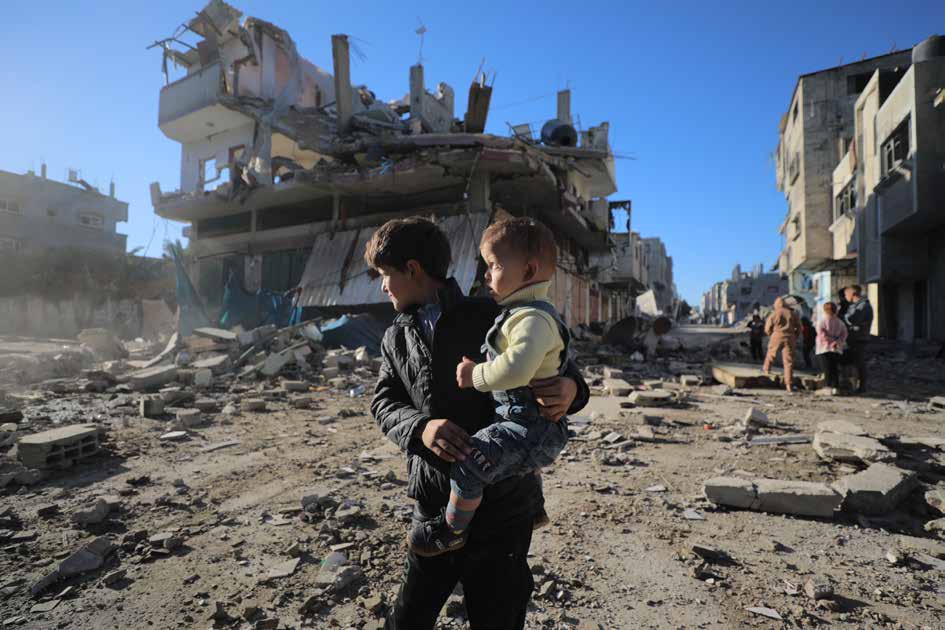

October 7 is seen as a turning point in the Israeli-Palestinian tension. The conflict has erupted into a war unlike any previous one. How do you evaluate this most recent incident considering the whole region?
Up until October 7, there was a prevailing belief in the invincibility of Israel, not just within Palestine but also widely held in the Arab world. However, when around 1,000 to 1,200 members of Hamas -a resistance organization that had been under siege for 17 years attacked Israel, breaking the blockade, it caught the Israeli army off guard. The intelligence and police failures, along with the delayed response, had significant repercussions across Palestine and the region. And this was a serious shock, especially among the Israelis, because the almost religious conviction many Israelis had in the Israeli army has since been largely shattered.
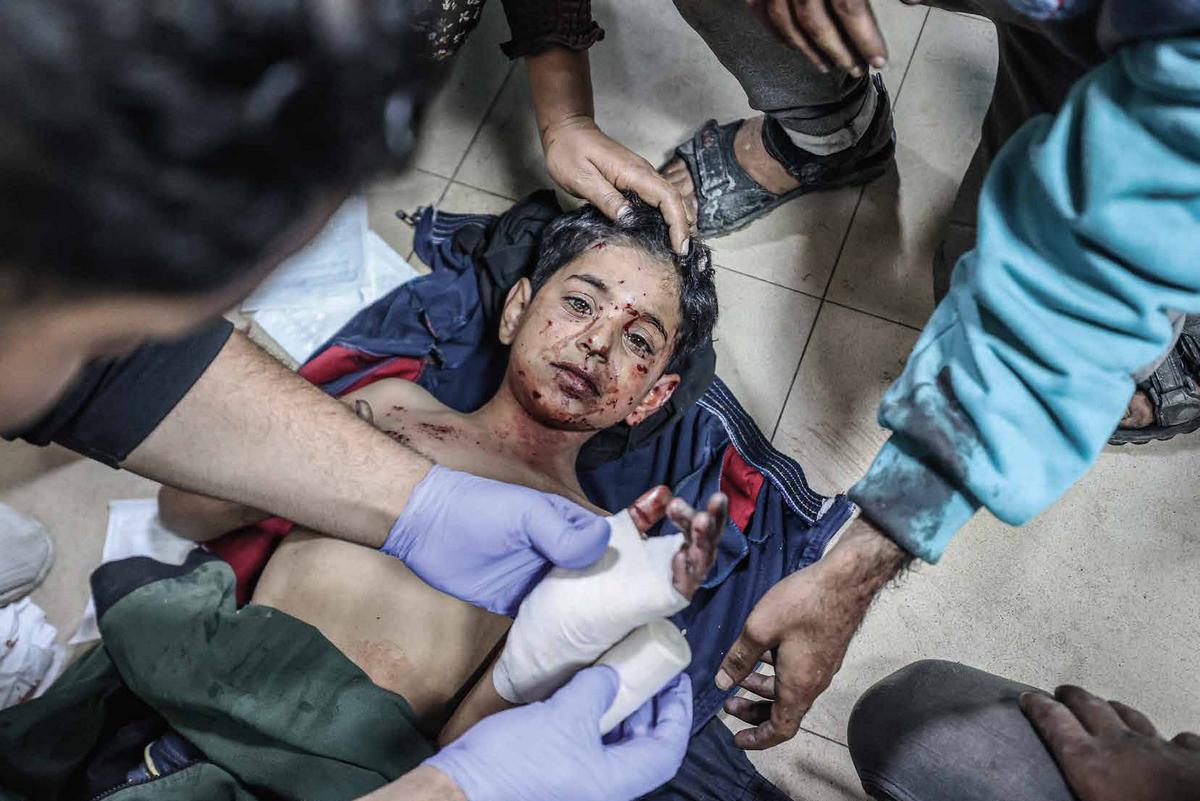
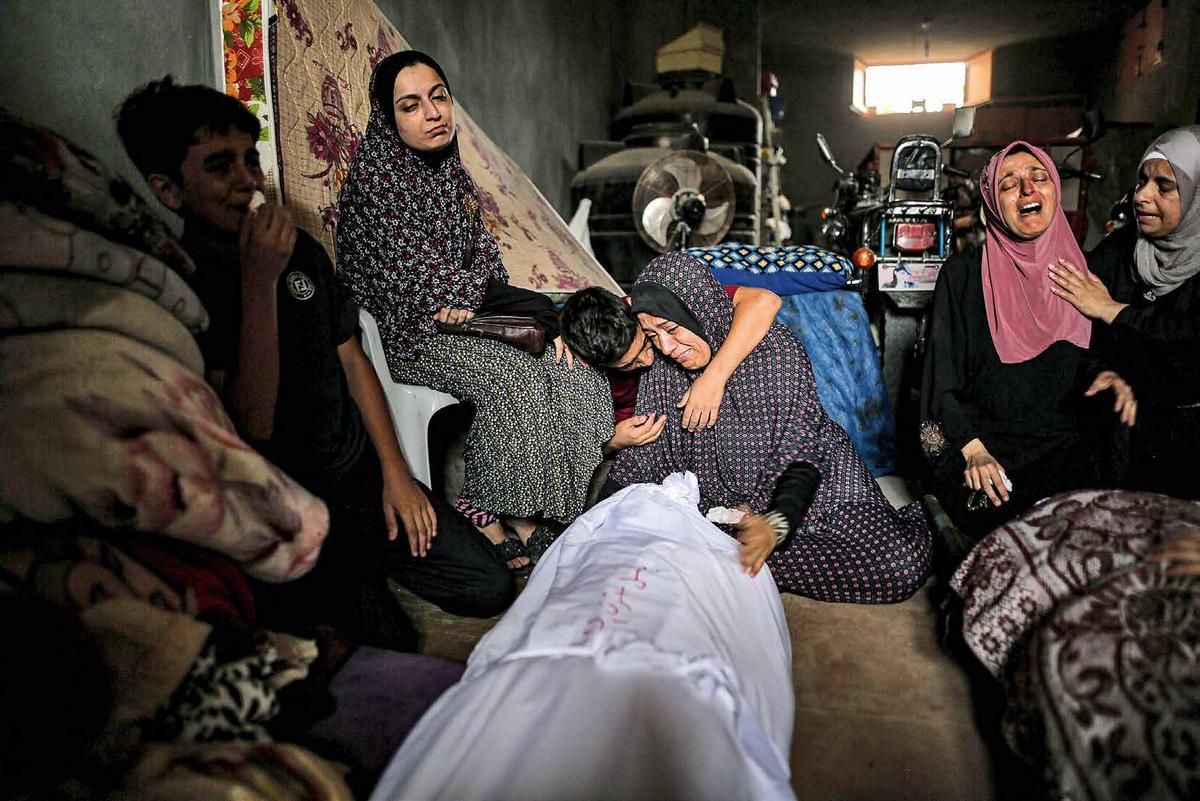
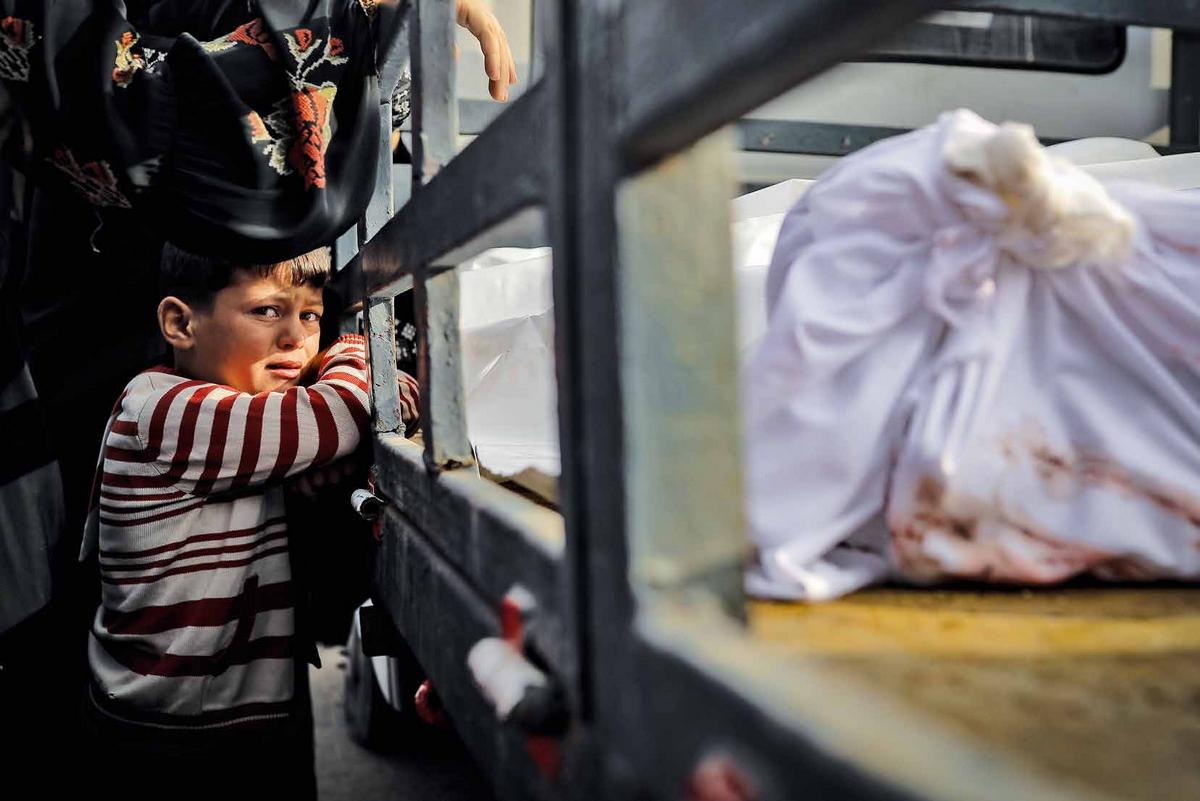
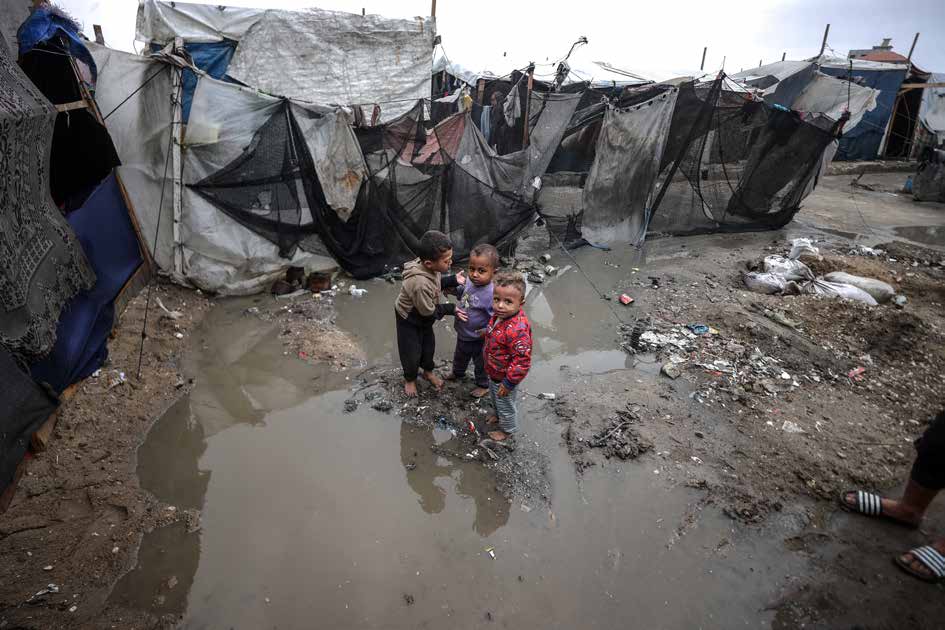
And after that, the bombing raid that has lasted for three months gave a second shock. What do I mean by that? With the unwavering support of the United States and Western countries, they have bombed Gaza with the latest and most advanced technology, killing everyone without discriminating between civilians and armed elements. Despite these efforts, they failed to bring back any Israeli prisoners or eliminate Hamas, which was their initial goal. This failure dealt Israel a second shock. And I see that many commentators in Israel have touched on this point. Currently, it appears that Israel is intensifying its attacks to undermine the belief among Palestinians and Arabs that “It is possible to defeat Israel and liberate Palestine.” In this sense, it marks a turning point.
Secondly, let’s delve into its international repercussions. While the Palestine issue in the region had been relegated to secondary, tertiary, or even lower importance, with certain Arab countries leaning towards normalization with Israel and downplaying the significance of the Palestinian cause, this attack has refocused global attention. The Palestine issue has resurged as a primary concern, prompting many countries to acknowledge that “peace in the region is unattainable until this matter is resolved; we cannot dismiss the Palestine issue.”
How do you anticipate this situation impacting the Middle East?
Primarily, it has fundamentally altered the trajectory of neglecting the Palestine issue, asserting that “there is only Israel here; there is no country called Palestine.” This sentiment is now being reconsidered by countries in the region and around the world. They have been reconsidering their policies and have come to accept that the Palestinians still do exist here.
Additionally, since the October 7 attack by Hamas, the significant civilian casualties caused by Israel in Gaza have galvanized people worldwide. Unprecedented numbers, even in countries like the US and Germany and in Western capitals at large, have taken to the streets. This shift in global public opinion may influence governments to reassess their policies, potentially leaning towards support for Palestine and against Israel in the years to come.
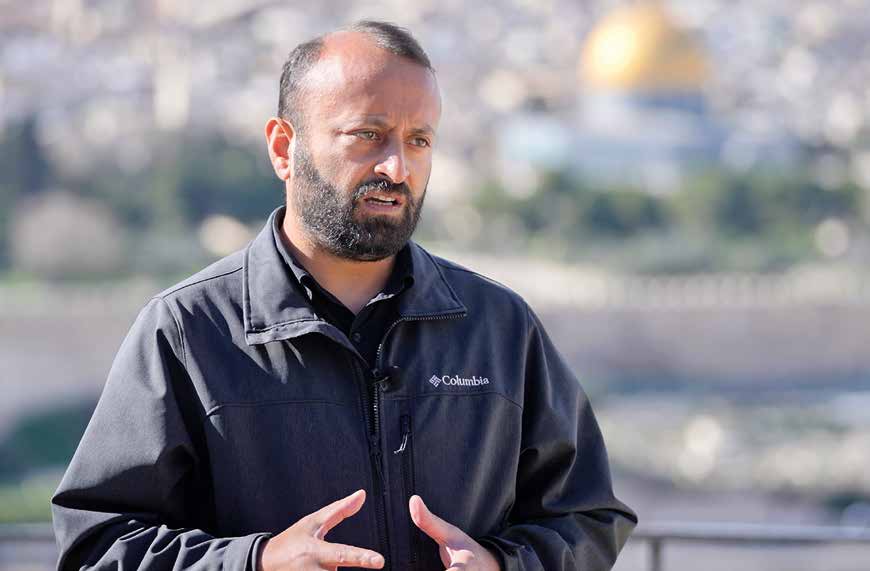
Turgut Alp Boyraz is a person in contact with both the Israeli, Jewish and Muslim sides. As an official of Anadolu Ajansı. Each side holds its own perspective, but is there common ground, and is there hope for a peaceful resolution to the Israeli-Palestinian conflict?
Predicting such outcomes is challenging, given the prevalence of radical ideas within Israeli society. I mean, we follow the antiwar demonstrations, but hundred, two hundred, at most three hundred people turn up. But we see that the majority of the society, whether for or against the government, for or against Netanyahu, advocates policies involving violence. Therefore, many commentators opine that there can be no change from within. In other words, it does not seem possible for Israeli society and politics to lean towards a notion of “let’s turn to more peaceful, solution-oriented policies”. But it may be possible through international pressure.
However, I think it appears to have induced a shift in mentality and created a divide among Israelis. That is, the public seems to be reconsidering the longstanding conviction that “our army is powerful, our intelligence is robust, and we need not concern ourselves with the Palestinians.” After October 7, I think on October 10, I spoke with an Israeli journalist stationed on the Gaza border, affiliated with Channel 12. I said, “What did you do (as a reaction)?” “The first thing I did was to send my children to Bulgaria,” he said. He was a Bulgarian Jew. There is a place where all the Israelis came from. You know, they’re not originally from here. They all came from somewhere, and it caused a mental fracture in the Israelis. “Hey, we have the Iron Dome!” You know, their air defense system. The self-confidence they had, as though saying, “We have an army, we have an intelligence, and we are safe, even if we don’t give the Palestinians their rights,” has been completely shattered.
A resistance organization, operating in a region under occupation for seventy-five years and blockaded for 17 years, was able to mount a formidable challenge against the Israeli army. Therefore, we’re probably going to see these discussions in Israel after the war. People are holding their daggers, so to speak, awaiting the post-war period. Anticipated are serious questions, both among politicians and within society, but what would this evolve into and how would it affect Israel’s policies? Frankly, it is difficult to predict this at this point.
After October 7, there were reports alleging that Hamas had beheaded a baby named Berry in a settlement on Oct. 7. The journalist who reported on this, of course, received an award for the story, and it was widely covered. As journalists, we don’t take sides; we aim to report the truth. So, I called the Israeli army spokesman and asked, “Is there such a thing?” “We don’t have any documents or information that Hamas cut off the heads of babies. We have been unable to confirm this,” he said. I called him a second time. I recorded the calls both times. And that was the most important thing for me, I mean, in my journalistic career. Millions of people read my report after it was published as “breaking news”, and it demonstrates something. It demonstrates that, as journalists, it’s very, very important for us to pursue the truth, especially in situations like this. I believe it was an important point that changed the perception regarding the course of the war.