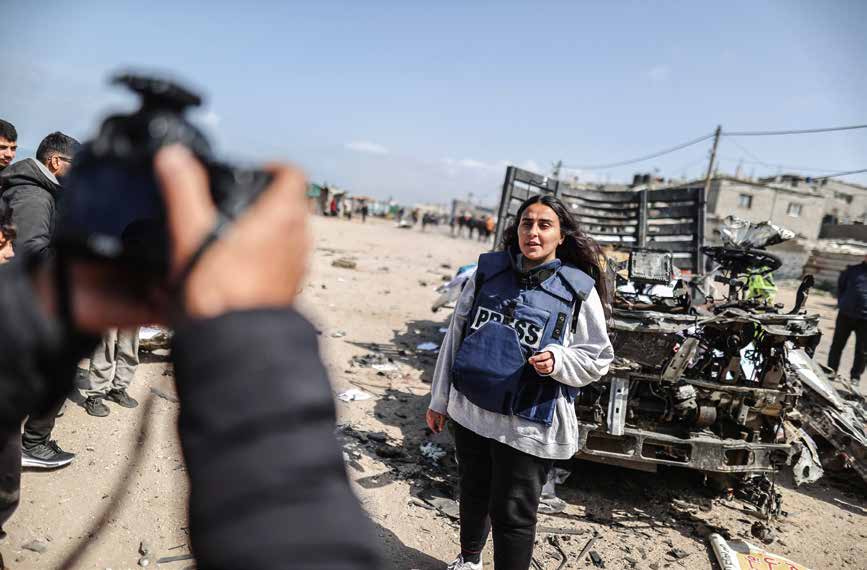

What is it like to be a journalist in Gaza? Can you tell us a little bit about what you’ve been through since October 7?
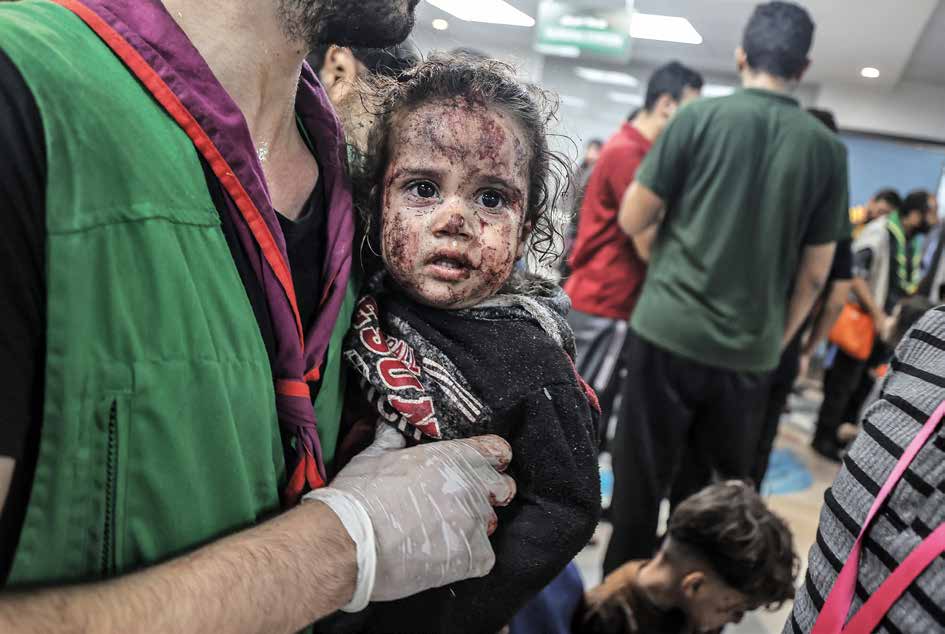
There has been an overwhelming emotional impact of everything I have been going through and reporting since day one of this war on the Gaza strip. Being always worried about myself, my family, my friends, the people I see… The number of torn up bodies I saw, the amount of blood, the smell of blood. Everything has been hitting me so hard. But at the end of the day, every single day, I used to ask myself what’s going on, what’s the thing that’s making me continue? Why am I still doing this? And it’s always because I believe that I need to raise the voice of the voiceless Palestinians in the Gaza Strip.
And I always had passion for reporting. And this is why I’m still doing this, 135 days into the war. It’s tiring. It’s heartbreaking. It’s dangerous. But there’s something, I don’t know what it is that’s making me continue to do this.
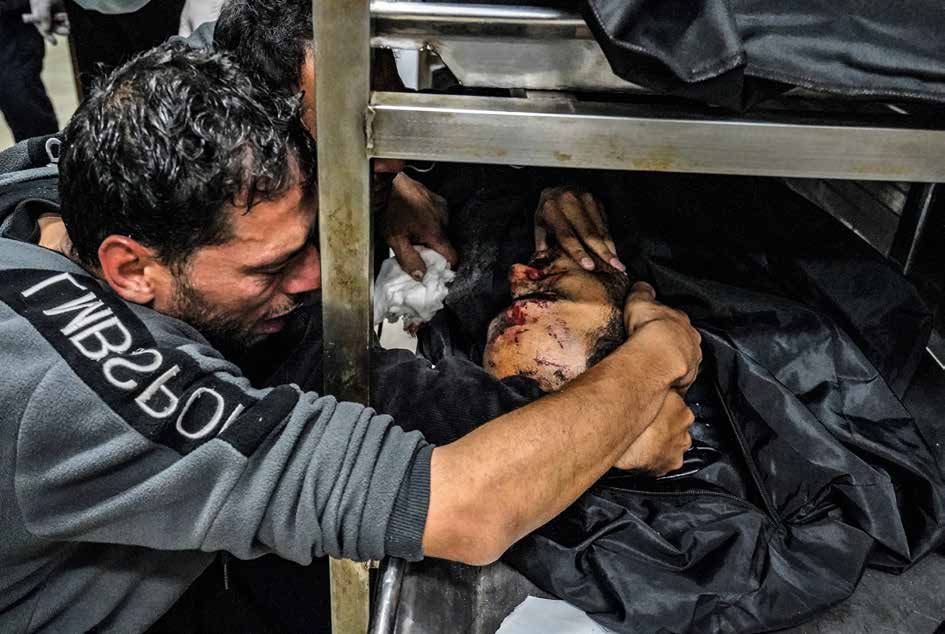
And I have been trying to help myself not to get very affected by everything I see, but it’s not working. Every single day I cry, every time I see someone saying goodbye to their beloved ones, every time I smell blood, every time I see something, it hurts me. But I try to continue and to control my emotions and be as objective as possible. It was very hard to continue work, especially after losing very dear journalists and friends. These people were there with us since the first day. We used to report together. We used to laugh together. We used to stand by each other and telling each other that this shall pass. But unfortunately, they left us in the middle of the journey. It has been very hard and terrifying. Being bombed and targeted by Israeli warplanes while trying to report on the unfolding incidents has been very, very hard. But it’s happening every single day. At least 130 Palestinian journalists have been killed since the beginning of this war. And we’re not safe. There’s no safe place in Gaza.
And I feel the risk and I feel the danger. That’s why when we go out to recover something, we’re in a group and we never leave each other, because, sadly, if we’re going to die, we want to die together. It hurts very much to lose people so dear to your heart.
The only way they can silence us and keep us from reporting is killing us.
Have you been harassed verbally or in a written way by Israelis because of your work during this time?
I have been harassed every single day on every single tweet I post on X, formerly Twitter. Every time I describe my feelings, every time I share a piece of news, they have been threatening me. I have been receiving emails. I have been receiving comments such as “We’re going to find you and kill you.” And they have been joking about me and mocking me on my X account, but I don’t really care. I really believe that they’re bot accounts, and if they keep mocking me and cursing me, like for as long as they want, it won’t affect me at all.
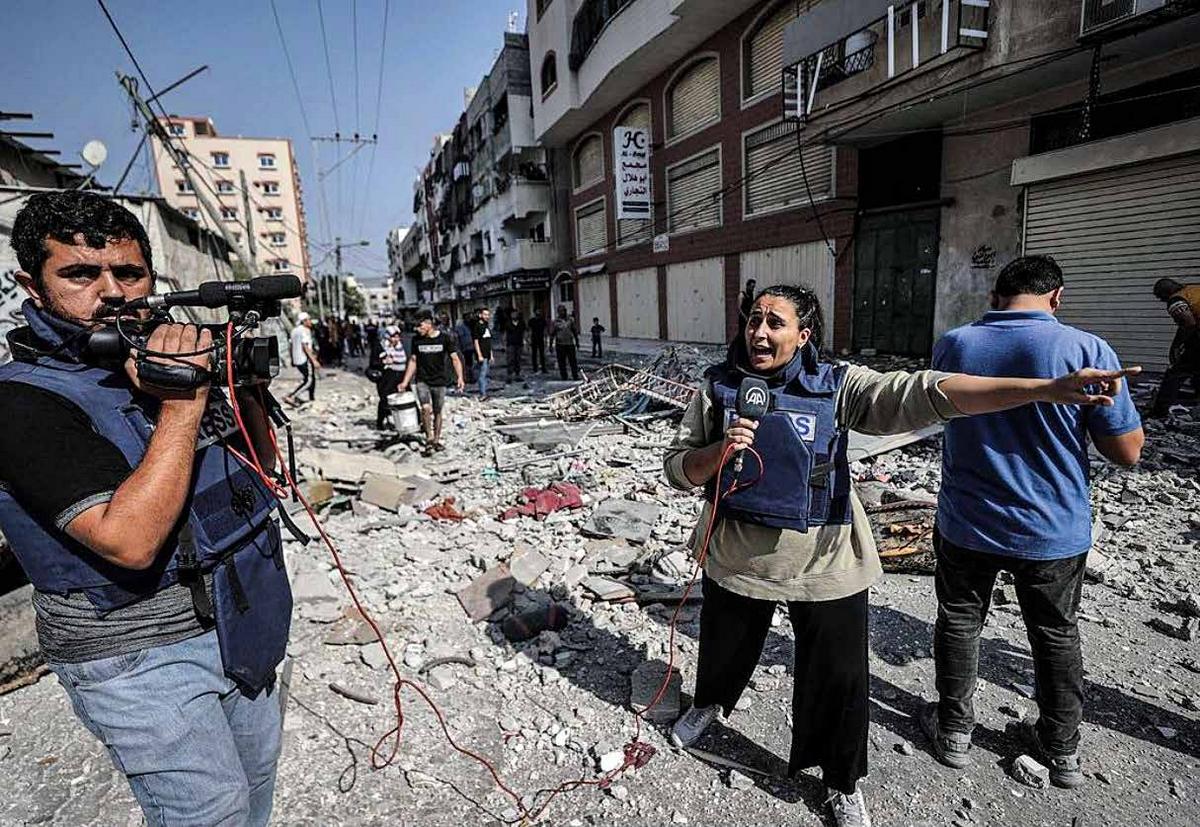
How do you go about your daily life under these relentless bombings?
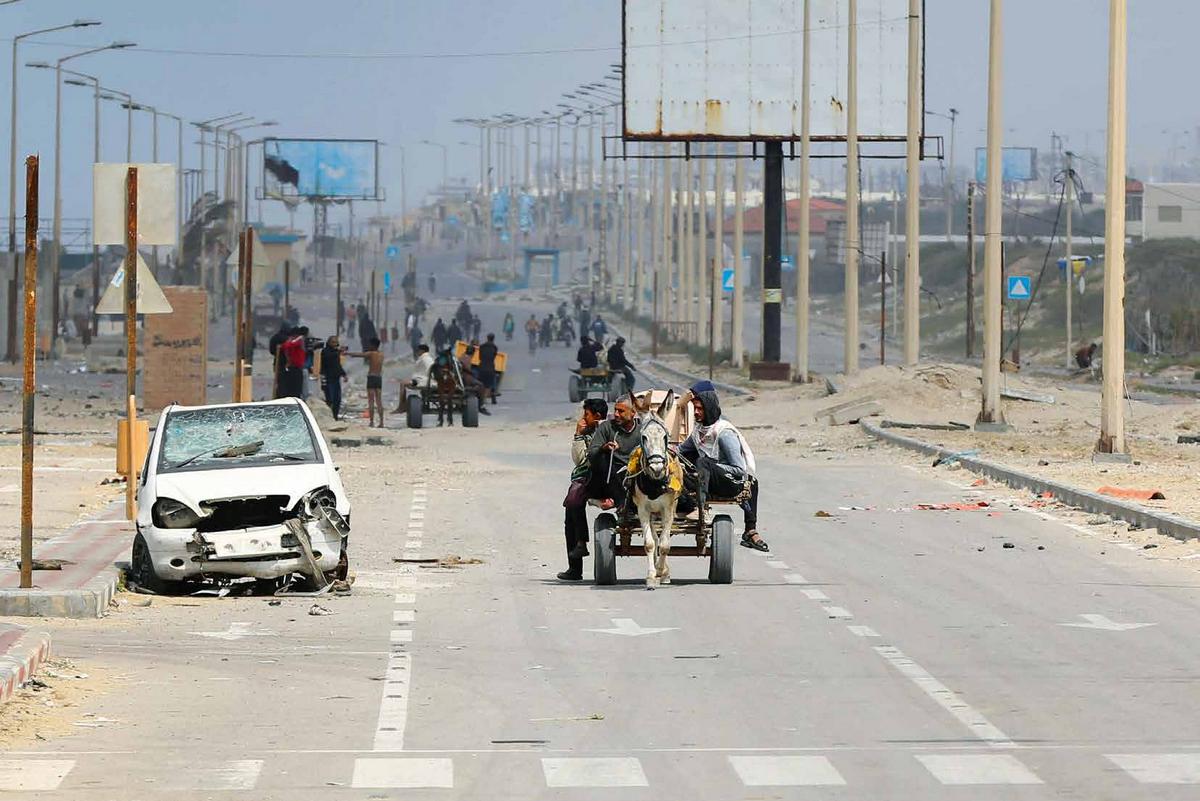
Life has been very challenging, especially since becoming displaced, a forcefully displaced Palestinian. And not only as a forcefully displaced Palestinian, but also a journalist, life has been very hard. We only have one meal per day. We sleep on the floor. Sometimes we can’t even sleep because there is a drone buzzing in the sky 24/7, and also because of the continuous airstrikes, artillery shelling, and gunfire… Not sleeping on your pillow and not being able to cover yourself with a blanket makes it worse.
This is a whole different thing; not seeing your mother or your family when you wake up has been very hard and challenging. I feel that going through these days taught us all a lot. Being displaced is very hard and I never thought I would live like this or report such incidents. I’m not only reporting on displaced people and displacement; I am myself one of these displaced people.
What do you find most challenging amidst this chaos?
There has been a lot of emotional challenges. Not being around your family, not being around your friends, not being able to hug and cuddle your loved ones is one of them. Everything’s emotionally challenging, and the fear my family feels every time I go on reporting, which is basically 24/7, has been particularly challenging for me. I always tell them, “I’m going to be okay, everything’s okay, don’t worry.” And the only thing that’s making me happy now is that my family’s safe now, having successfully evacuated out of the Gaza Strip.
Has there been a moment when you just couldn’t take it or couldn’t bring yourself to capture?
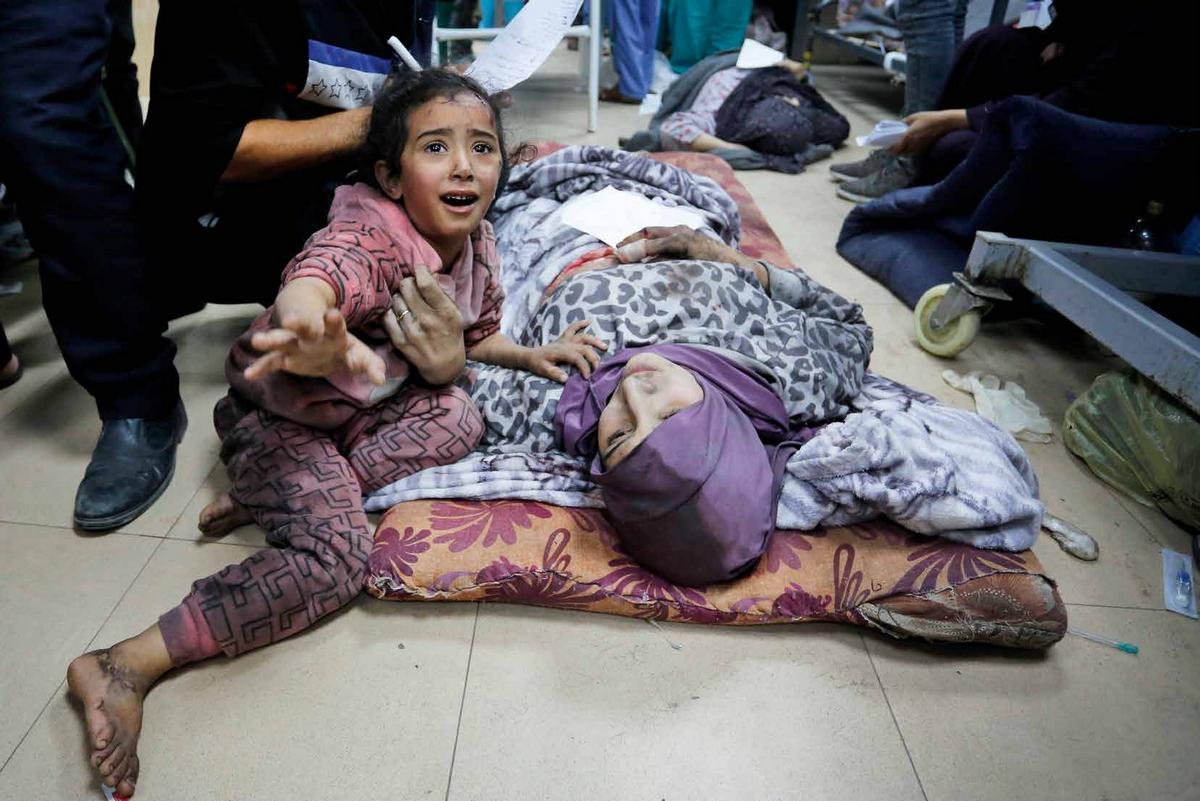
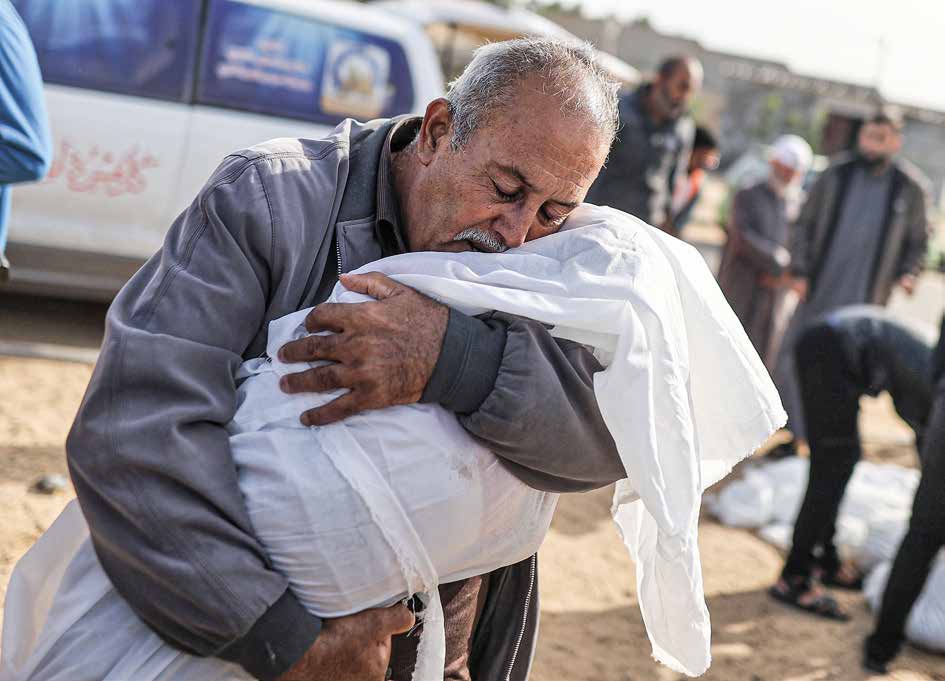
The moments that I can’t capture are the hardest ones. Hugging a mother as she lost her child and crying with her. Seeing a body scattered into pieces on the ground while the family are trying to recognize their loved one. Seeing people in a tent in the hospital looking for loved ones and not being able to recognize them because their bodies were torn up. Everything has been very hard, and sometimes my voice trembles and I don’t really know how to describe and express the scenes that I’m exposed to.
But there has been a lot of stories I wasn’t able to report because I didn’t -I couldn’t- put my words together to describe and express what’s happening. What’s happening is an ethnic cleansing, a genocide, and nothing can express and describe what we’re going through. Every day has been a very hard day on the Gaza Strip and us.
Have you ever contemplated leaving your profession during this painful process?
I’m going to continue reporting and I’m going to continue in the Gaza Strip until my last breath. Nothing -I’m serious- nothing’s going to stop me until this war is over, and I’m going to continue reporting until my last breath. The only thing that can silence me and end my reporting is an Israeli airstrike that would kill me. Other than that, I’m going to continue reporting. Sometimes I feel tired. I feel like I’m overwhelmed. I don’t feel like reporting. Then I take a break, but I’m never going to give up reporting.
I’ll continue reporting and this is a promise I made to myself, that I would be the voice of Palestinians worldwide. And I successfully did. I feel very happy when I see people chanting “Free Palestine” holding my picture along with those of other colleagues. And whenever I call people to protest, they tag me. And this makes me very happy that people hear us and they’re listening to our reporting.
Can you share your earliest experiences of October 7?
On October 7th, I was awake and suddenly all I heard was explosions. And at that time, I felt that something was not right. And I thought that my life had changed, that everything would change for the worse. Soon afterwards, we lost my family house. And I haven’t seen my family for more than 130 days now. But I believe that we will rebuild and everything’s going to be better and this is going to pass.