In December 2003, the International Criminal Tribunal for Rwanda (ICTR) convicted Ferdinand Nahimana, founder of Radio Télévision Libre des Mille Collines (RTLM); Jean-Bosco Barayagwiza, a high-ranking member of its board and a founding member of the Coalition for the Defence of the Republic (CDR); and Hassan Ngeze, editor-in-chief of the Kangura newspaper, for their roles in inciting the Rwandan genocide. The convictions were based on their media outlets’ dissemination of hate speech and direct calls for violence against the Tutsi population.
The ICTR found that these media outlets were instrumental in promoting the genocide, using dehumanizing language and broadcasting content that encouraged the extermination of the Tutsi. The tribunal emphasized the significant influence of media in such atrocities, stating: “The power of the media to create and destroy fundamental human values comes with great responsibility. Those who control such media are accountable for its consequences.”
Initially, Nahimana and Ngeze were sentenced to life imprisonment, while Barayagwiza received a 35-year sentence. However, upon appeal in 2007, Nahimana’s sentence was reduced to 30 years, Barayagwiza’s to 32 years (he later died in prison), and Ngeze’s to 35 years.
The tribunal’s decision underscored that media executives can be held criminally responsible for inciting violence and that freedom of expression does not protect speech that advocates for genocide or crimes against humanity. This case set a significant precedent in international law regarding the accountability of media in mass atrocities, emphasizing once again that media, as a vital institution, has a moral obligation to cover facts without bias and disseminate information without malicious intent.
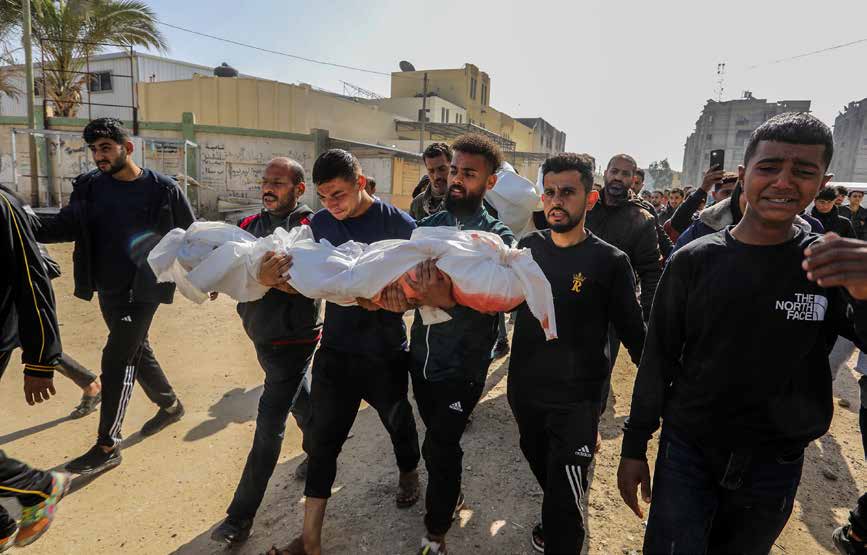
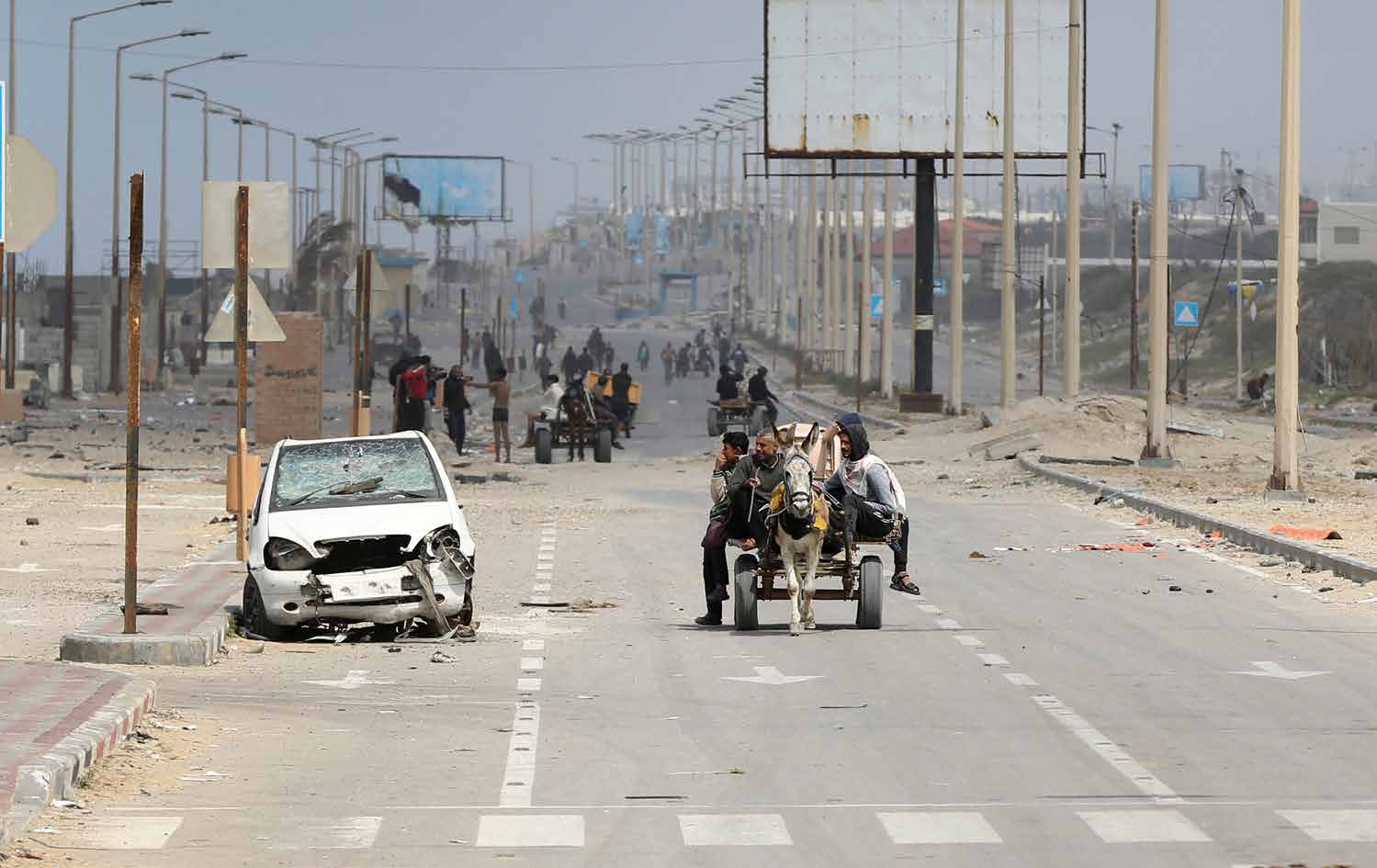
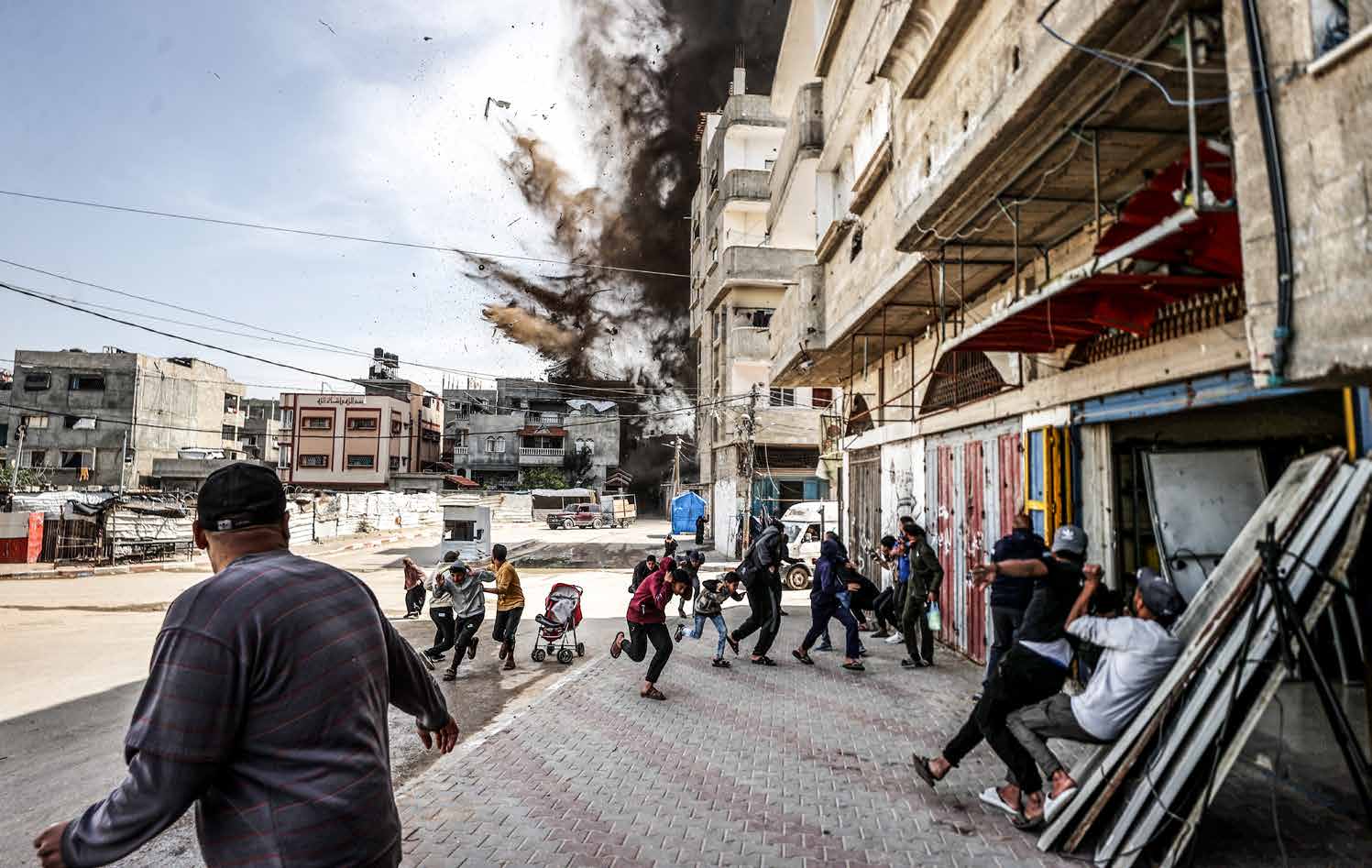
Viewed in light of this historic precedent, the dangers of today’s mainstream media discourse that downplays or legitimizes the genocide in Gaza, blames Palestinians, and obscures Israeli state crimes become more evident. Referring to slain Palestinian civilians as “terrorists,” labeling them “antisemitic,” portraying pro-Palestinian activists as “foreign agents,” and consistently associating Palestinians with violence all underscore the urgent need for a critical reassessment of how Western media is reporting on Israeli atrocities.
Whitewashing the crime of genocide
Craig Mokhiber, former Director of the New York Office of the UN High Commissioner for Human Rights, resigned after 32 years in the institution, citing the UN’s inadequate response to developments in Palestine. In his writing on the Western media’s pro-Israel bias, Mokhiber warned that if this stance persists, certain media outlets or individuals could, in the future, face genuine legal accountability—similar to that seen in the Nuremberg Trials and the International Criminal Tribunal for Rwanda (ICTR).
Mokhiber argued that Western media organizations have contributed indirectly to the genocide by disseminating disinformation and propaganda aimed at legitimizing Israel’s actions in Palestine, covering up war crimes, and dehumanizing Palestinians. He emphasized that such actions may be subject to sanctions under international human rights law.
According to Mokhiber, the pro-Israel stance of Western media not only facilitates the continuation of the genocide but also prevents the international public from grasping the true gravity of the situation. He contended that in the future, some media corporations or individuals could be held legally accountable for their roles.
In his article, Mokhiber cited the remarks of ICTR Judge Navi Pillay during the sentencing of media executives:
“You were fully aware of the power of words, and you used the radio—the medium of communication with the widest public reach—to disseminate hatred and violence…. Without a firearm, machete or any physical weapon, you caused the death of thousands of innocent civilians.”