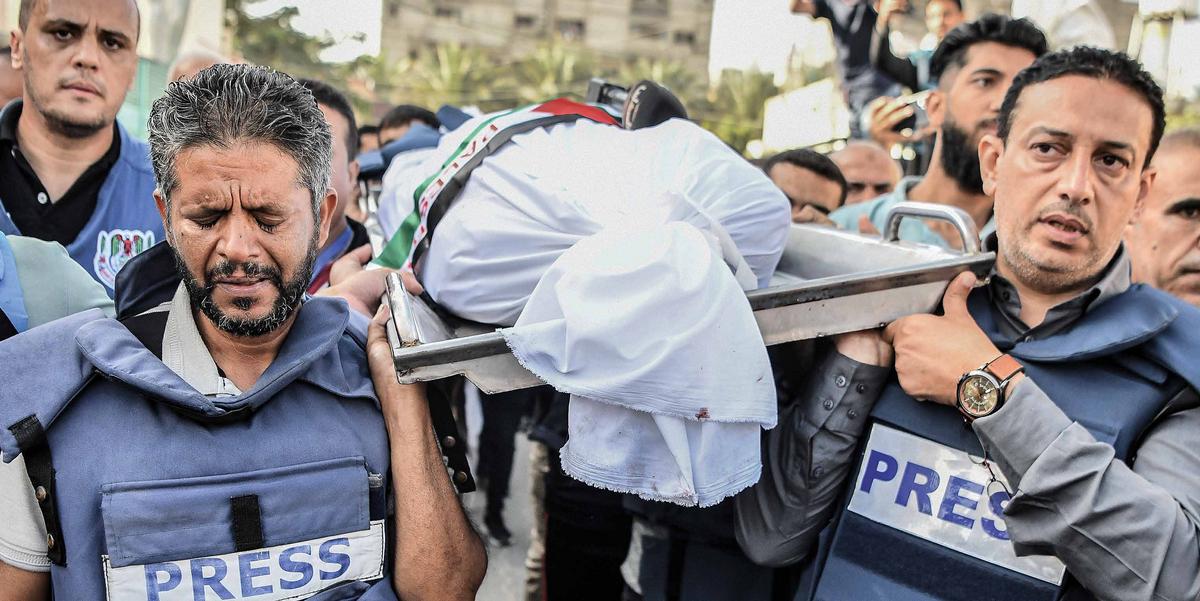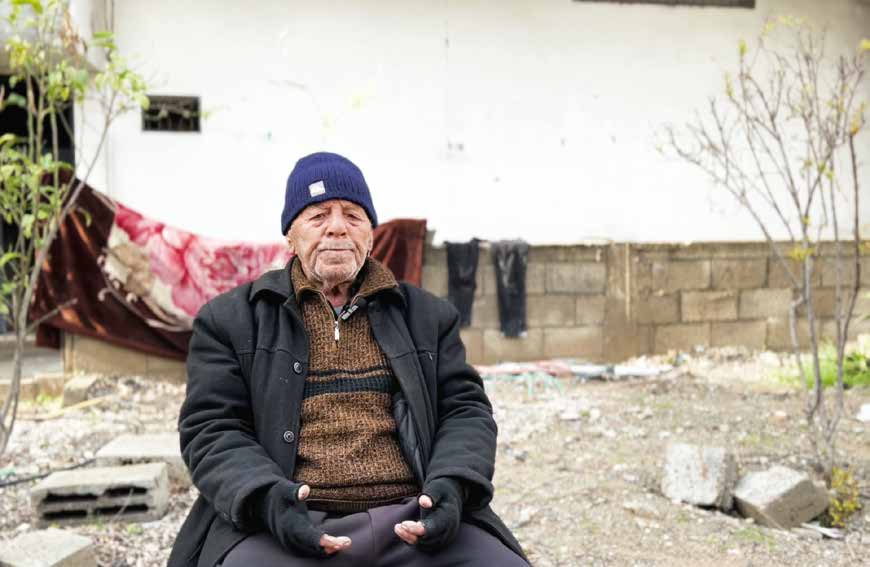

The people of Gaza have completely lost faith in Arabs and Muslims. They should never have allowed us to become victims of brutal attacks, destruction, slaughter, and bloodshed...
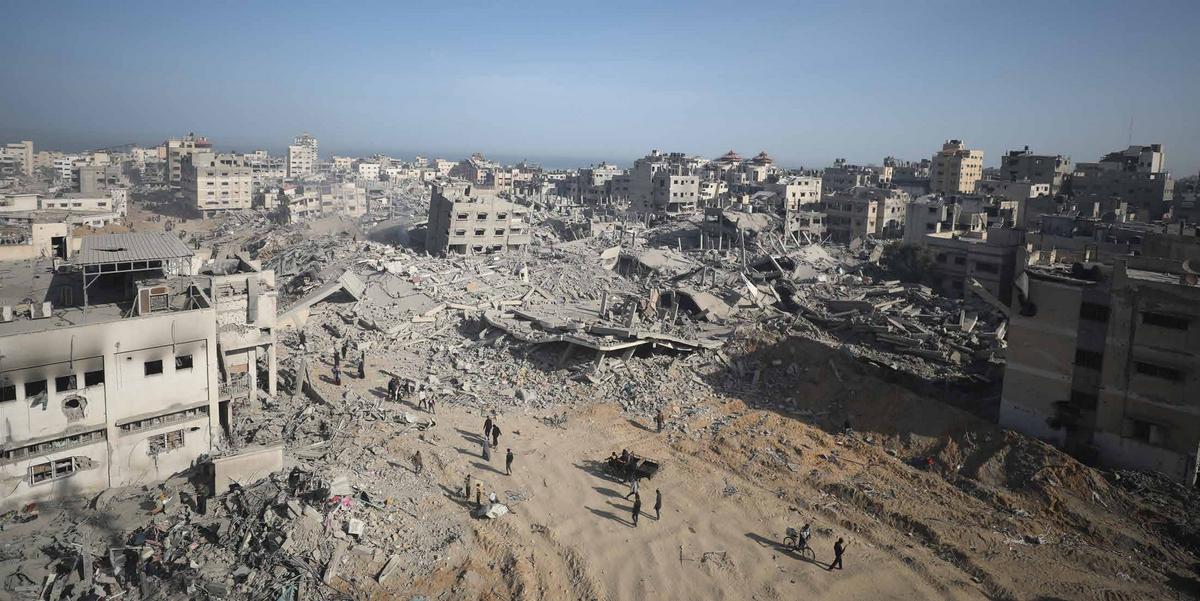
The devastation in Gaza surpasses even the darkest periods of history, including the Hulagu era and the Hitler era. The Arab world and indeed the entire world remain shockingly silent in the face of these atrocities.
Consequently, the people of Gaza have lost all hope and trust in them. Who among us can still speak of Arabs and Muslims with any confidence? Arabs and Muslims have lost all credibility because they no longer wield any influence on global affairs; their impact has dwindled to nothing.
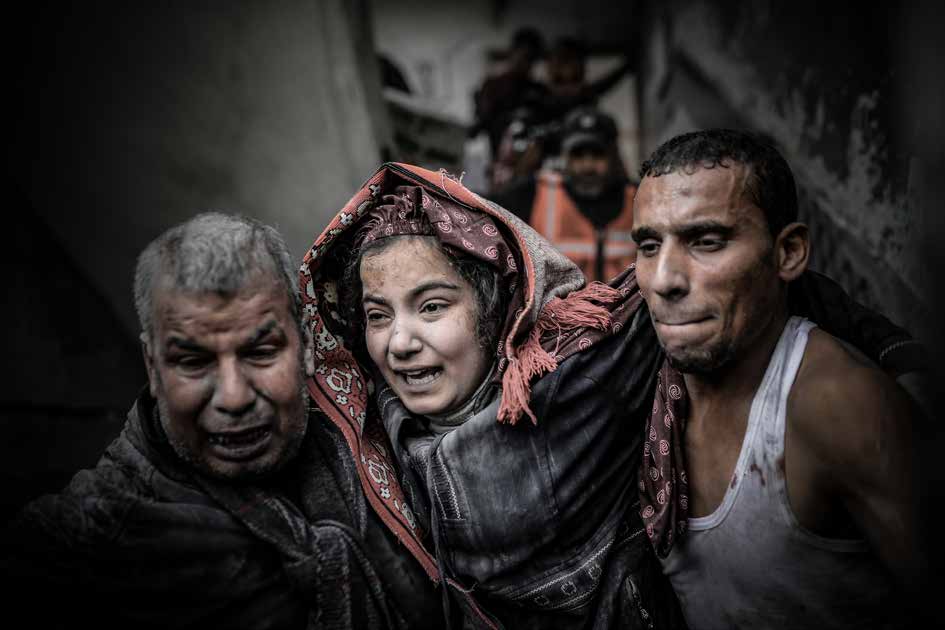
As a result, our trust in Arabs and Muslims has been shattered. Life and death hold little distinction for us anymore. The people of Gaza are enduring unimaginable hardships; they struggle to find soup to drink, food to eat, firewood for warmth, and even clean water. In such dire circumstances, the line between life and death blurs. Many have lost all hope and even harbor a desire for death. With homes demolished, families destroyed, and children slain, Gazans have been stripped of everything. For them, the desire to die often outweighs the will to live.
The entire world is two-faced, my brother... It’s a world filled with hypocrisy. I mentioned that our influence as Arabs and the Islamic Ummah is practically non-existent. I fail to comprehend why America greenlit this massacre and devastation. Mr. Biden, do you not regard the Palestinian people as part of humanity like the rest of the world? Have the Arabs and the Islamic Ummah not reminded you that we, too, are part of the human family? If so, why do you turn a blind eye to these atrocities, this destruction, and these massacres? People are perishing, their homes reduced to rubble by bombs. All this unfolds before your very eyes. Spare me the rhetoric about human rights; don’t dare speak to me about human rights again. We don’t trust you; your word holds no weight with us. You exploit these matters for your own gain; your words are hollow slogans.
On the flip side, these hardships and disasters we endure draw people closer to one another. The relationships among those seeking refuge in this school, among those striving to make a living in a classroom, are deeply harmonious and fraternal.
Adversity tends to bring people’s hearts closer together. At present, the bond among individuals here facing such trials is stronger than those outside who are not confronted with such calamities. We pray that this unity among people will persist.
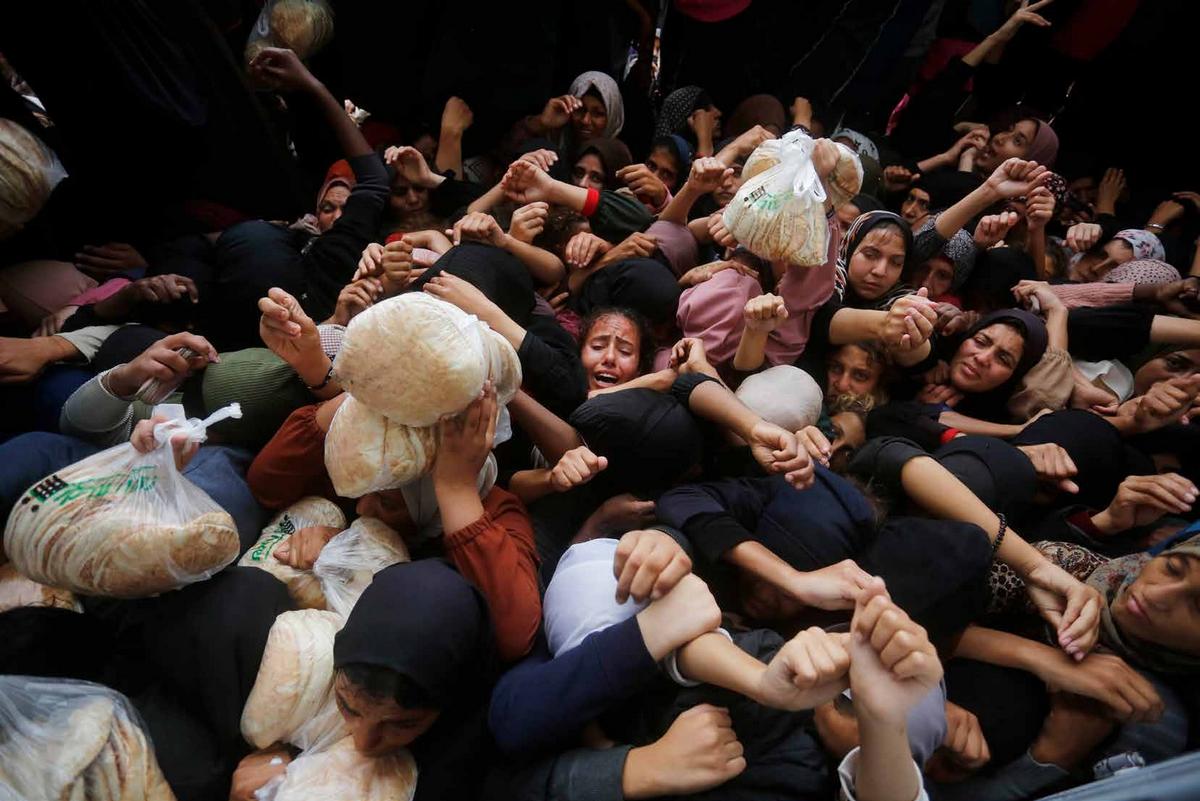
Conditions are exceedingly harsh under this suffocating blockade. It’s a struggle to even find and afford a kilogram of rice. The situation is dire. Above all, there is a shortage of flour, essential for making bread. Prices have skyrocketed beyond reason.
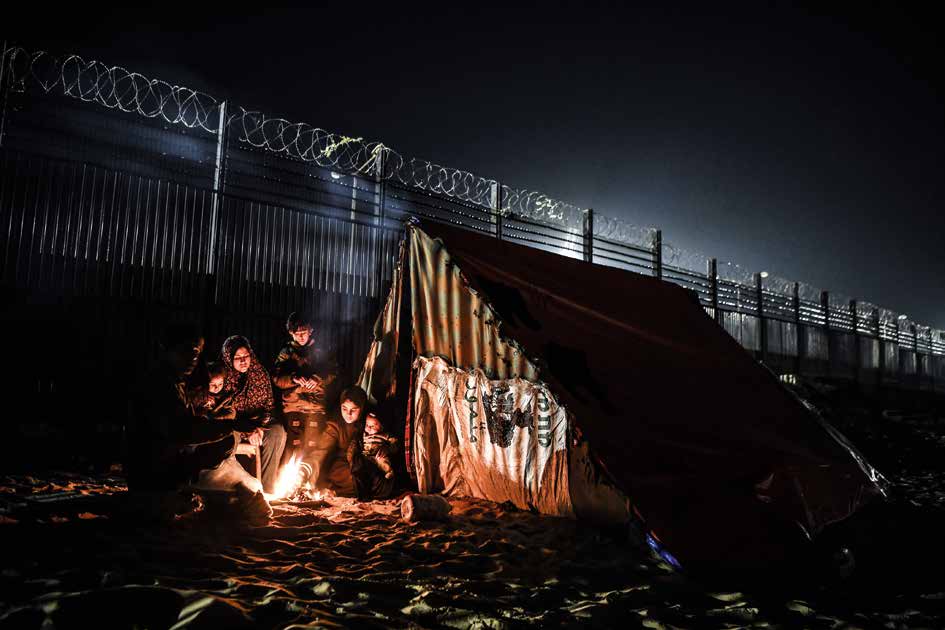
Let’s say we manage to obtain the rice; then, we search for wood to cook it, but we come up empty-handed. The doors of our homes have now become fuel for fire. It’s the door of a room that’s feeding the flames now - my room’s door, to be exact. It’s now permanently open because we burned it for cooking. We’re trying to eke out a living under these conditions. For instance, we have to trek three hundred meters just to fetch a bucket of water. These are not trivial matters.
We’re in dire need of everything. But there’s no money. People are destitute. Basic food items are everything, and there is no money. What’s more, no one seems to inquire about our situation. It’s as if we don’t even exist.
Where are the Arabs? Where are the Muslims? Oh, Arab world, oh, Islamic world! We’re being massacred and decimated right before your eyes. Don’t you have any influence whatsoever? Where is the Arab League? Where is the Islamic Union? What kind of people are you? Have you forgotten the Quranic promise that you are “the best community brought forth unto mankind”?
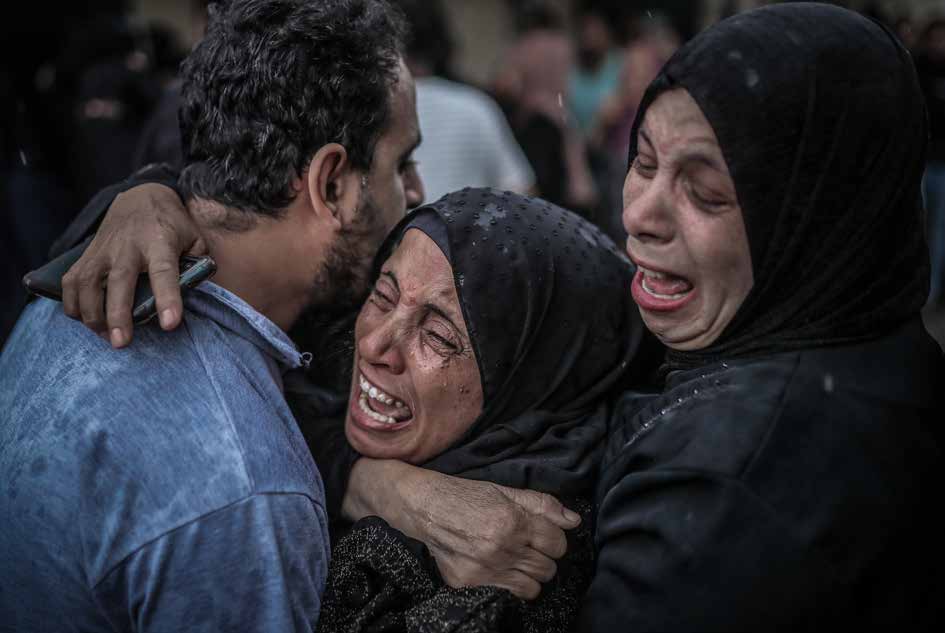
Oh, Arabs; We’ve been annihilated, we’ve perished, we’ve been slaughtered. We’re at our breaking point. We have nothing to eat, nothing to drink...
I seek forgiveness from the Almighty... I seek forgiveness from the Almighty... I seek forgiveness from the Almighty...
Right now, I’m here awaiting death. I don’t know where my children are. I don’t know where my grandchildren are. I’m in the dark about their whereabouts. Are they in Gaza? Are they in Rafah? Are they in Khan Yunis? I wish there were means of communication so I could hear from them.
I am consumed by constant anxiety and sorrow, day and night. I yearn to know my children’s whereabouts and if they are safe. Do they have enough food and water? Where are my grandchildren? Where are they? I sit here in this state of uncertainty, drowning in sadness and despair, unsure of what to do. I have not heard from anyone, and the anguish is overwhelming. I do not know where my sons are, where my daughters are, where my grandchildren are. O Lord, grant us relief! O Lord, grant us relief!
O Lord, grant us relief! You are our only refuge. You see all, near and far. Take vengeance on those who have brought us to this plight. We have no sanctuary but You. You alone have the power. Remove this affliction and calamity from us.
O Lord, lift Your anger and wrath from us. Do not abandon us to the hands of these oppressors. We are weary, O Lord; You witness our plight. Treat us with Your boundless mercy.
Alas... Where are the Arabs... Where are they... Where are they...