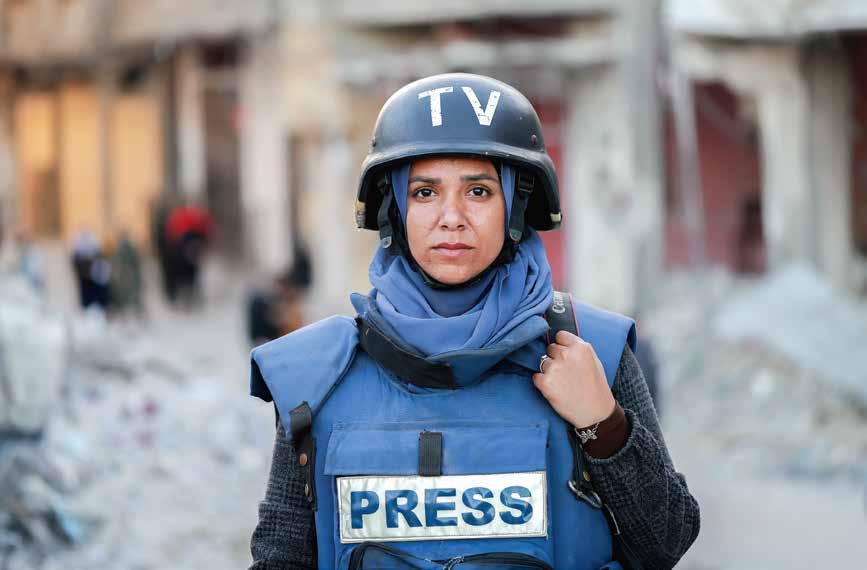

How does it feel to witness and be involved in the incidents unfolding, to work face to face with the risk of death?
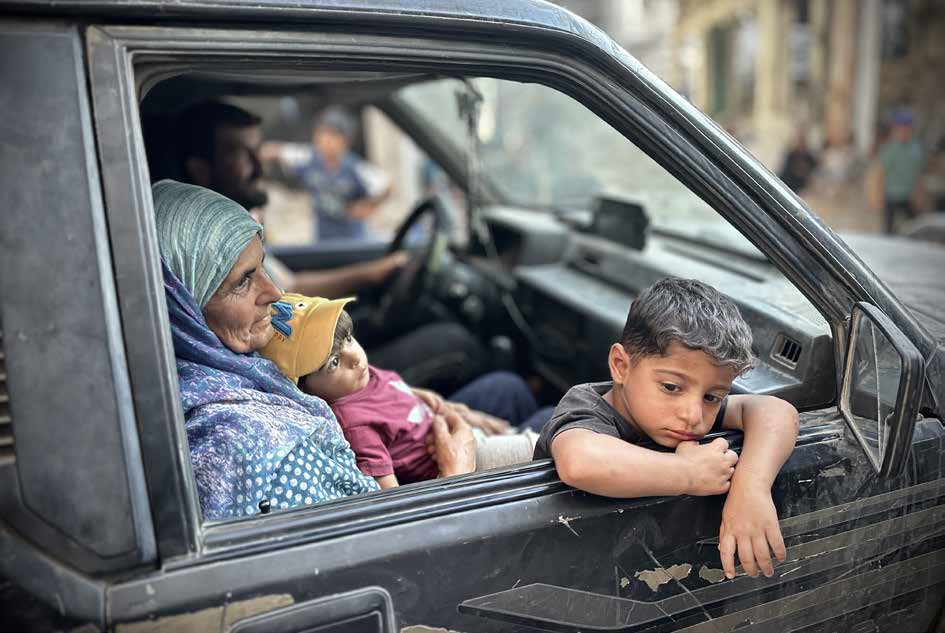
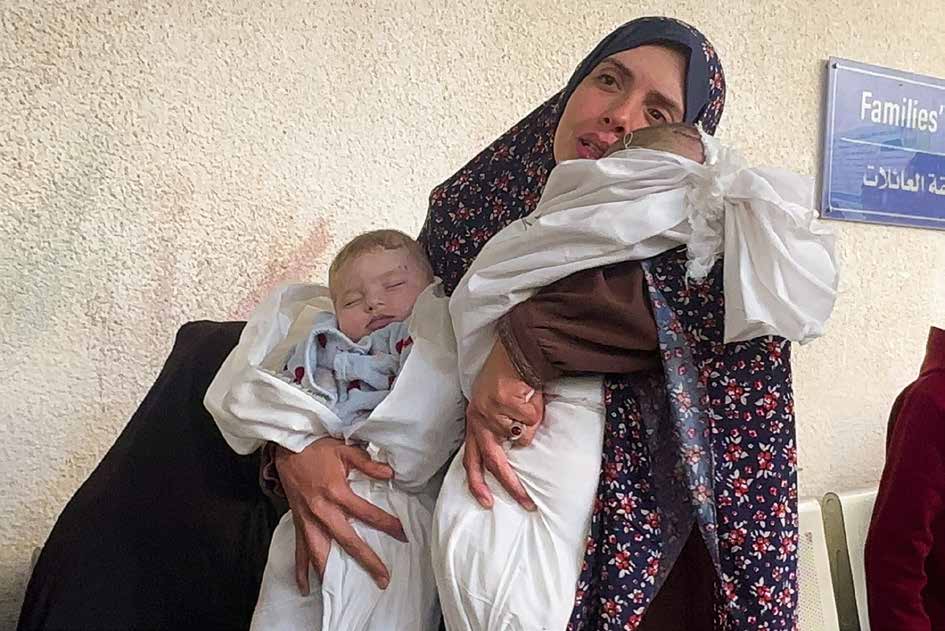
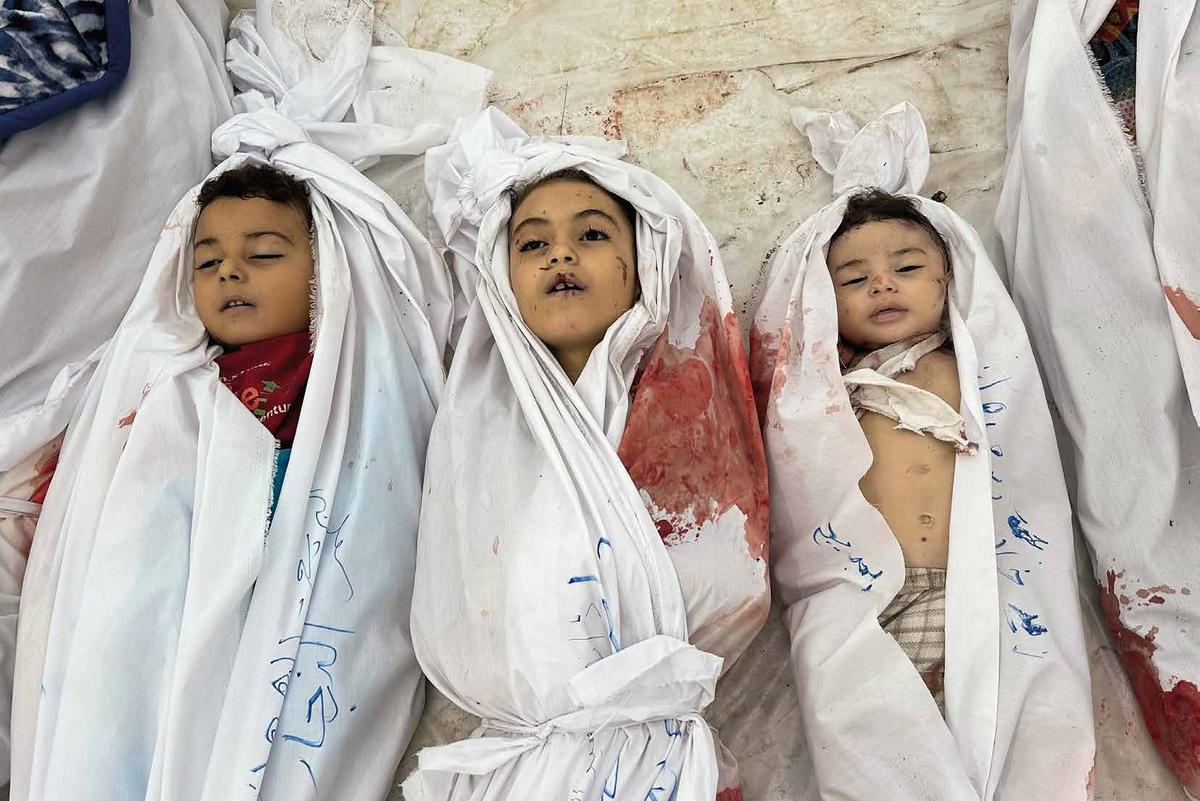
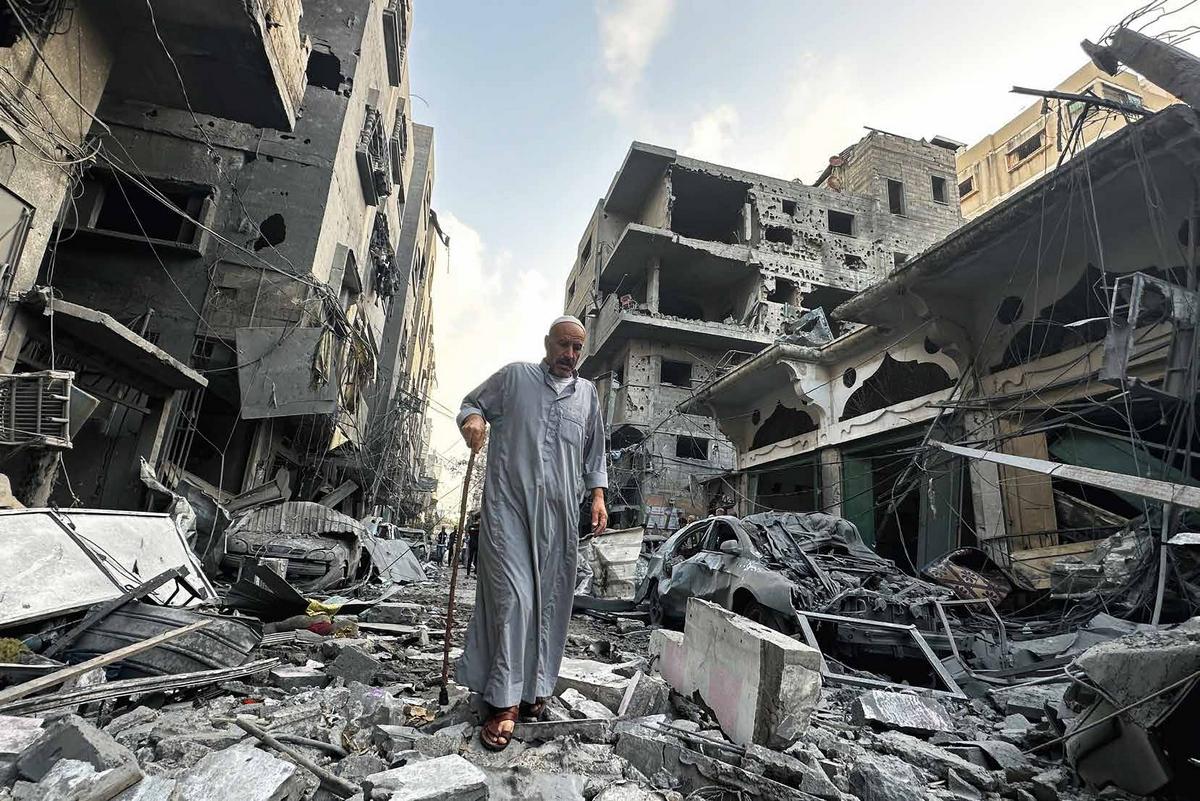
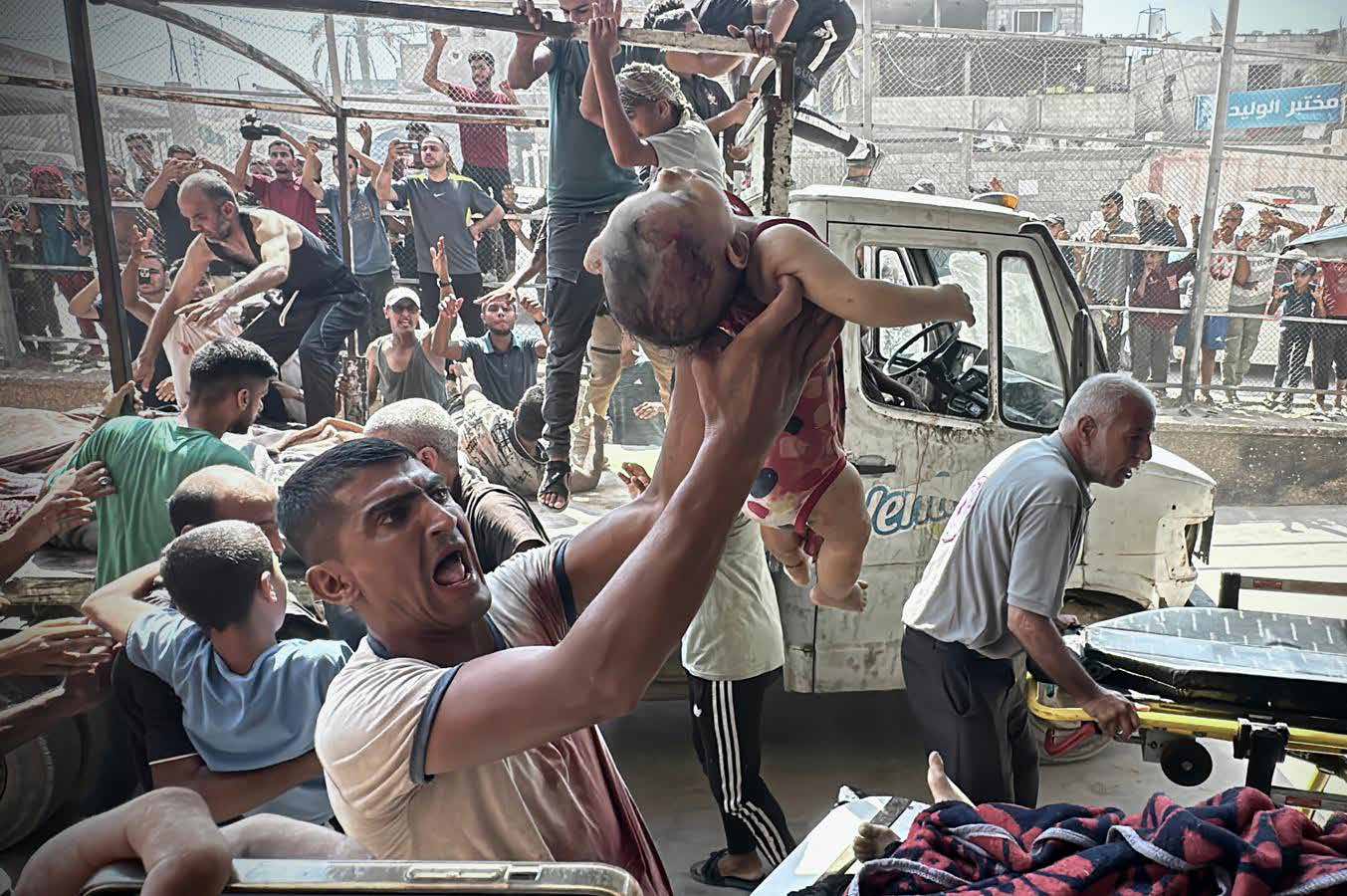
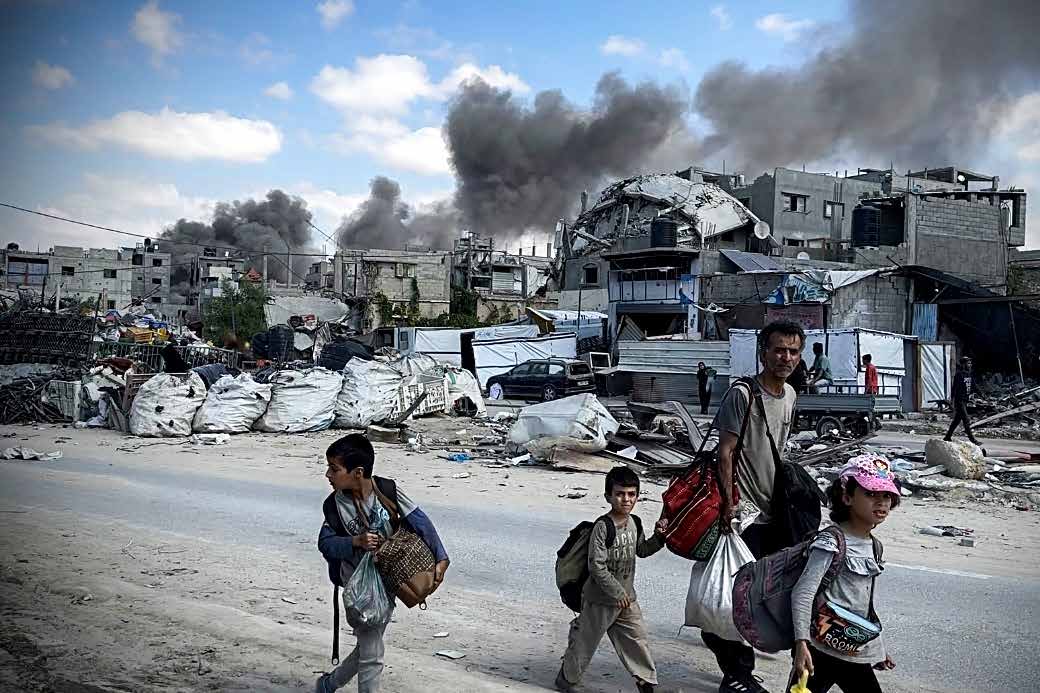
In fact, we are exposed to risks all the time. We go to squares, we shoot the events, we capture the bombings, the destruction; we photograph the children, the women who are massacred, those who have been buried, those who have to leave their homes...
It is not really possible for us to guarantee our own safety because we can be targeted at any time. The occupation army does not discriminate between journalists, civilians, or whoever it is. We can be targeted wherever we may be while working.
How does it affect you to keep working while your colleagues are martyred?
We will not give up our media duties. We are still working day and night. We strive to convey the war in the Gaza Strip, the war of genocide, the massacre of children and women.
When one of our colleagues is martyred, we share their news with the whole world. Even if our friends depart from us, we continue along their path. We persist in our broadcasts with sound and video, and we will never surrender to Israeli tyranny.
Working in Gaza is challenging for everyone, but can you tell us about your experiences as a woman, as a woman journalist?
Our daily life mirrors that of any other person in the Gaza Strip. We have been subjected to constant displacement; always on the move... First, we were in the Al-Shifa Hospital. We were expelled from there, and then we were expelled from the Al-Aqsa Martyrs Hospital. We are shuttling between the Nasser Health Complex located in Khan Yunis and the state hospital in Rafah City. Now, once again, we are on the move.
Despite the myriad challenges, we persist and resist. We carry out our duties to the best of our abilities. We’re on the move all the time, documenting the crimes committed by the occupiers. Despite all the difficulties we face and the needs that we constantly encounter on a daily basis, such as food, medicine, and equipment, we continue our duty.
As female journalists, our challenges are compounded due to our unique circumstances. We operate in the field without proper shelters. For instance, I am staying at the rear of the hospital, facing significant risks due to the constant threat of bombardment. Access to water is limited, and obtaining food is also a significant challenge. The situation is truly painful and utterly disastrous.
What will the Palestine of tomorrow be like?
By God’s grace, Palestine will be liberated from the Israeli army. Currently, we are entrenched in total war and complete destruction. Our immediate priority is the cessation of the war in the Gaza Strip. Only after achieving that can we contemplate our future and explore the options the world may offer, as our plans were swiftly undone by the invaders who came in the blink of an eye, shattering our dreams. Our focus now is on preserving our lives.
How do you assess the world’s approach to what’s happening in Gaza?
Unfortunately, the world has badly disappointed us in terms of aiding our people in Gaza. Despite the global awareness of the events unfolding in the Gaza Strip—seeing the war, the massacres, the genocide, the targeted children and women, and the forceful displacement—it has, unfortunately, remained a mere bystander to these attacks. The relentless war against our people in the Gaza Strip continues, with today marking the ninety-seventh day of Israel’s aggression.
Has there been a moment when you wanted to quit your job or leave Gaza?
It’s challenging for me to consider leaving my field. I won’t abandon this profession because capturing audio and video footage of the events in the Gaza Strip is crucial. If I don’t document these incidents, the world won’t know what is transpiring here—the fears of the people, the ongoing destruction. With the deliberate cut-off of communication networks by the invaders, they aim to conceal the crimes committed and hinder our messages from reaching the outside world.
I dream of traveling as a global press photographer one day, covering the challenges faced by other nations.
I have discovered once again that I love Gaza very much. Gaza is our honor. Despite the burning of every place, the destruction of my house, the fact that my family had to leave, I love everything about Gaza.
So, you will not quit your profession?
No, I won’t quit my job, I’ll just keep doing it.
Has there been a story where you felt your camera or pen just fell short of conveying the facts and feelings at the scene?
As journalists, we confront numerous scenes with various challenges. However, documenting certain incidents proves to be extremely difficult. The hardships faced by people, the plight of injured children...
In such instances, I approach the situation as a human being, temporarily setting aside my journalistic duties in the field. When I encounter injured children arriving at a hospital without any family or relatives, I put my work on hold, cradle the child in my arms, and see through their treatment until a family member arrives.
There are scenes that I find myself unable to capture. There are images so emotionally overwhelming that I disintegrate in front of them. For instance, while documenting the Engineers Tower, which had collapsed with residents inside.
Imagine such a disaster befalling innocent people. The homes of people going about their daily lives innocently are destroyed all of a sudden, and they are left under the rubble, where they writhe in agony, trying to continue to breathe. In such cases, I don’t want to take the camera in my hands, I don’t want to shoot. Indeed, I can’t even write the letters I want to write. I find myself unable to express anything because what’s happening in Gaza is far beyond what we are able to convey with our photos and stories.
What was the moment that you found most difficult to bear?
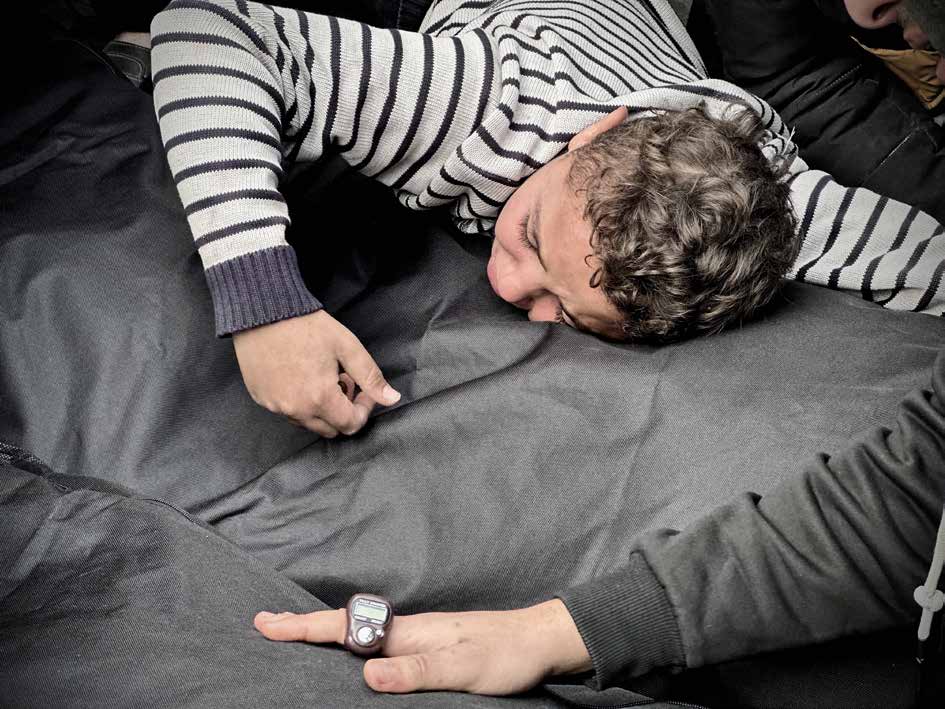
There was indeed such a scene that I can’t forget. There was talk of a ceasefire. The Al-Aqsa Martyrs Hospital had been struck. At that moment I decided to go and photograph the scene. I’m holding my camera and shooting that scene. Suddenly, I realized that the people whose photos I was taking were my family, my relatives. I was paralyzed at that moment, at a loss about what to do. I tried to figure out who they were by looking at their faces. I saw that they were my uncle, my uncle’s wife, my uncle’s two sons, and their children. The scene was truly shocking. There was no way I could handle this scene. The children had been completely torn apart. My uncle and his wife were almost unrecognizable. Such painful images for me...
Also, two of my maternal aunts were martyred in the Jebaliya Camp. One of my aunts was already sick. She couldn’t even take her medications, because she no longer had any. The occupying force had occupied the Turkish Hospital. They had also blocked the roads leading to it. It’s a truly tragic situation.
Do you intend to undergo psychological treatment or quit your profession after leaving Gaza?
I will never quit my profession. I really love it. But after the war is over, I may leave to get psychological treatment. In fact, we will all need a lot of postwar treatment sessions. We need to be able to pull ourselves together, gain self-confidence, and simply rest, because no one knows what we’re going through, what we’re feeling. So much so that it is very difficult for us to even try to pour ourselves out by crying. We’re experiencing such fast-paced, overwhelming events, moments that we just don’t have the time to turn inward and see what’s there.