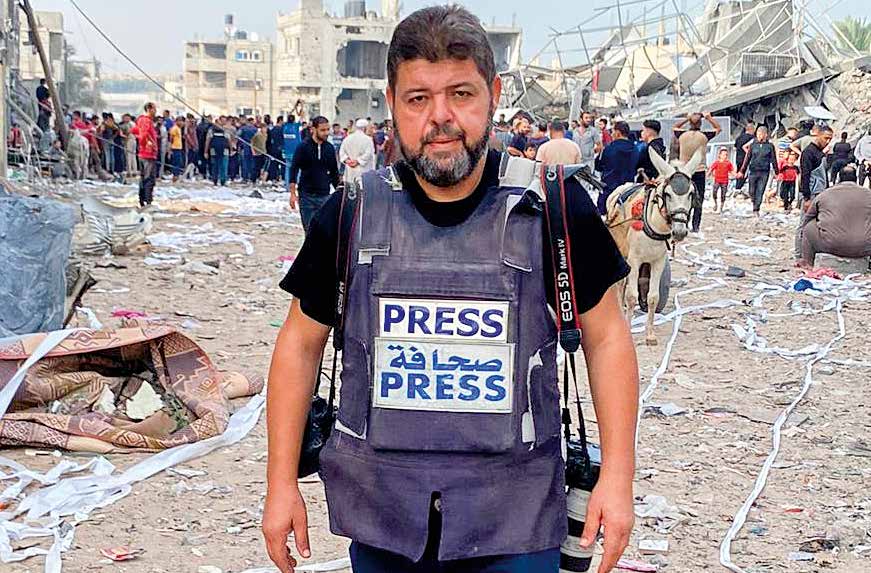

How does it feel to witness and be part of the unfolding events, especially when working under the constant threat of death?
In the name of God, the Beneficent, the Merciful.
When confronted with scenes of ongoing events, the looming presence of danger and the constant threat of death are undeniably unsettling. Just last Friday, and similarly three days prior, we found ourselves in the throes of such peril. The partial withdrawal of Israeli tanks to the west of the city of Khan Yunis, following their entry into various locations, triggered a surge of intense fear within us.
Our mission led us to the heart of the turmoil, where we aimed to cover the developments surrounding homes, factories, Al-Aqsa University, and the Al-Khair Welfare Hospital. Unexpectedly, an Israeli vehicle emerged before us, unleashing a barrage of gunfire upon the people and ourselves, bullets whizzing dangerously overhead. Miraculously, we emerged unscathed; we offer our unscathed; we offer our gratitude to the Almighty for sparing us. The brush with death instilled in us a profound sense of fear and anxiety. In that moment, the gravity of our fear was palpable, prompting us, without exaggeration, to fervently recite the proclamation of faith (shahâdah) in response to the unsettling reality unfolding around us.
How does it impact you to continue working in the field while your colleagues are martyred?
Undoubtedly, it's an arduous and bitter experience, marked by profound sadness. Yet, it underscores the resilient nature of life, and we’ll keep reporting. We persist in documenting all the atrocities committed by the occupying forces of Israel. Despite the overwhelming sorrow that grips our hearts, we press on with our journalistic responsibilities.
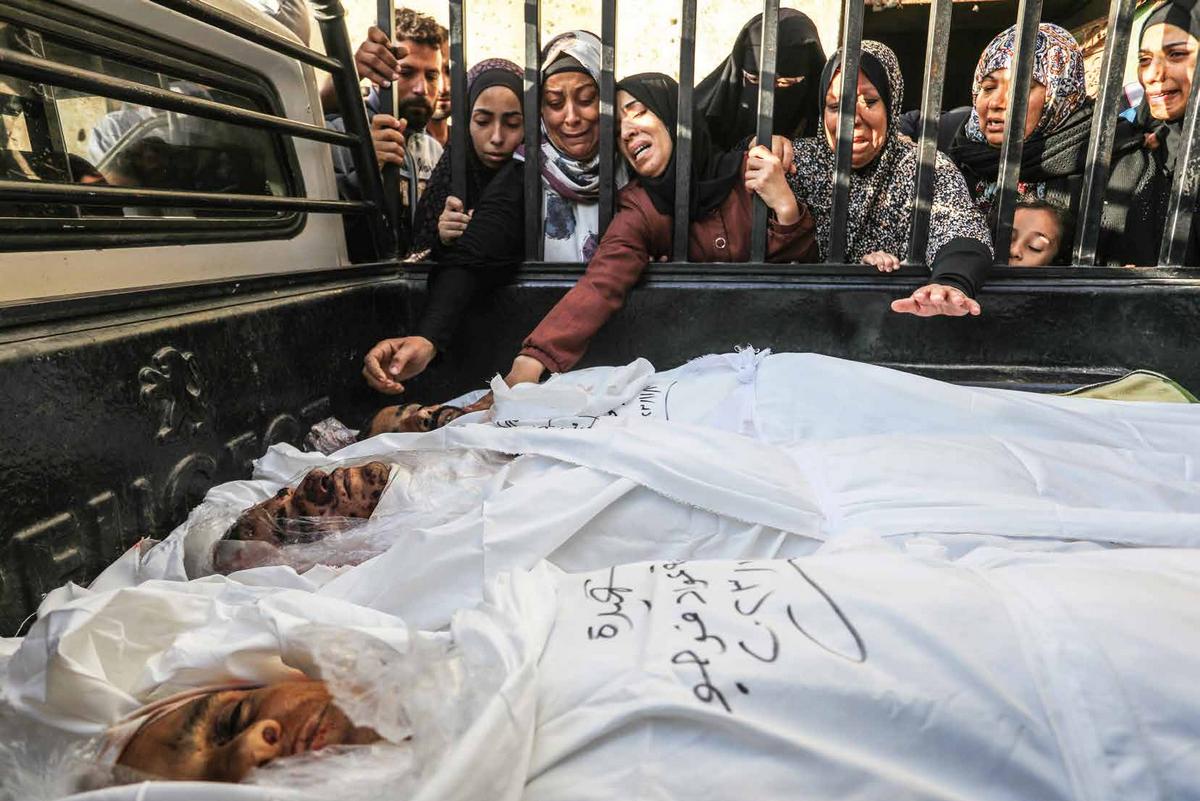
In the unfortunate event of a colleague or fellow photojournalist being injured or martyred on the frontlines, the psychological burden is truly heavy. Nevertheless, regardless of the challenges we face, we are determined to overcome them. As journalists, it is our solemn duty to report these crimes, to communicate this urgent message, and to narrate the unfolding events to the world. The Gaza Strip’s plight is thus laid bare for the world to witness.
How does your daily life continue?
We navigate our daily routines as individuals living amidst constant conflict. Each day, we embark early on our journeys in the city of Rafah or Khan Yunis -if we can enter them-, striving to document any unfolding incidents. Our tasks involve transforming the tragic events, particularly those involving martyrs, into news reports fit for broadcast. Daily life is overshadowed by profound psychological tension, a reality not unique to me but shared by all. The continuous stream of events takes a toll on our mental well-being, leading to a gradual deterioration and weariness. Yet, we thankfully find the strength to overcome these psychological burdens and continue our daily lives.
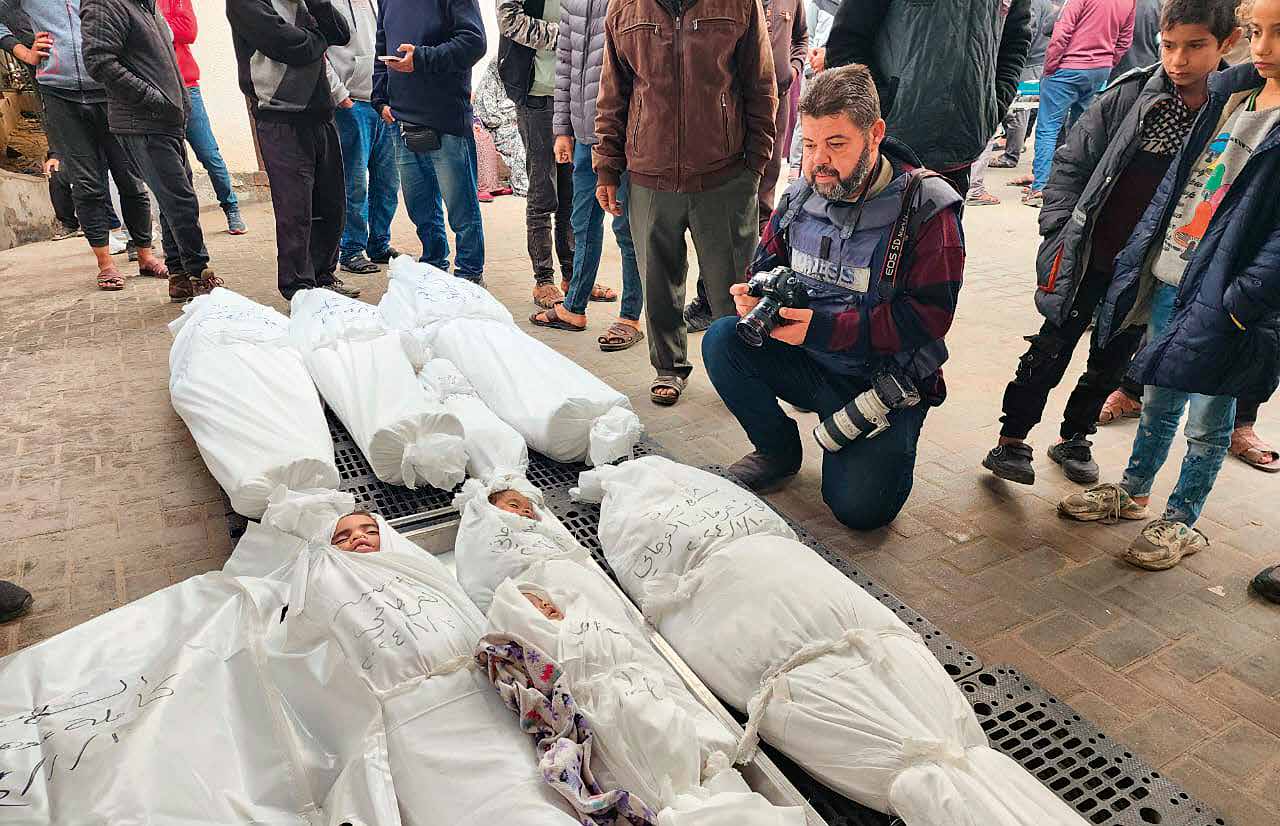
What lies ahead for Palestine in the future?
My friend, to the question of what the future of Palestine will look like, let me express my hope and belief that, God willing, it will be a time of beauty and prosperity. We aspire to witness a better tomorrow, with the reconstruction of Gaza and the entire Palestinian territory. Our collective dream is to establish an independent state, free from obstacles and aggression. With the grace of God, we envision such a Palestine.
How do you assess the world’s approach to what is happening in Gaza?
People all over the world are desperate and unable to help Gaza because Israel is regarded as a superpower in the Middle East and is supported by the United States. There is nothing that the people of the world can do. They cannot do anything other than what is currently being done unless the entire world and the Arab countries are united, and we hope that this will be the case, God willing.
Was there a moment when you considered quitting your job or leaving Gaza?
I will not abandon my work unless death comes upon us by God's decree; on the contrary, we will not abandon this message and this trust. A journalist, especially a photojournalist, carries a message to the world. It is a trust that we must fulfill so that the world can comprehend the realities unfolding in Gaza.
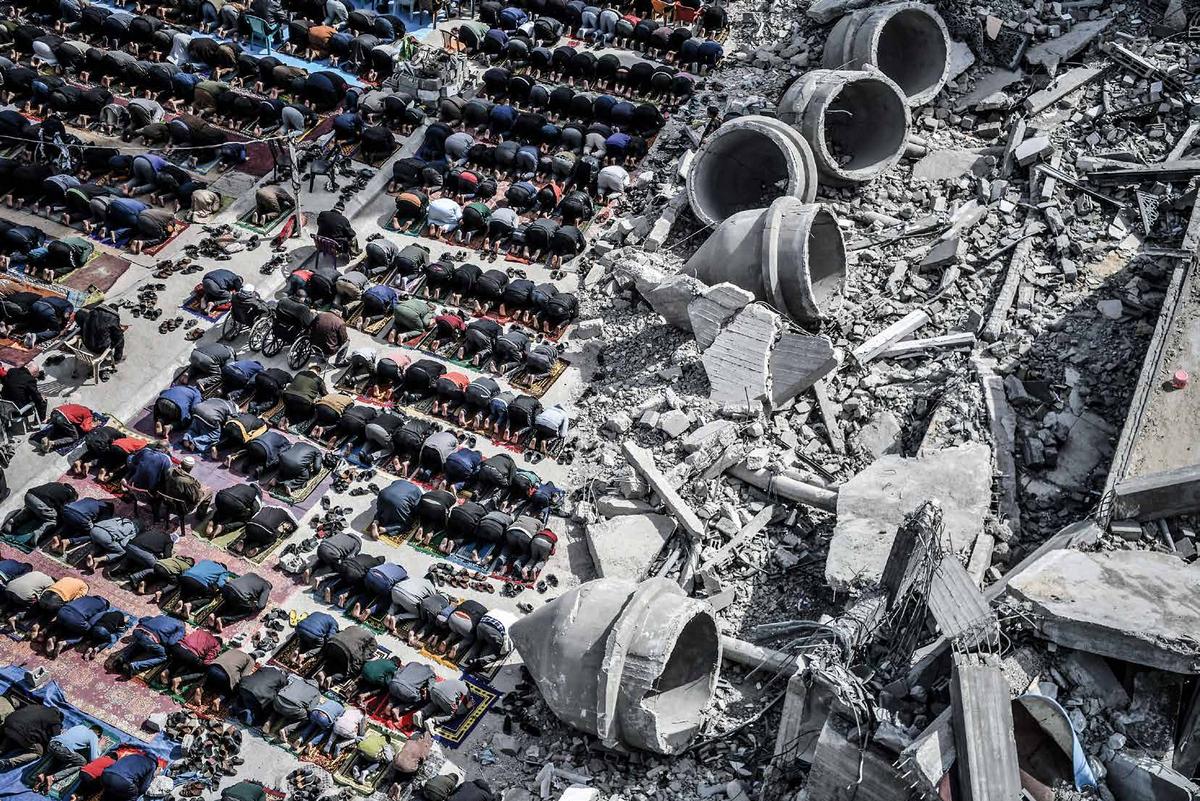
The enemy acknowledges no principle of the law of war; this is a brutal war waged by those devoid of mercy, sparing not even the trees and stones. However, when it comes to a permanent departure, the answer is a resounding no. No, we will not permanently leave. The intention is solely for a brief respite, and then I’ll return to my work, my home, my family, and my hometown.
During this period, have you been exposed to any verbal or written harassment from Israelis regarding your work?
Have we been subjected to verbal or written harassment from some Israelis in relation to any field of work? No, no. There have been no such incidents.
Is there a story where you feel your camera or pen simply didn’t suffice in capturing the truth? What was the most challenging moment for you?
The articles and stories we create and report, whether written or captured through the lens, are sometimes adequate, while at other times they fall short. The choice of words holds significant weight, as alterations can impact the essence of the narrative. The writer's words must be effective and carefully chosen to ensure the desired impact.
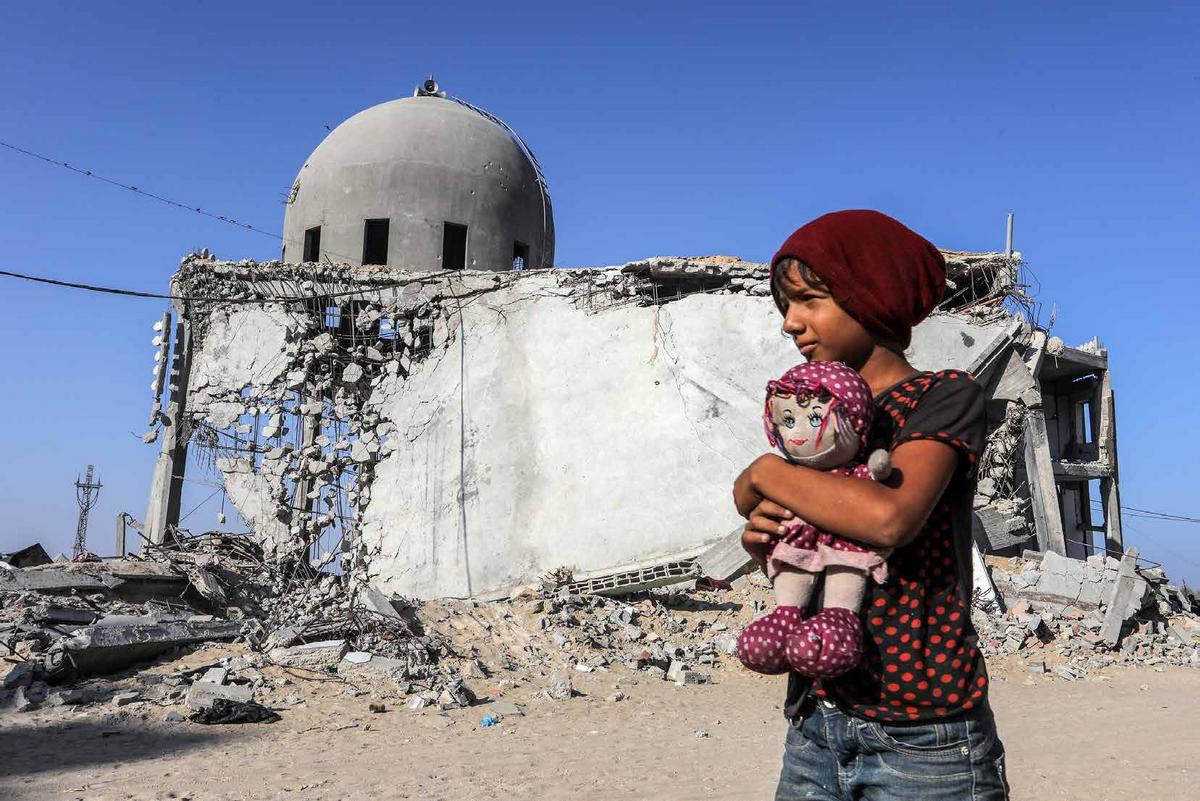
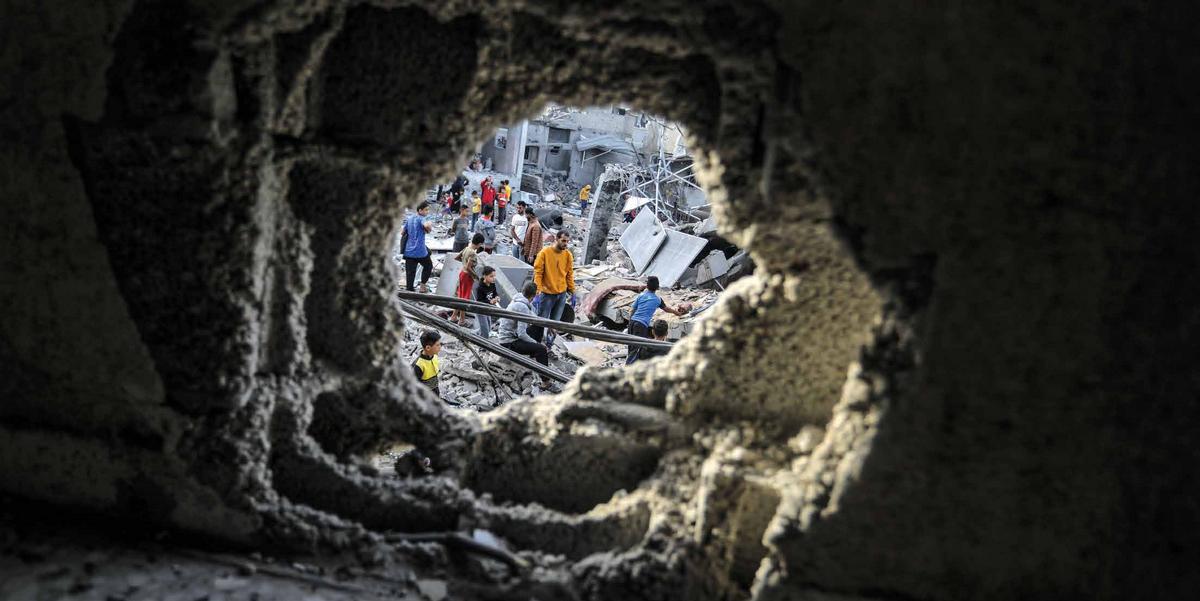
The psychological toll is profound. The daily exposure to horrific scenes of children being slaughtered creates an overwhelming sense of tension and emotional outbursts. We witness buildings collapsing on their residents. All this affects the journalist and the photojournalist.
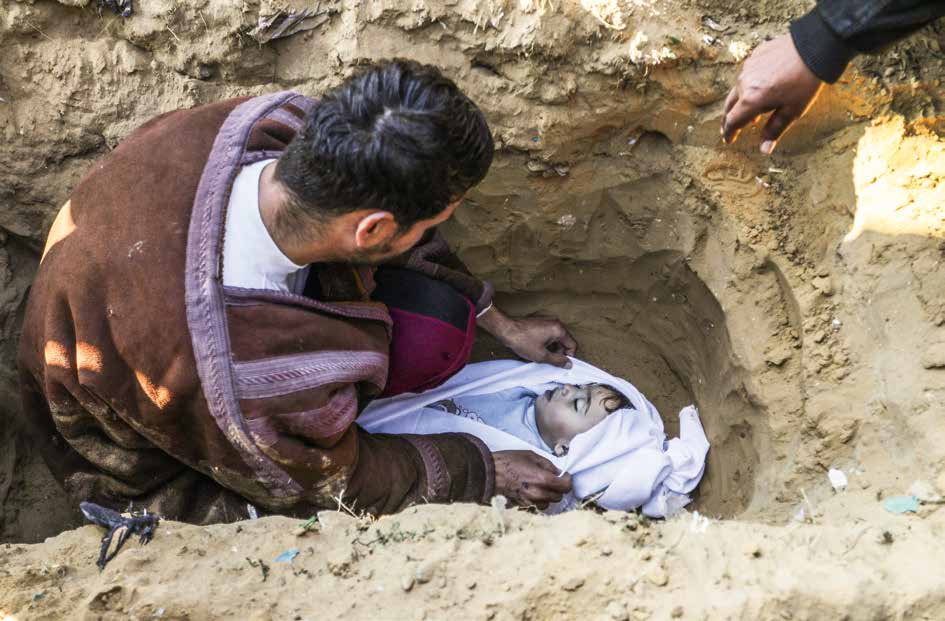
Do you plan to undergo psychological treatment or consider leaving the profession after departing Gaza?
Of course, if we do leave the Gaza Strip, if we do leave the Gaza Strip...
In such a scenario, psychological treatment becomes crucial. Such treatment offers a pathway out of the environment of distress and psychological tension, providing much-needed psychological comfort. Therefore, every journalist who gets to witness such scenes on a daily basis must be in a very bad psychological state and will therefore receive or need psychological treatment.
The notion of quitting my profession has never crossed my mind even fleetingly; it is entirely out of the question, and, God willing, it will remain so.
And our colleague Ali Jadallah. May God help him; I wish God’s mercy on his brothers, his father and all the martyrs. I am very sorry about what happened to our colleague Ali Jadallah. He is not only a colleague but also a valued friend, brother and companion.
Regrettably, I don’t perceive a significant response from the international community, nor do I believe there has been a profound impact in the global society due to what happened to our brother Ali Jadallah, our friend. While it’s possible for people to resonate with a sense of shared sorrow and express sympathy for our brother Ali, the reality remains that even in the face of such losses, and there seems to be little that can halt this bloodshed. The power to put an end to this violence lies solely in the will of our Lord.